What Are the Different Types of High-Quality Hot Melt Adhesive?
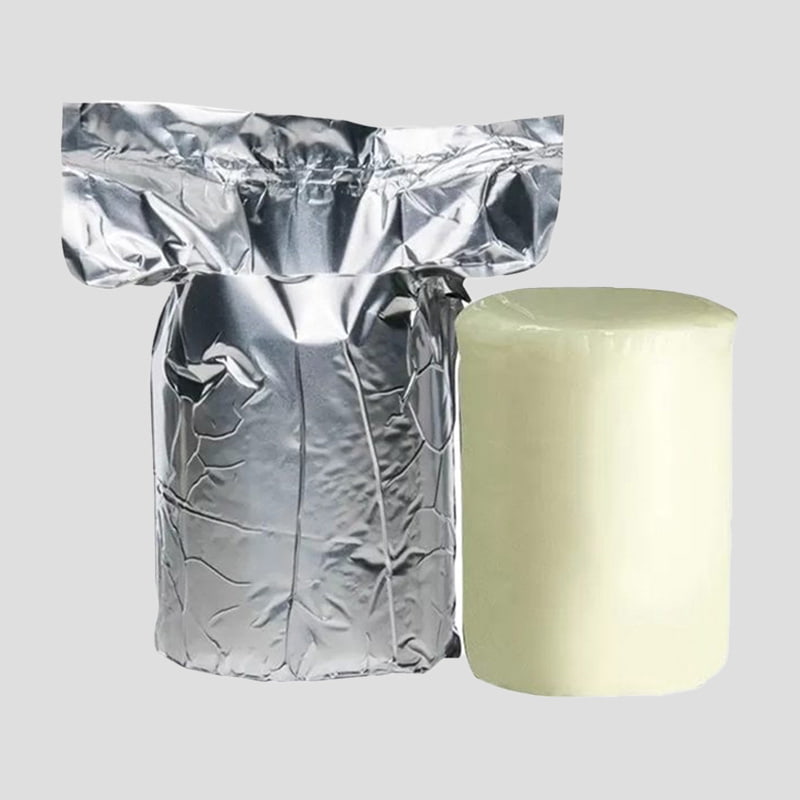
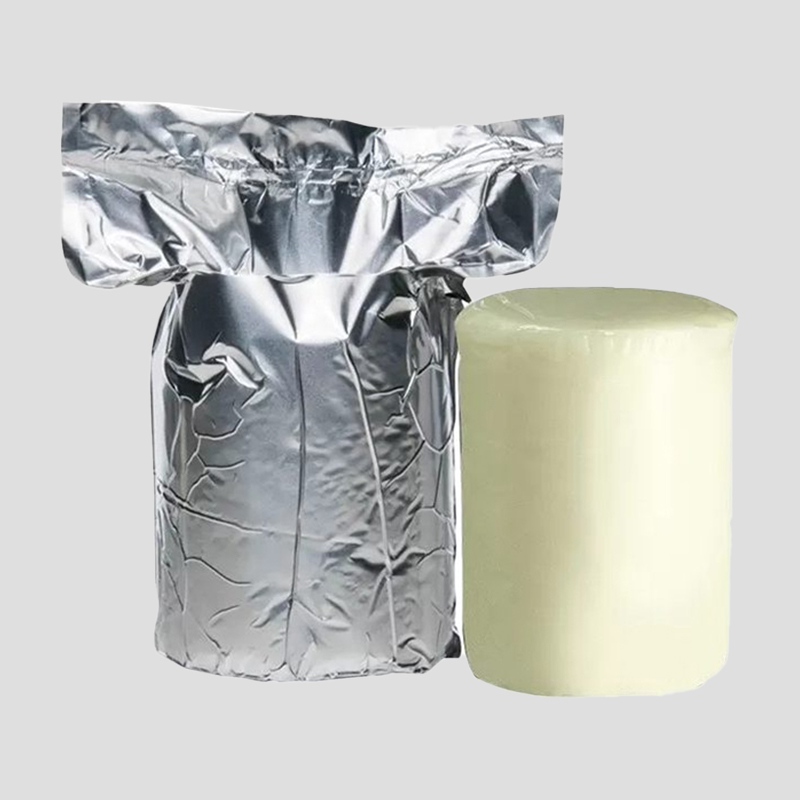
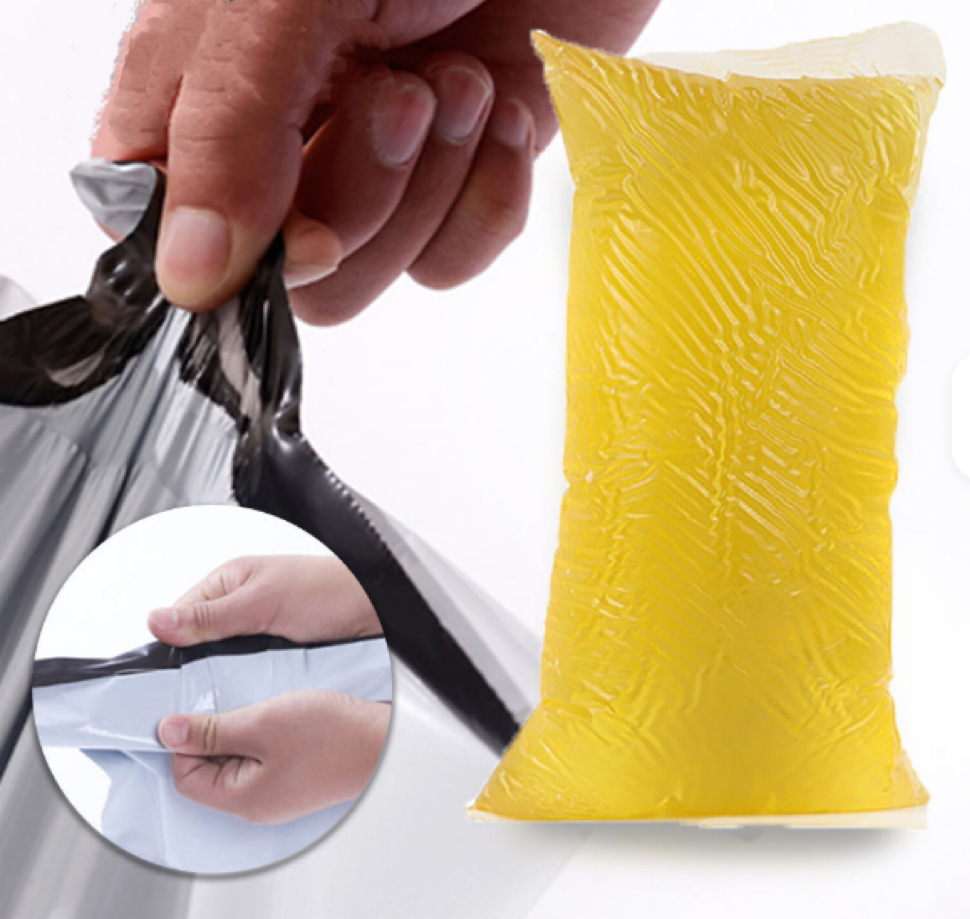
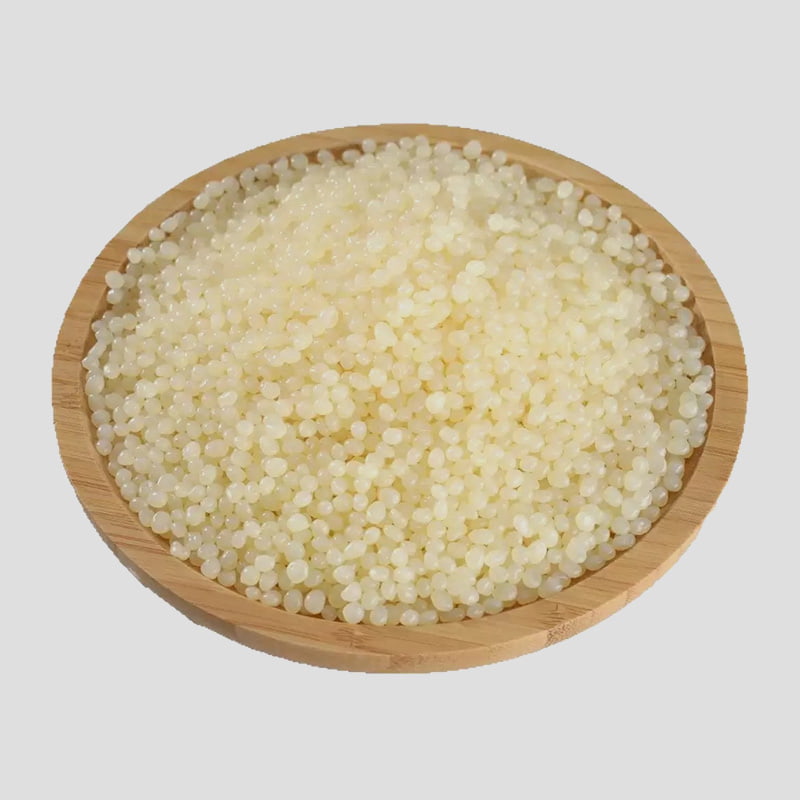
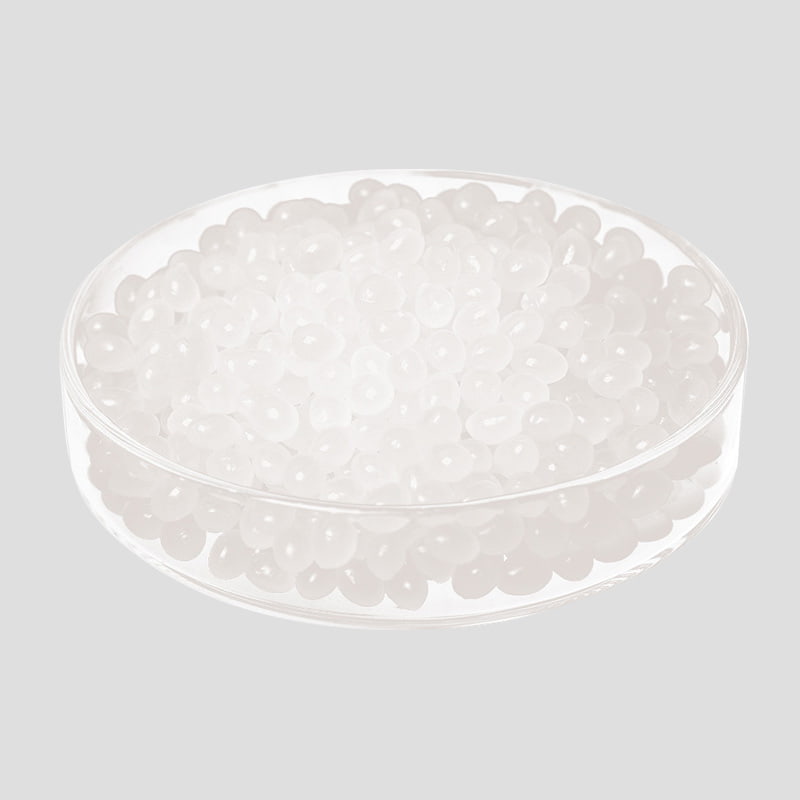
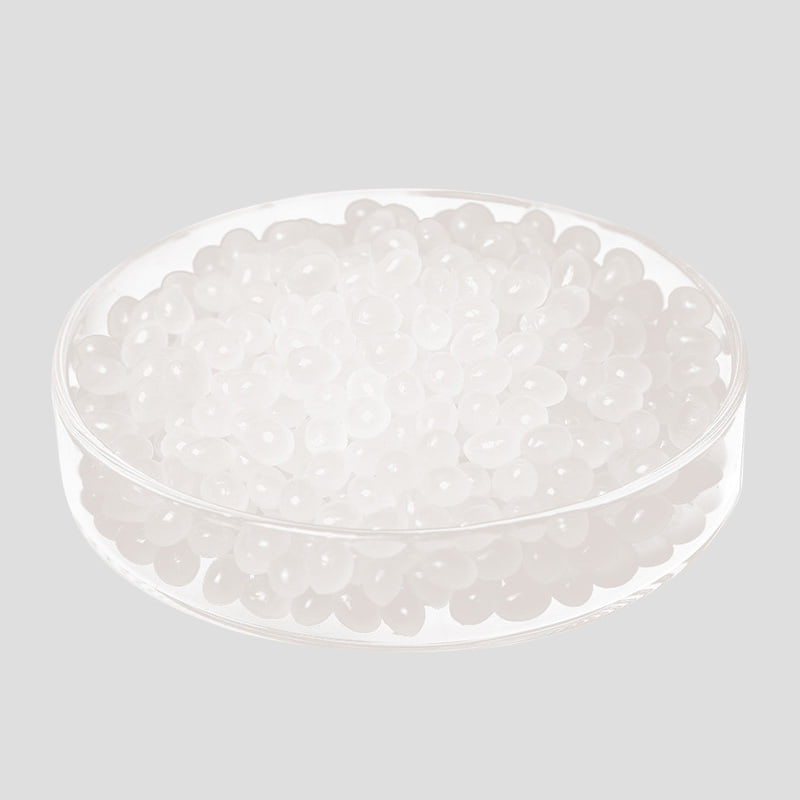
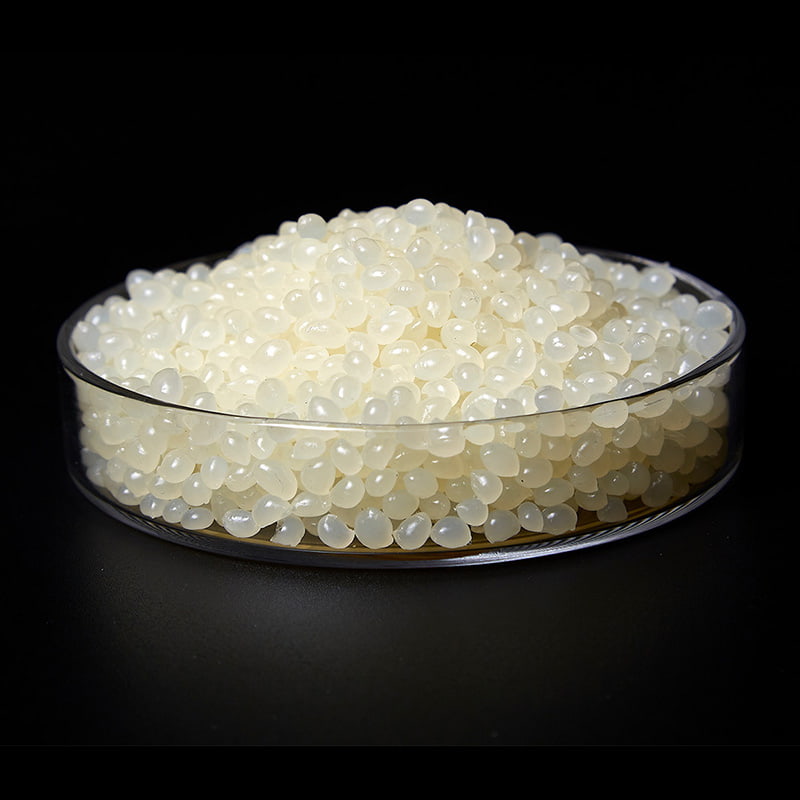
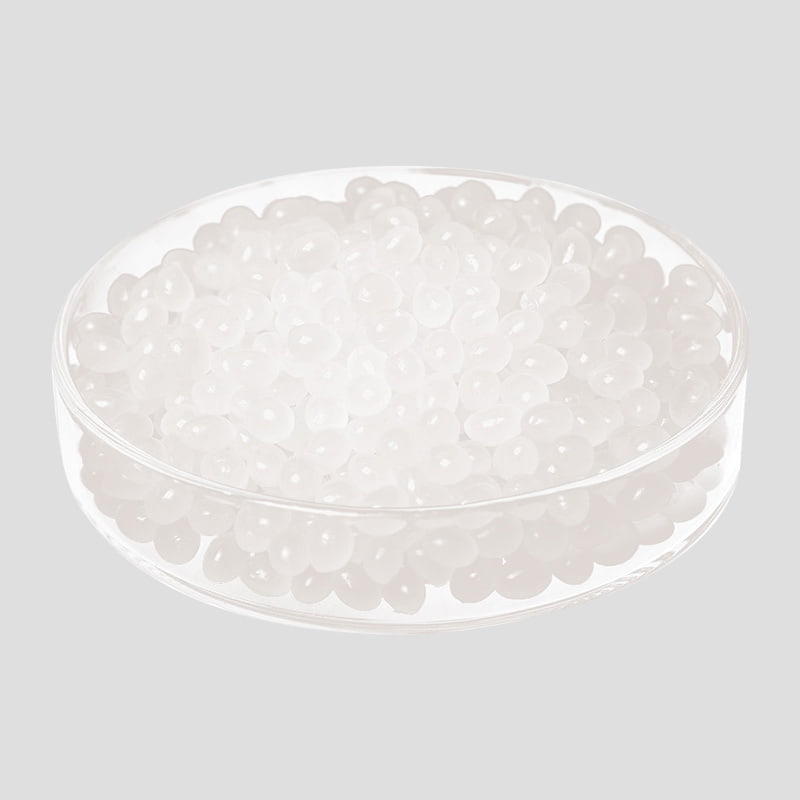
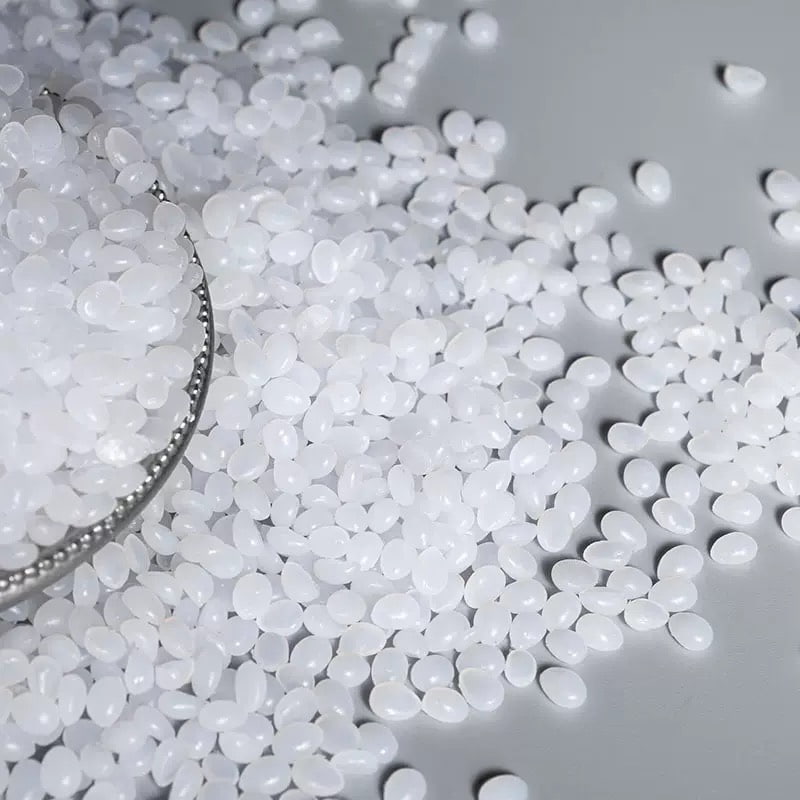
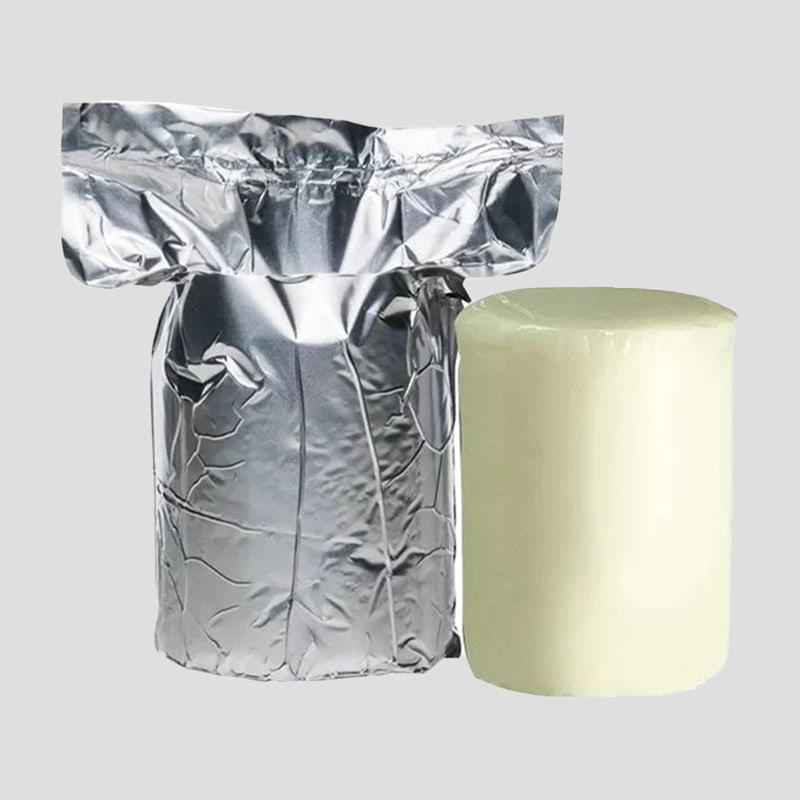
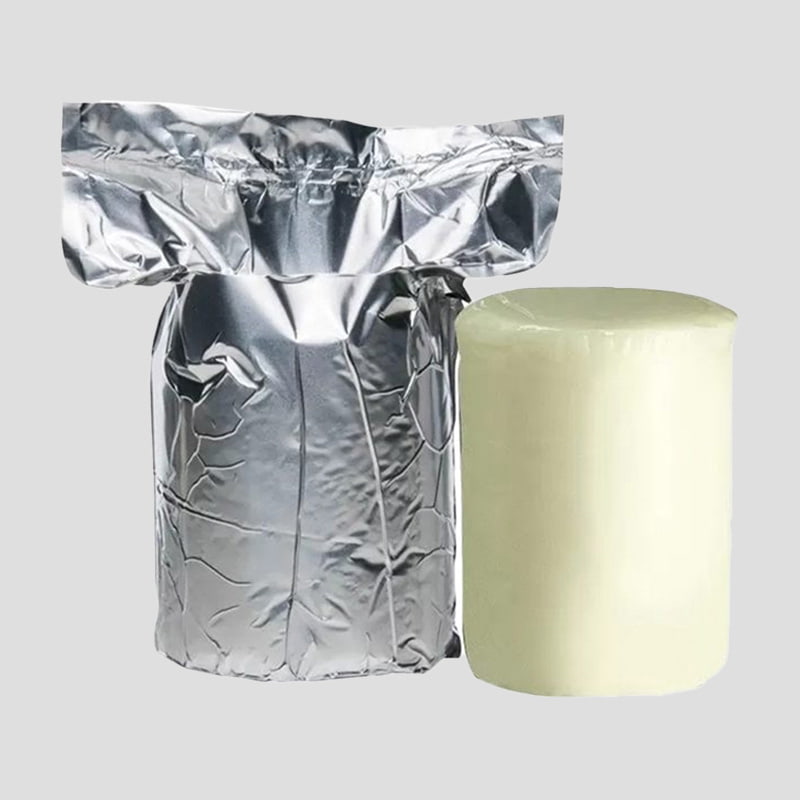
High-quality hot melt adhesives are thermoplastic materials that become liquid when heated and solidify as they cool. Different formulations are designed to meet specific bonding needs, materials, and working environments. Choosing the correct type helps improve efficiency, bond strength, and long-term stability.
One of the common types is EVA (Ethylene Vinyl Acetate) hot melt adhesive. EVA-based adhesives are widely used in packaging, bookbinding, and simple assembly tasks. They offer good flexibility, moderate heat resistance, and cost efficiency, making them suitable for general-purpose applications.
Polyolefin (PO) hot melt adhesives are often selected for higher performance needs. They provide improved heat resistance, better aging properties, and lower odor during application. These characteristics make them popular in food packaging and hygiene product manufacturing.
Polyamide (PA) hot melt adhesives are known for their strong bonding ability and resistance to oils, chemicals, and high temperatures. They are commonly used in automotive, electronics, and filter assembly, where durability is more important than cost.
Another important category is PUR (Polyurethane Reactive) hot melt adhesives. Unlike standard hot melts, PUR adhesives react with moisture in the air after cooling, forming a very strong and durable bond. They are often used in woodworking, edge banding, and high-end product assembly.
|
Type
|
Key Features
|
Common Applications
|
|
EVA
|
Cost-effective, flexible, easy to use
|
Packaging, bookbinding
|
|
Polyolefin
|
Low odor, good heat resistance
|
Food packaging, hygiene products
|
|
Polyamide
|
High strength, chemical resistance
|
Automotive, electronics
|
|
PUR
|
Very strong, moisture-reactive
|
Woodworking, furniture
|
Hot Melt Glue Gun: Are You Using It Correctly?
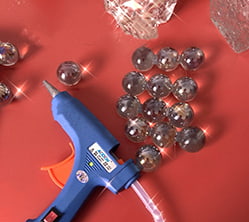
Hot melt glue guns are widely used because they are simple and versatile, but incorrect use can reduce bonding quality or shorten tool life. Reviewing basic usage habits can make a noticeable difference.
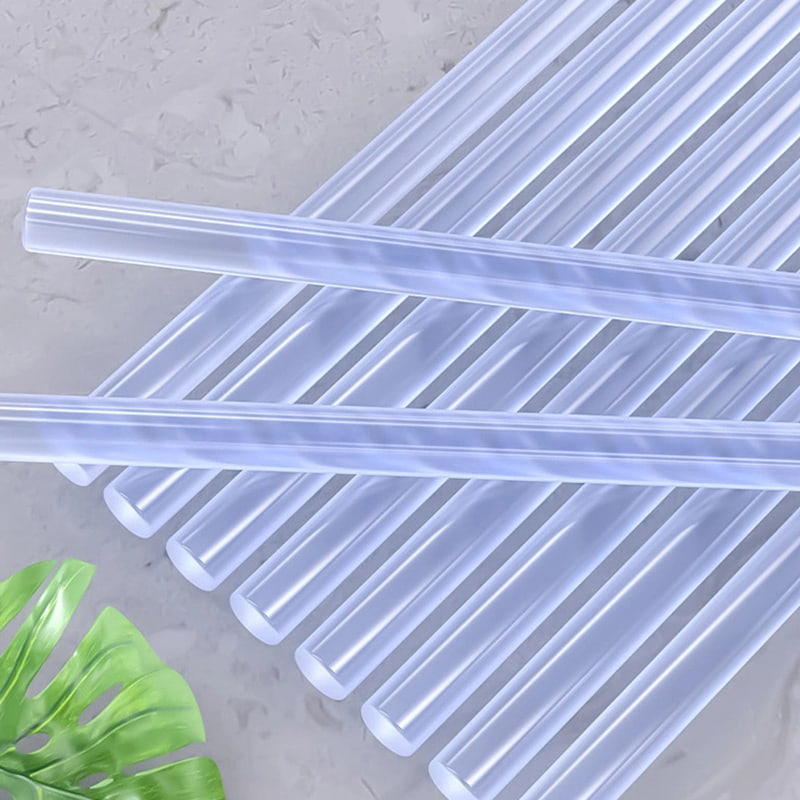
Choose the correct glue stick
Not all glue sticks are the same. Always match the adhesive type and diameter to your glue gun and application. Using an incompatible stick can poor flow or weak bonding.
Allow sufficient warm-up time
A glue gun needs time to reach its proper operating temperature. Applying adhesive too early may result in uneven flow and reduced adhesion.
Apply adhesive evenly
Smooth and controlled pressure on the trigger helps deliver a consistent bead of adhesive. Uneven application can create weak points in the bond.
Bond parts promptly
Hot melt adhesives set quickly as they cool. Align and press parts together immediately after application to ensure proper contact.
Avoid excessive adhesive use
More glue does not always mean a stronger bond. Excess adhesive can increase cooling time and create messy joints without improving performance.
Practice basic safety measures
Glue guns operate at high temperatures. Keeping fingers away from the nozzle and placing the gun on a stable stand when not in use reduces the risk of burns.
What Maintenance Is Required for a Hot Melt Adhesive Machine?
Regular maintenance of a hot melt adhesive machine ensures stable operation, consistent adhesive output, and reduced downtime. Maintenance tasks can be grouped into three main areas.
1. Cleaning and Residue Management
Adhesive residue can build up inside tanks, hoses, and nozzles over time. Periodic cleaning helps prevent blockages and uneven flow. Using approved cleaning agents and following manufacturer guidelines is important to avoid damaging internal components.
2. Temperature and System Checks
Hot melt machines rely on precise temperature control. Regularly checking sensors, heaters, and thermostats helps ensure the adhesive is processed within its recommended temperature range. Overheating can degrade adhesive quality, while insufficient heat can cause poor flow.
3. Inspection of Mechanical Components
Pumps, filters, seals, and hoses should be inspected for wear or leakage. Replacing worn parts early reduces the risk of unexpected breakdowns and helps maintain stable adhesive pressure during operation.
Consistent maintenance not only extends machine life but also supports reliable bonding quality across different production cycles.



 English
 中文简体
中文简体