

 English
 中文简体
中文简体
Author: Jie Chuang
Date: Jan 23, 2026
Are Automotive Interiors Driving a New Wave of Adhesive Innovation?
As global automotive manufacturing continues to evolve toward lightweight design, improved cabin comfort, and enhanced production efficiency, adhesive technology is playing a more visible role than ever before. On overseas automotive supply chain forums and professional social media platforms, manufacturers and engineers increasingly discuss bonding materials as critical contributors to interior quality and assembly reliability. Within these conversations, Granular Hot Melt Adhesive is frequently highlighted as manufacturers seek practical, production-friendly solutions that support modern automotive requirements.

Automotive Interior Design Trends Raising New Expectations
Modern vehicle interiors are designed to be quieter, lighter, and more visually refined. Soft-touch panels, decorative films, insulation layers, and composite materials are widely used to improve passenger experience.
These design trends place higher demands on bonding materials, as adhesives must deliver stable performance without compromising appearance or material integrity. Overseas discussions often emphasize the importance of adhesives that support clean application and consistent bonding across complex interior structures.
Adhesives as a Key Component in Lightweight Construction
Lightweight construction remains a major topic in global automotive manufacturing. Replacing mechanical fasteners with adhesive bonding helps reduce overall vehicle weight while supporting flexible design.
Manufacturers increasingly favor bonding solutions that integrate smoothly into automated production lines. Adhesives that melt and apply predictably help maintain efficiency while supporting lightweight assembly strategies.
Granular Formats Supporting Automated Production Lines
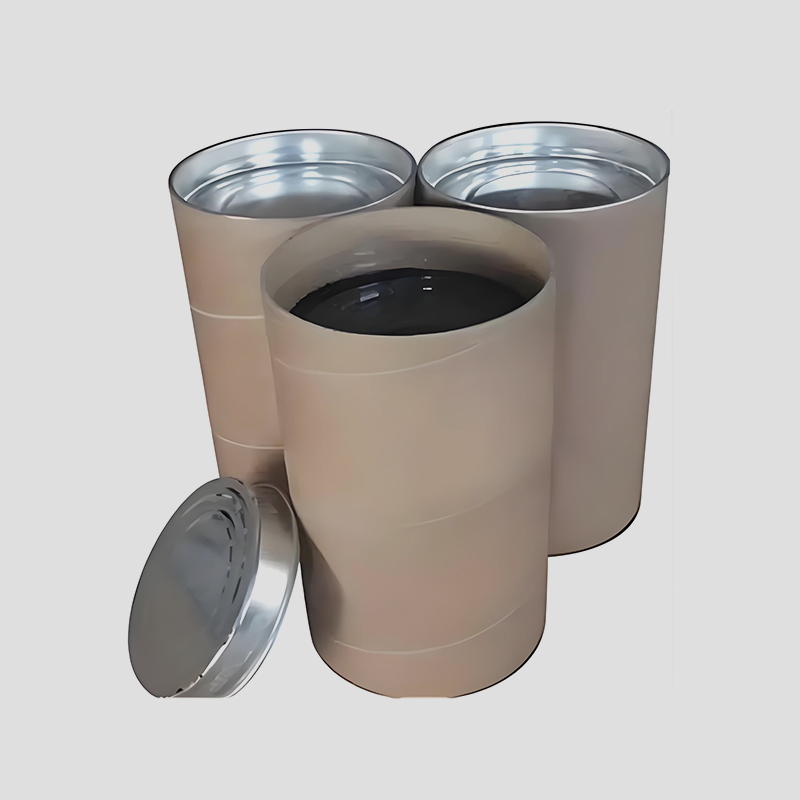
In automotive environments, process stability is essential. Granular adhesive formats are often discussed for their ease of feeding, controlled melting behavior, and clean handling characteristics.
These advantages support continuous operation and help reduce production interruptions, making granular hot melt solutions particularly suitable for high-volume interior component assembly.
Performance Stability Under Variable Conditions
Automotive interiors are exposed to changing temperatures, humidity levels, and mechanical stress throughout a vehicle’s lifecycle. Overseas buyers frequently discuss how bonding materials must maintain integrity under these variable conditions.
Adhesives that provide stable bonding over time contribute to reduced noise, improved durability, and overall product reliability—factors that directly influence brand perception in international markets.
PUR Adhesives and Enhanced Bond Durability
For more demanding automotive applications, reactive adhesive systems are often associated with improved long-term performance. Discussions among engineers frequently link these systems to stronger resistance against environmental influences.
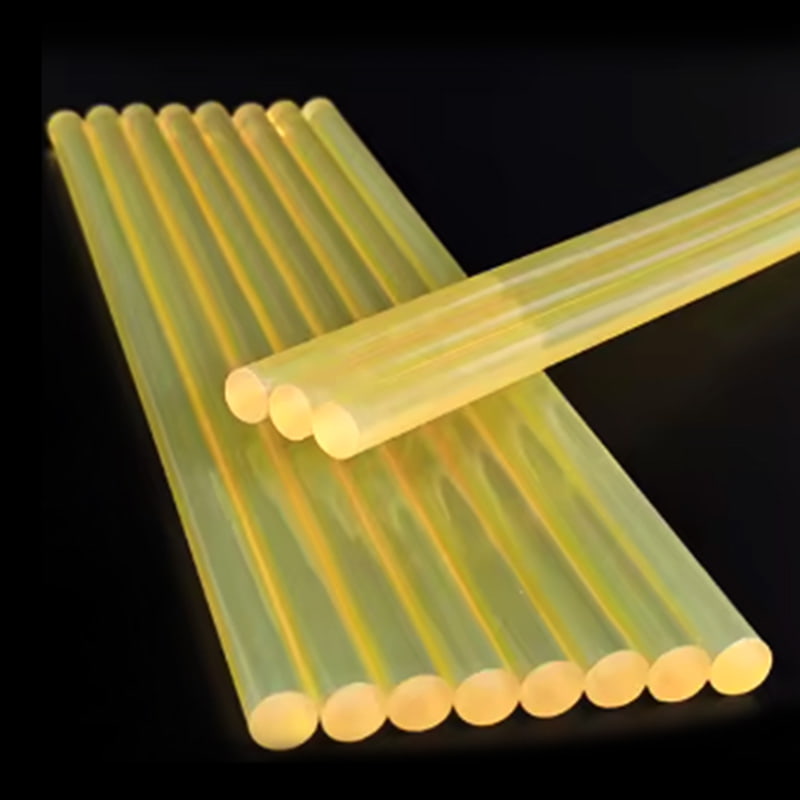
In this context, PUR Hot Melt Adhesive is gaining attention for applications where durability and reliability are prioritized, particularly in composite bonding and interior laminating processes.
Compatibility with Diverse Automotive Materials
Automotive interiors combine a wide range of substrates, including plastics, foams, fabrics, films, and composite panels. Adhesives must perform consistently across these materials without causing deformation or surface issues.
Suppliers that understand material interactions and application conditions are more likely to support successful integration, an aspect often emphasized in overseas sourcing discussions.
Quality Consistency and Risk Reduction
In automotive supply chains, consistency is directly linked to risk management. Adhesive-related issues can lead to costly recalls or production delays.
International buyers value suppliers with stable production processes, predictable product behavior, and clear technical communication. These factors help reduce uncertainty and support long-term cooperation.
Sustainability and Interior Manufacturing Responsibility
Sustainability remains a growing concern in automotive manufacturing. Adhesives that support precise application and reduce material waste align with broader environmental goals.
Long-lasting bonds also contribute to reduced maintenance and replacement needs, supporting responsible production practices without sacrificing performance.
Technical Collaboration as a Competitive Advantage
Beyond material supply, overseas manufacturers increasingly expect technical collaboration. Adjusting parameters such as application temperature or open time can significantly affect interior assembly results.
Suppliers that provide technical insight and responsive support are often seen as strategic partners rather than commodity vendors.
The Future of Adhesives in Automotive Manufacturing
As vehicle design continues to evolve, adhesives will play an even more integrated role in interior assembly and material innovation. Solutions that balance efficiency, durability, and compatibility will remain essential.
Manufacturers that align adhesive development with real-world automotive production needs are better positioned to meet future challenges.
In modern automotive manufacturing, bonding materials are no longer hidden contributors but essential components of quality and reliability. By supporting lightweight design, stable production, and long-term performance, advanced solutions continue to gain recognition across global markets. This trend further highlights the growing relevance of adaptable materials such as PUR Hot Melt Adhesive, which align closely with the evolving expectations of automotive interior manufacturers worldwide.