

 English
 中文简体
中文简体
Author: Jie Chuang
Date: Jan 16, 2026
Is Furniture Manufacturing Pushing Adhesive Technology to a New Level?
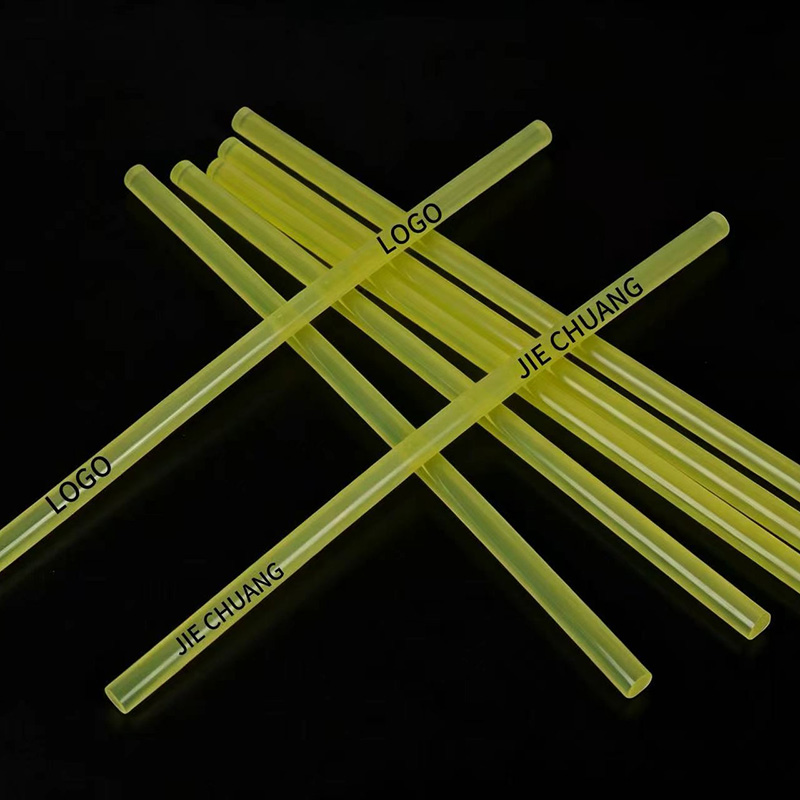
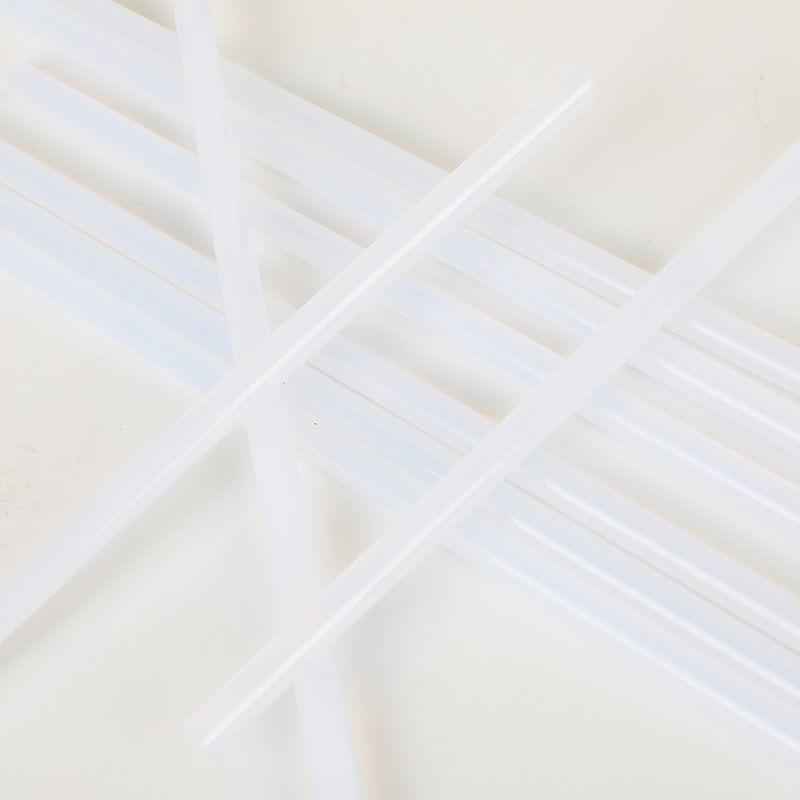
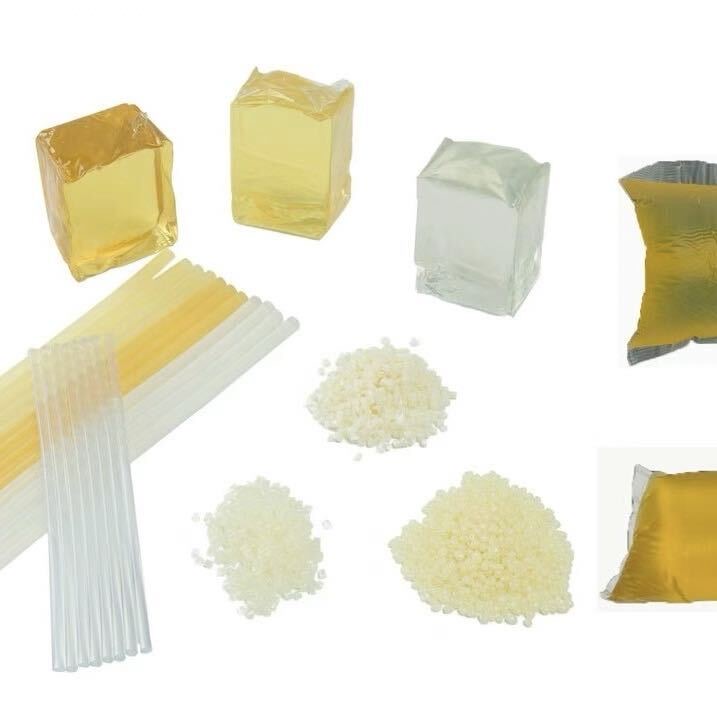
Across global furniture and woodworking industries, manufacturers are re-evaluating how bonding materials influence product quality, production efficiency, and long-term reliability. On overseas professional forums and LinkedIn manufacturing groups, discussions increasingly highlight adhesives as a core element of modern furniture engineering. In this context, Granular Hot Melt Adhesive is frequently mentioned as manufacturers seek solutions that support refined craftsmanship while remaining compatible with automated production lines.
Furniture Design Trends Driving Adhesive Innovation
Modern furniture design emphasizes clean lines, hidden joints, and refined finishes. This aesthetic shift places higher demands on bonding materials, as visible fasteners and uneven seams are no longer acceptable in many markets.
Overseas designers and production managers are discussing how adhesive selection directly affects edge banding quality, panel lamination, and overall surface appearance. Adhesives that apply evenly and cure predictably are increasingly preferred.
Edge Banding and Lamination as Key Application Scenarios
Edge banding remains one of the most discussed topics in woodworking communities. Poor bonding can lead to delamination, visible gaps, or rework, all of which increase production costs.
Manufacturers favor adhesives that support smooth application and stable adhesion during continuous operation. Granular formats are often highlighted for their ease of feeding and controlled melting behavior, which helps maintain consistency across long production runs.
Efficiency and Workflow Stability on the Production Floor
Furniture manufacturers face constant pressure to balance efficiency with quality. Overseas buyers emphasize that adhesives should integrate smoothly into existing machinery without frequent adjustments.
Materials that melt evenly and apply cleanly help reduce downtime and support predictable workflows. This operational stability is a key factor influencing purchasing decisions, especially for export-oriented furniture factories.
PUR Adhesives Supporting Long-Term Performance Expectations
As furniture products are expected to perform well in varied climates and usage environments, long-term bonding stability has become a central concern. Overseas discussions often link reactive adhesive systems with improved resistance to humidity and temperature variation.
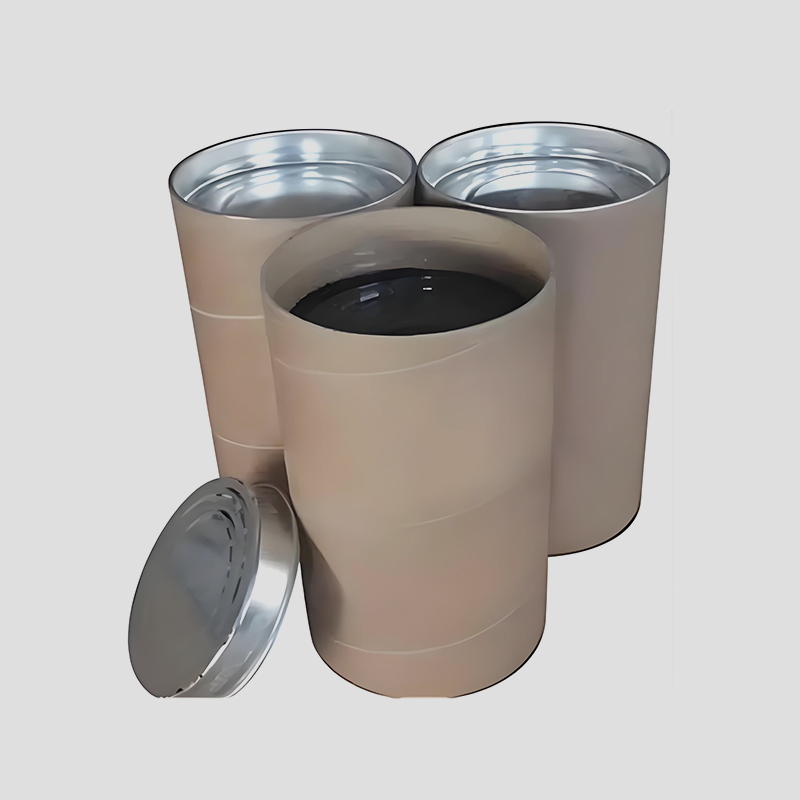
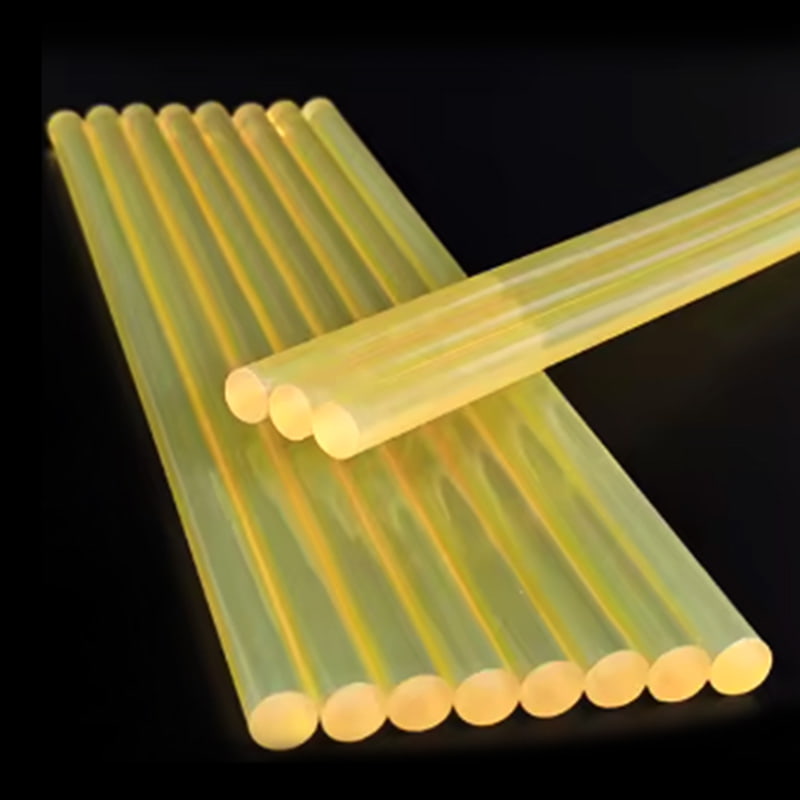
For applications where durability is essential, PUR Hot Melt Adhesive is increasingly associated with enhanced bonding reliability, making it suitable for high-end furniture and demanding interior applications.
Material Compatibility and Design Flexibility
Furniture manufacturers work with a wide range of substrates, including wood-based panels, laminates, veneers, and decorative films. Adhesives must be compatible with these materials without compromising appearance or performance.
Suppliers that understand material behavior and application conditions are better positioned to support flexible design requirements, a factor often emphasized in international sourcing conversations.
Quality Consistency and Brand Reputation
In overseas markets, furniture brands are highly sensitive to product consistency. Adhesive-related failures can impact brand reputation and lead to costly returns or warranty claims.
Manufacturers increasingly seek adhesive partners that deliver stable quality and predictable performance, supporting confidence in long-term production planning.
Sustainability and Responsible Furniture Production
Sustainability remains an important topic in global furniture manufacturing. While aesthetics and performance remain priorities, buyers are also considering how materials contribute to responsible production.
Adhesives that support efficient application and reduce waste align well with sustainability goals, helping manufacturers balance performance with environmental awareness.
Technical Support as Part of the Value Proposition
Beyond the adhesive itself, overseas buyers value suppliers who offer technical insight and application guidance. Adjusting parameters such as open time or application temperature can significantly affect final results.
Manufacturers that provide this level of support are often seen as partners rather than simple material suppliers.
Digital Knowledge Sharing Influencing Buyer Decisions
Online resources, including process guides and application discussions, play an increasing role in how buyers evaluate adhesive options. Overseas manufacturers actively seek information that helps them optimize production outcomes.
Clear communication and educational content help build trust and attract more qualified inquiries.
The Future of Adhesives in Furniture Manufacturing
As furniture production becomes more automated and design-driven, adhesives will continue to play a critical role behind the scenes. Materials that combine performance stability with process compatibility will remain in demand.
Manufacturers that adapt adhesive solutions to evolving furniture trends are better positioned to grow alongside their customers.
In modern furniture manufacturing, bonding materials are no longer secondary considerations but essential contributors to product quality and efficiency. By supporting refined design, stable production, and long-term performance, advanced solutions continue to gain attention across international markets. This ongoing shift highlights the growing relevance of adaptable materials such as PUR Hot Melt Adhesive, which align well with the evolving expectations of global furniture manufacturers.