

 English
 中文简体
中文简体
Author: Jie Chuang
Date: Jan 28, 2026
Is the Construction Industry Redefining Bonding Standards for Modern Projects?
As global construction projects move toward faster installation, improved insulation performance, and cleaner job sites, bonding materials are becoming an increasingly discussed topic across overseas professional communities. On international construction forums and LinkedIn groups, contractors and material engineers are paying closer attention to how adhesives influence installation efficiency and long-term structural stability. Within these conversations, Granular Hot Melt Adhesive is frequently mentioned as construction professionals seek materials that support controlled application and dependable bonding across diverse building environments.
Changing Construction Methods and Material Demands
Modern construction is evolving beyond traditional mechanical fastening. Lightweight panels, insulation boards, decorative laminates, and composite materials are widely used to improve energy efficiency and design flexibility.
These materials require bonding solutions that provide secure adhesion without damaging substrates. Overseas discussions often highlight the importance of adhesives that integrate smoothly into modern construction workflows while supporting clean and precise installation.
Insulation Systems Driving Adhesive Innovation
Thermal and acoustic insulation remains a key focus in global building projects. Insulation panels and layered systems rely on stable bonding to maintain performance over time.
Construction professionals emphasize that adhesives must hold materials firmly in place while accommodating minor movement caused by temperature changes. Adhesives that apply evenly and maintain bonding integrity contribute to improved insulation reliability and reduced maintenance needs.
Granular Adhesive Formats Supporting Job-Site Efficiency
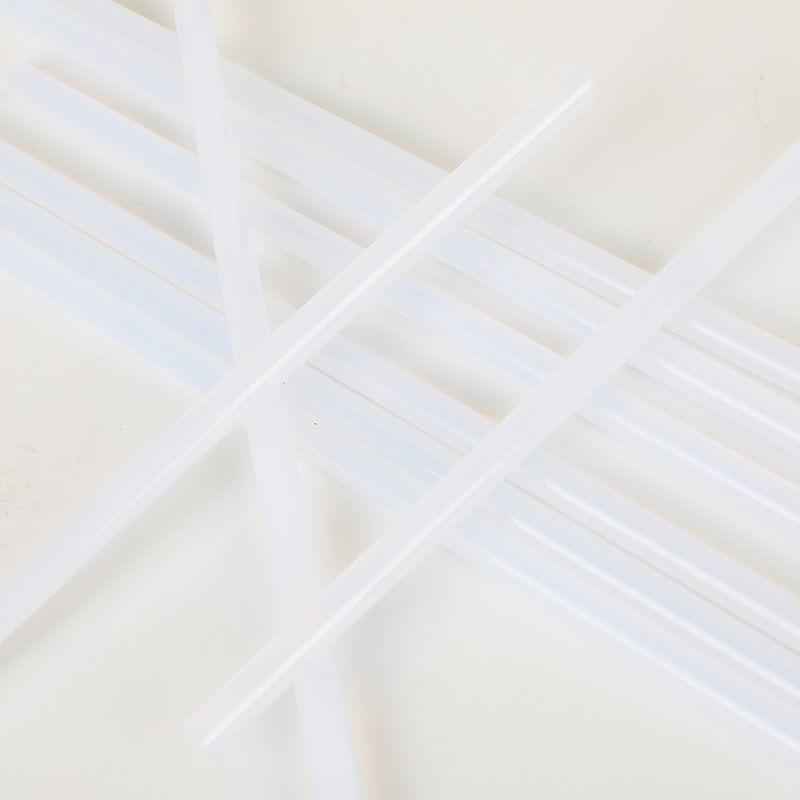
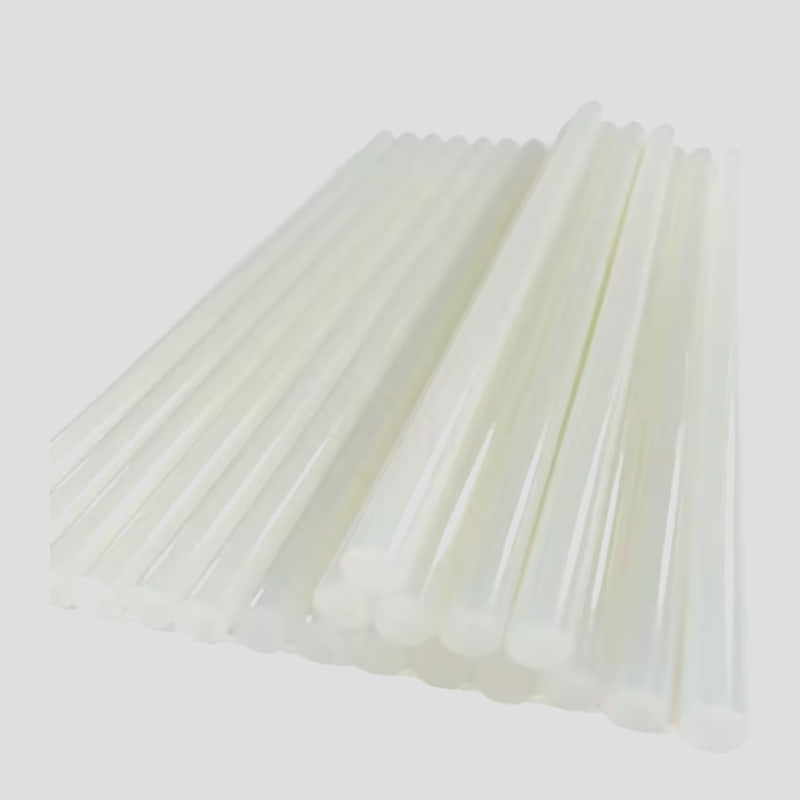
On construction sites, ease of handling and application control are critical. Granular adhesive formats are often discussed for their practicality, as they allow controlled feeding and predictable melting behavior.
This format supports cleaner application and helps reduce material waste, making it suitable for both factory-prefabricated components and on-site assembly processes.
Performance Stability Under Environmental Exposure
Buildings are exposed to changing weather conditions, including temperature variation and humidity. Overseas buyers frequently discuss the need for bonding materials that maintain performance despite environmental stress.
Adhesives that deliver consistent bonding strength over time help ensure structural reliability and reduce the risk of material separation, which is especially important for insulation and interior finishing applications.
Reactive Adhesives and Long-Term Construction Reliability
For applications where durability is critical, reactive adhesive technologies are increasingly discussed in overseas construction circles. These systems are often associated with improved resistance to environmental influences.
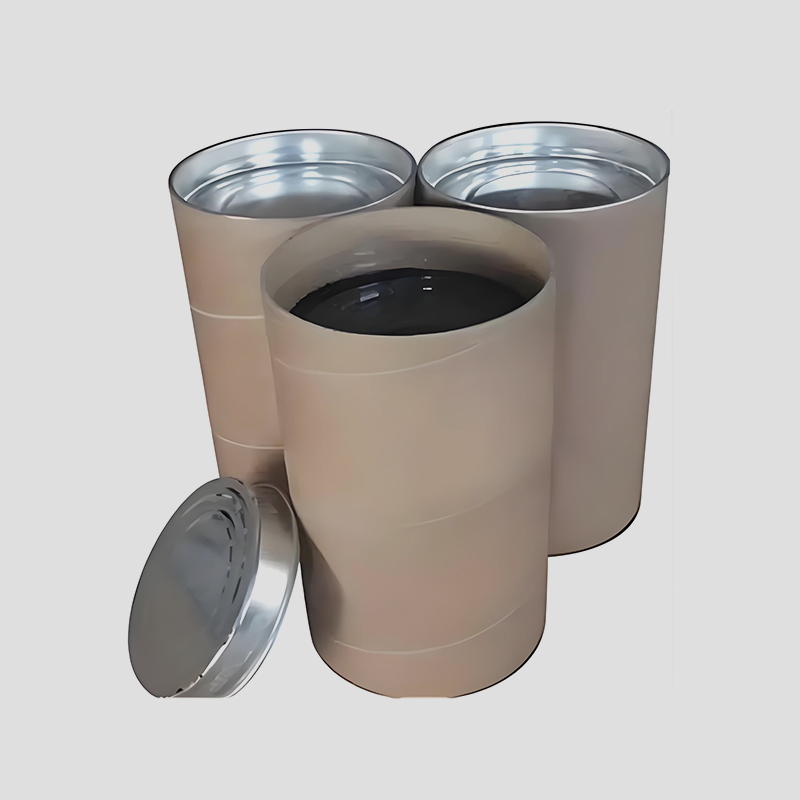
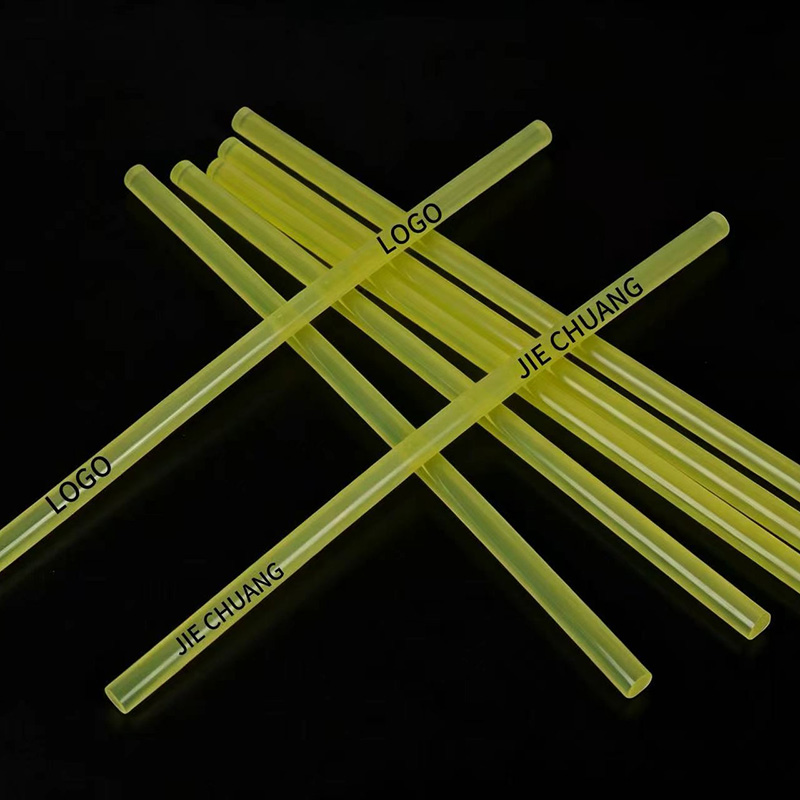
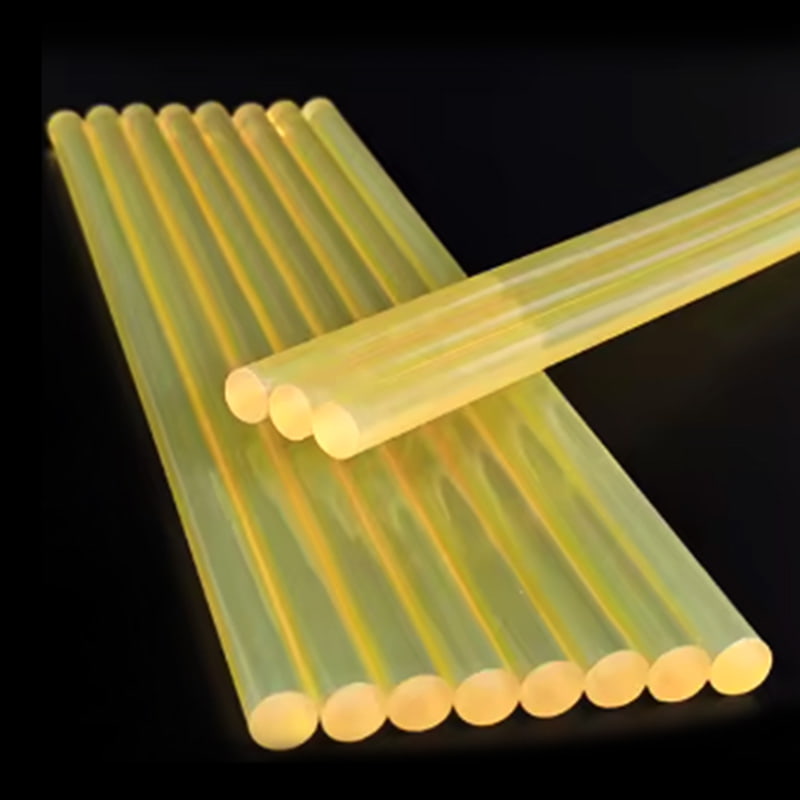
In this context, PUR Hot Melt Adhesive is gaining recognition for applications that require enhanced bonding stability, supporting long-term performance in demanding building environments.
Compatibility with Modern Construction Materials
Construction projects involve a wide range of materials, including metal panels, insulation foams, wood-based boards, and decorative surfaces. Adhesives must bond effectively without causing deformation or surface damage.
Suppliers that understand material interactions and provide application guidance are often preferred by overseas buyers seeking reliable and adaptable solutions.
Safety and Clean Application Considerations
Safety is a recurring theme in international construction discussions. Adhesives that allow controlled application help reduce workplace risks and contribute to cleaner job sites.
Clean bonding processes also support better final aesthetics, which is increasingly important for interior architectural finishes and visible installations.
Sustainability and Responsible Building Practices
Sustainability is influencing construction material choices worldwide. Adhesives that support efficient usage and reduce rework align with responsible building practices.
Long-lasting bonds also contribute to reduced material replacement, supporting sustainability goals without compromising performance.
Technical Support and Project Collaboration
Construction professionals often emphasize the value of technical support when selecting bonding materials. Guidance on application conditions and process optimization helps ensure project success.
Suppliers that engage collaboratively with contractors and material manufacturers are more likely to establish long-term partnerships in overseas markets.
The Future of Adhesives in Construction Applications
As construction methods continue to modernize, adhesives will play an increasingly important role in installation efficiency and structural reliability. Materials that balance performance, ease of use, and environmental adaptability will remain in demand.
Manufacturers that align adhesive solutions with real-world construction challenges are well positioned for sustained growth.
In today’s evolving construction landscape, bonding materials are becoming essential contributors to efficiency, safety, and long-term performance. By supporting modern installation methods and reliable material integration, advanced solutions continue to gain attention across global markets. This growing focus further underscores the value of adaptable technologies such as PUR Hot Melt Adhesive, which align with the changing needs of international construction and insulation applications.