

 English
 中文简体
中文简体
Author: Jie Chuang
Date: Feb 06, 2026
Why Are Manufacturers Shifting Toward Advanced Hot Melt Adhesives in Production?
In many manufacturing sectors, bonding solutions are no longer treated as minor consumables. Adhesives now influence production stability, product durability, and overall manufacturing efficiency. As materials and assembly methods continue to evolve, High Viscosity Hot Melt Adhesive is receiving increased attention from overseas manufacturers who require precise control, reliable bonding, and consistent application performance. These changing expectations are driving deeper conversations about how adhesives contribute to long-term product quality rather than short-term assembly convenience.
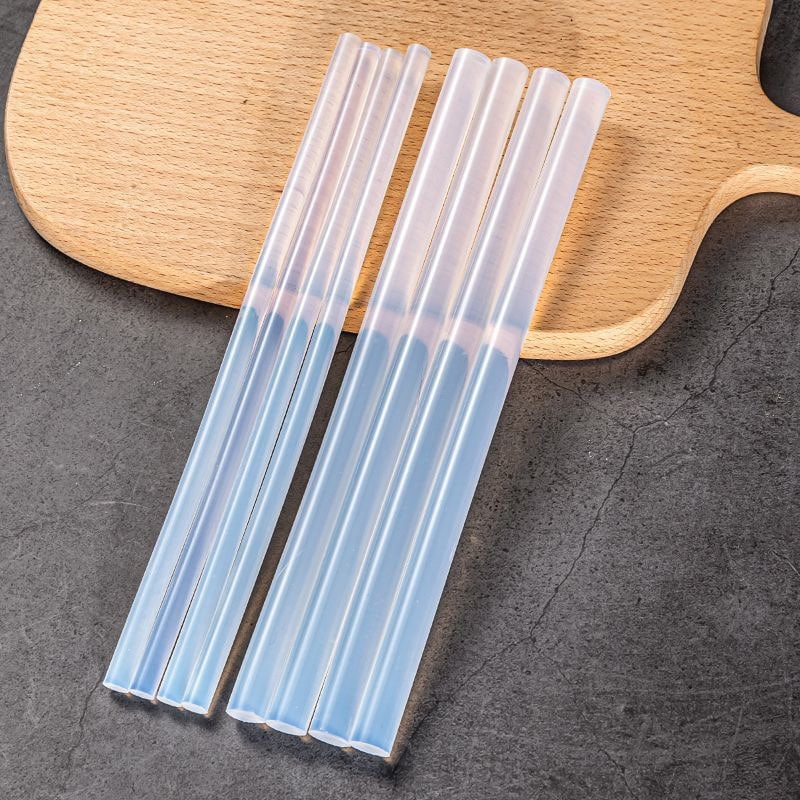
Production Environments Are Becoming More Complex
Modern manufacturing involves a wider variety of substrates than ever before. Engineered panels, coated surfaces, composites, and mixed materials are now common in furniture, packaging, automotive interiors, and industrial components. These materials demand adhesives that can adapt to uneven surfaces and varying bonding conditions while maintaining consistent results.
Why Viscosity Plays a Critical Role in Bonding Quality
Viscosity directly affects how adhesive behaves during application. Higher-viscosity formulations offer greater control, particularly when bonding vertical surfaces or filling small gaps. Manufacturers often prefer this stability because it reduces unintended flow and helps maintain clean bonding lines, which is especially important for visible or precision-assembled components.
User Expectations Are Shaped by Real Production Experience
Across international manufacturing communities, professionals frequently share practical insights rather than theoretical specifications. Topics such as adhesive handling, consistency during long production runs, and ease of equipment compatibility are common discussion points. These real-world experiences influence how buyers evaluate adhesive solutions and select long-term suppliers.
Application Areas Driving Demand for Hot Melt Adhesives
Manufacturers are increasingly selecting high-viscosity and reactive hot melt solutions for a range of applications, including:
- Structural bonding in furniture and interior components
- Edge banding and surface finishing
- Assembly of packaging that requires shape retention
- Automotive interior parts and trim elements
- Industrial laminating and composite assembly
These applications highlight the need for adhesives that support both functional performance and visual quality.
Manufacturer Perspective: Consistency Is Not Optional
From a manufacturing standpoint, adhesive reliability depends on controlled formulation and stable production processes. Raw material selection, blending accuracy, and batch consistency all influence how an adhesive performs on the production line. Maintaining these standards ensures that overseas customers receive predictable results, even when scaling production or switching application environments.
Balancing Open Time and Production Flow
One common concern among manufacturers is achieving the right balance between workable open time and efficient setting behavior. Adhesives must allow enough time for positioning while supporting smooth workflow progression. High-viscosity hot melt formulations are often favored because they provide controlled application without unnecessary delays when properly engineered.
Why Reactive Hot Melt Technology Is Gaining Attention
Reactive systems have become an important topic in manufacturing discussions due to their ability to deliver durable bonding over time. These adhesives are valued for their adaptability across different materials and their contribution to long-term product integrity. This makes them particularly suitable for products that must maintain performance throughout extended use cycles.
Key Considerations When Selecting Adhesive Solutions
When evaluating bonding materials, overseas manufacturers often focus on practical performance factors such as:
- Application stability during continuous operation
- Compatibility with existing equipment and processes
- Clean handling with minimal residue
- Reliable bonding across different substrates
- Clear technical communication from the manufacturer
These elements help reduce uncertainty and support efficient production planning.
Supply Stability Supports Long-Term Manufacturing Plans
For international buyers, stable supply is essential. Manufacturers depend on consistent specifications to avoid recalibration or process adjustments. Adhesive producers who maintain controlled production systems and clear documentation help customers plan confidently and reduce operational risk.
Responsible Manufacturing Is Becoming Part of the Conversation
While performance remains the primary requirement, many buyers are also interested in responsible production practices. Efficient material use, controlled waste generation, and transparent manufacturing processes contribute to a more sustainable production environment without compromising bonding performance.
Adhesives as Strategic Production Components
As manufacturing continues to evolve, adhesives are increasingly recognized as strategic contributors to product performance. Solutions that combine controlled application behavior with long-term bonding reliability help manufacturers meet higher expectations across diverse industries. Products designed with these principles in mind—such as PUR Hot Melt Adhesive—play an important role in supporting modern production requirements.