

 English
 中文简体
中文简体
Author: Jie Chuang
Date: Feb 13, 2026
How Are Furniture and Packaging Industries Redefining Adhesive Performance Standards?
In global manufacturing, furniture and packaging industries are undergoing visible transformation. Design expectations are rising, materials are becoming more diverse, and production processes are increasingly streamlined. In this context, High Viscosity Hot Melt Adhesive is drawing attention as manufacturers seek bonding solutions that offer greater control, cleaner application, and dependable performance across varied production environments. Adhesives are no longer seen as supporting materials, but as integral components that influence both efficiency and product integrity.
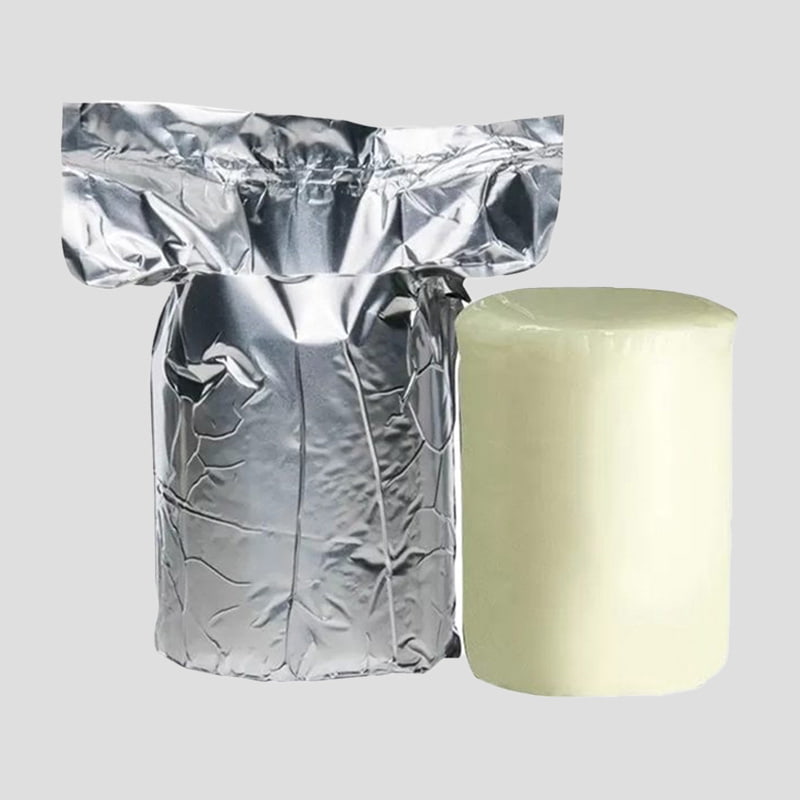
Furniture Manufacturing Is Moving Toward Precision Assembly
Modern furniture production emphasizes refined appearance and structural reliability. As designs incorporate mixed materials such as engineered wood, laminates, textiles, and decorative surfaces, bonding accuracy becomes essential. Adhesives must provide stable application without excessive flow, helping manufacturers maintain alignment and surface quality during assembly.
Why Viscosity Matters in Furniture Bonding
Higher-viscosity formulations are often preferred in furniture applications where clean bonding lines and gap-filling capability are required. Controlled flow allows operators to apply adhesive precisely, reducing the risk of seepage that could affect visible surfaces. This level of control supports both craftsmanship and scalable manufacturing.
Packaging Design Is Becoming More Functional and Durable
Packaging is no longer limited to protection during transport. Brand presentation, structural stability, and material efficiency are increasingly important. Manufacturers are adopting bonding solutions that can support these goals while fitting into fast-paced production lines.
Hot Melt Adhesives in Advanced Packaging Applications
High-viscosity hot melt adhesives are frequently used in packaging structures that require shape retention and reliable bonding. From rigid cartons to specialty packaging formats, these adhesives help maintain integrity without compromising production speed or appearance.
Shared Industry Requirements Across Applications
Despite differences between furniture and packaging sectors, manufacturers often seek similar adhesive characteristics, including:
- Stable application behavior during continuous operation
- Clean bonding with reduced excess material
- Compatibility with a range of substrates
- Predictable setting behavior
- Consistent performance across production batches
These shared needs reflect a broader shift toward efficiency and reliability in manufacturing.
Manufacturer Insight: Adhesive Quality Is Built into the Process
From a manufacturer’s perspective, adhesive performance is the result of controlled formulation and disciplined production management. Material balance, processing conditions, and quality checks all influence how an adhesive behaves in real applications. Consistency across batches is especially important for overseas customers who rely on repeat orders and standardized processes.
Managing Application Conditions in Real Production Lines
Manufacturing environments are rarely static. Temperature variation, equipment differences, and operator handling can all affect adhesive performance. High-viscosity formulations help minimize variability by maintaining stable behavior under changing conditions, offering manufacturers greater confidence during daily operations.
Why Reactive Systems Are Discussed More Frequently
Reactive hot melt technologies have become an important topic in both furniture and packaging industries. These systems are valued for their ability to support durable bonds over time while accommodating different material combinations. Their adaptability makes them suitable for manufacturers looking to unify bonding solutions across multiple product lines.
Decision Factors for Adhesive Selection
When choosing adhesive solutions, manufacturers typically evaluate factors such as:
- Application control and cleanliness
- Long-term bond reliability
- Ease of integration into existing equipment
- Technical support and formulation transparency
- Supply consistency and production stability
These considerations influence not only initial trials but also long-term supplier relationships.
Supporting Scalable Production with Stable Supply
As manufacturers expand production capacity or introduce new product ranges, consistency becomes increasingly important. Adhesive suppliers who maintain stable formulations and clear documentation help reduce adjustment time and support smooth scaling across facilities and markets.
Responsible Manufacturing Is Gaining Attention
While performance remains the primary requirement, manufacturers are also discussing efficiency and material responsibility. Optimized adhesive usage and controlled waste contribute to more sustainable operations without compromising bonding quality. This balance reflects evolving expectations across global manufacturing sectors.
Adhesives as Enablers of Modern Manufacturing
Adhesives now play a strategic role in shaping how products are designed and assembled. Solutions that combine controlled application, adaptability, and long-term reliability support innovation across furniture and packaging industries. Products developed with these principles—such as PUR Hot Melt Adhesive—continue to support manufacturers as production standards evolve.