

 English
 中文简体
中文简体
Author: Jie Chuang
Date: Feb 25, 2026
Why Are Manufacturers Re-defining Industrial Bonding Solutions Today?
In recent discussions across global manufacturing communities, High Viscosity Hot Melt Adhesive has become a focal point when companies talk about stability, process control, and long-term production reliability. At the same time, growing interest in PUR Hot Melt Adhesive reflects a broader shift in how manufacturers approach bonding—not as a secondary material, but as a core component of product quality and manufacturing efficiency.
Bonding Materials Are No Longer “Invisible” in Production
For many years, adhesives were treated as background materials—important, but rarely discussed. That mindset has changed. Today, manufacturers recognize that bonding materials directly influence assembly consistency, product lifespan, and even brand reputation. As a manufacturer, we see increasing awareness that adhesive choice affects not only the final product but also the stability of the entire production process. This change in perception is driving more informed conversations between buyers and manufacturers at an earlier stage.
Why High Viscosity Matters from a Manufacturing Perspective
High viscosity is often misunderstood as a simple performance label, but in manufacturing terms, it represents control. A carefully engineered viscosity profile helps ensure predictable flow behavior, uniform application, and reduced waste during production. From our factory experience, consistent viscosity supports smoother automation, minimizes unexpected interruptions, and allows operators to maintain steady production rhythms. These benefits become especially valuable in environments where repeatability and efficiency are priorities rather than constant adjustment.
PUR Technology Reflects a Shift Toward Long-Term Performance
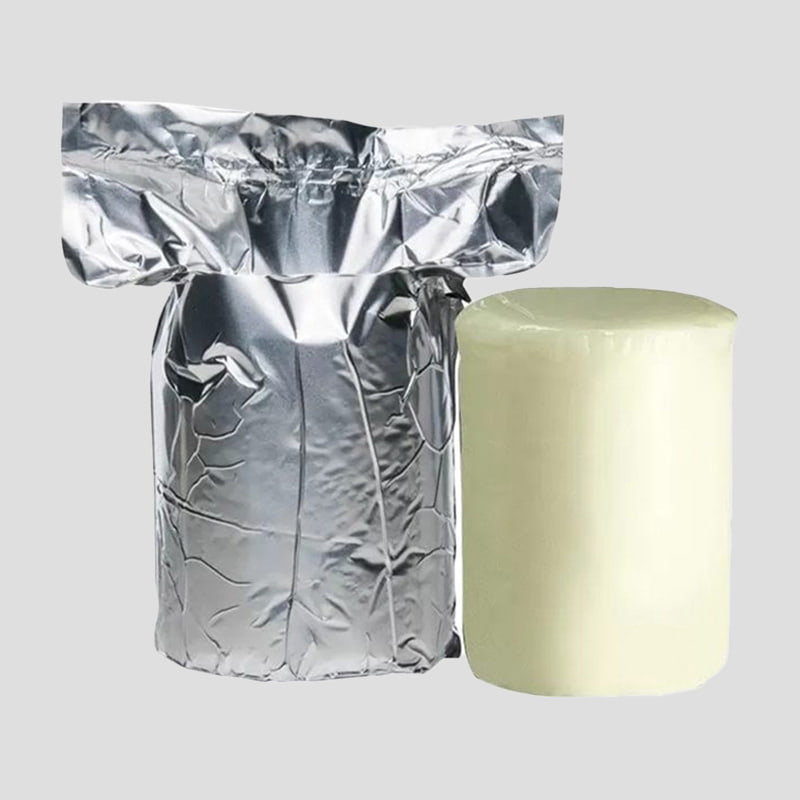
PUR-based systems have gained attention because they align with modern manufacturing priorities: durability, environmental resistance, and long-term bonding stability. From a manufacturer’s viewpoint, PUR Hot Melt Adhesive is not simply about initial bonding strength, but about how that bond behaves over time. Buyers increasingly ask about performance after extended use, exposure to changing conditions, or repeated mechanical stress. These concerns shape how manufacturers design and refine PUR formulations.
Manufacturing Control Is the Foundation of Consistent Adhesives
Consistency does not happen by chance. It is the result of controlled raw material sourcing, standardized processing methods, and continuous internal verification. As manufacturers, we oversee each stage of production, ensuring that every batch reflects the same formulation intent and application behavior. This level of control gives overseas buyers confidence that what they receive today will perform the same way tomorrow, supporting long-term production planning rather than short-term fixes.
How Manufacturer Insight Improves Application Compatibility
Unlike intermediaries, manufacturers gain direct feedback from multiple application environments across industries and regions. Over time, this insight builds a practical understanding of how adhesives interact with different substrates, equipment, and operating conditions. That knowledge is translated into product refinements that improve adaptability without compromising stability. For customers, this means materials that integrate smoothly into existing processes instead of forcing costly adjustments.
What Global Buyers Expect from Adhesive Manufacturers Today
Based on ongoing conversations with international partners, buyers increasingly value manufacturers who can offer more than basic supply. Common expectations include:
- Stable product behavior across long production cycles
- Clear communication about application characteristics
- Manufacturing continuity that supports repeat orders
- Practical guidance grounded in production experience
- A long-term partnership mindset rather than one-time transactions
Meeting these expectations requires manufacturing responsibility, not just product availability.
Manufacturing-Driven Development Shapes the Next Generation of Adhesives
The future of industrial bonding will be shaped by manufacturers who understand real production challenges and respond through controlled development. Rather than chasing short-term trends, manufacturer-led innovation focuses on gradual improvement, material reliability, and compatibility with evolving production systems. This approach ensures that High Viscosity Hot Melt Adhesive and PUR Hot Melt Adhesive continue to meet the practical needs of global manufacturers seeking dependable, factory-backed bonding solutions.