PUR Hot Melt Adhesive: What You Need to Know
PUR hot melt adhesive is a moisture-reactive polyurethane adhesive that is applied in molten form. After application and cooling, it reacts with moisture in the air or bonded materials, forming a strong crosslinked structure. This reaction significantly improves heat resistance, chemical resistance, and bond strength over time.
PUR adhesives go through two stages: physical setting and chemical curing. This makes them suitable for applications requiring long-term performance and resistance to environmental stress.
|
Aspect
|
Description
|
|
Processing method
|
Applied hot, cures with moisture
|
|
Initial setting
|
Fast, similar to standard hot melt
|
|
Final bond strength
|
Increases over time due to chemical reaction
|
|
Heat resistance
|
Higher than EVA or PO hot melts
|
|
Adhesion range
|
Bonds wood, plastics, metals, textiles
|
|
Typical form
|
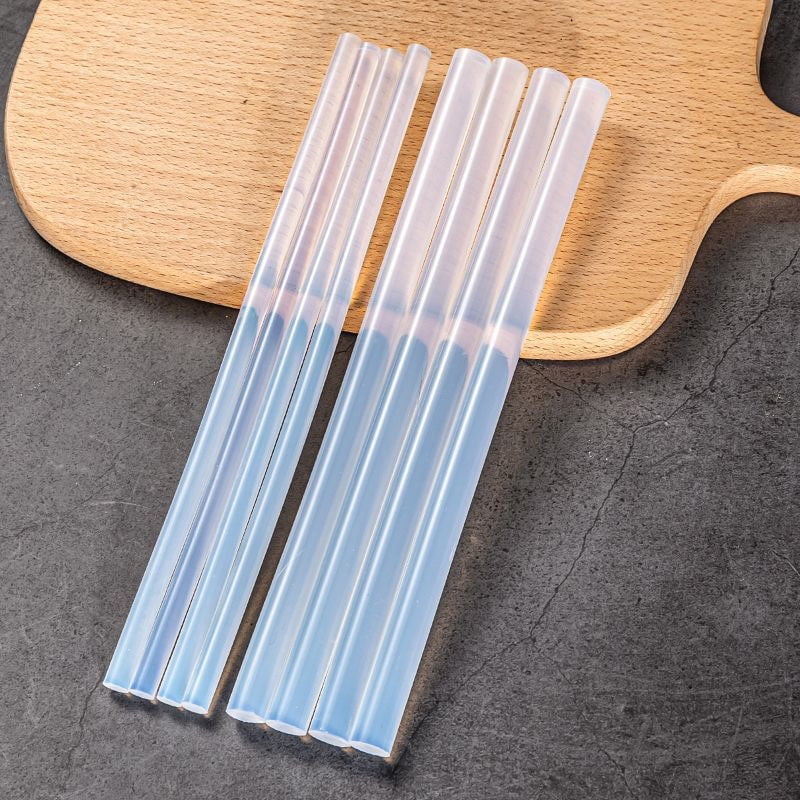
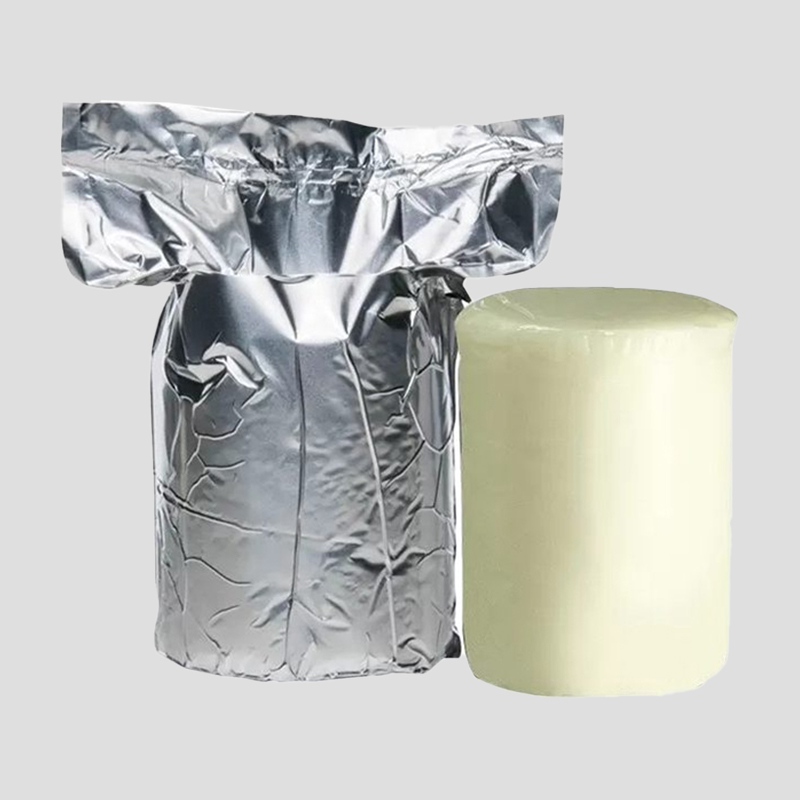
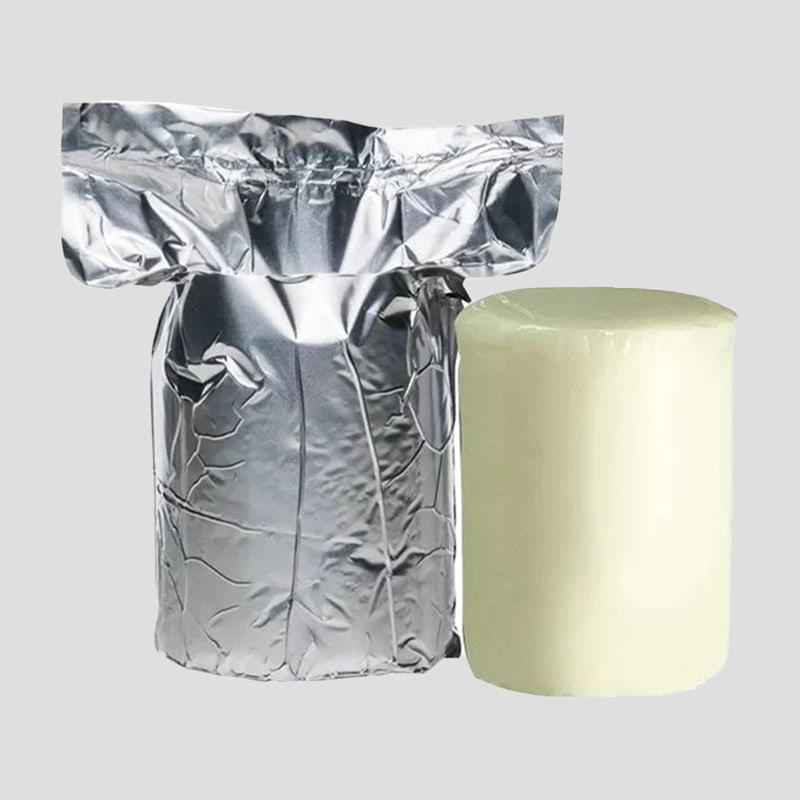
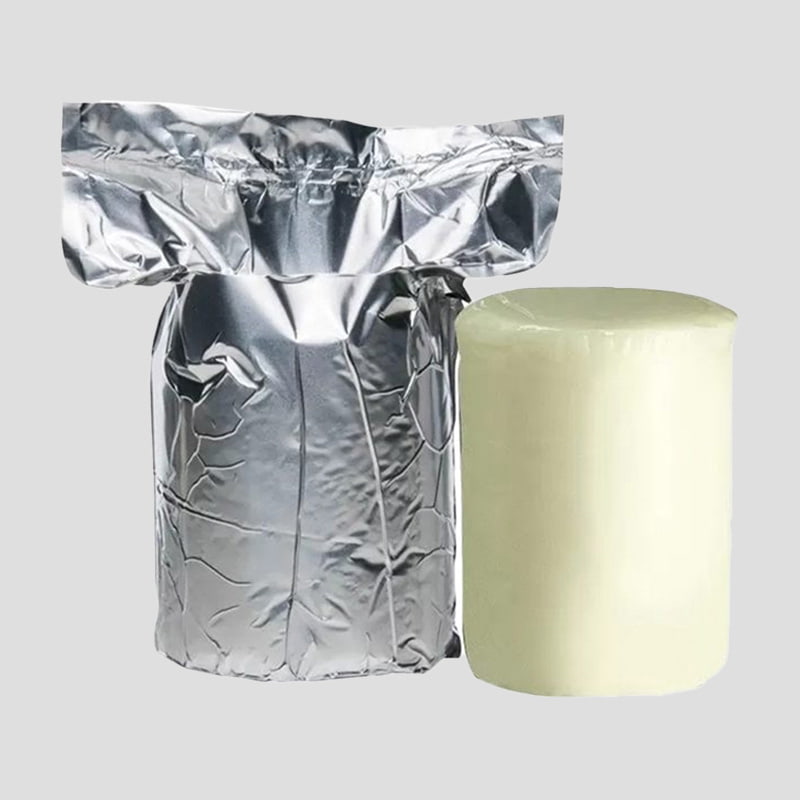
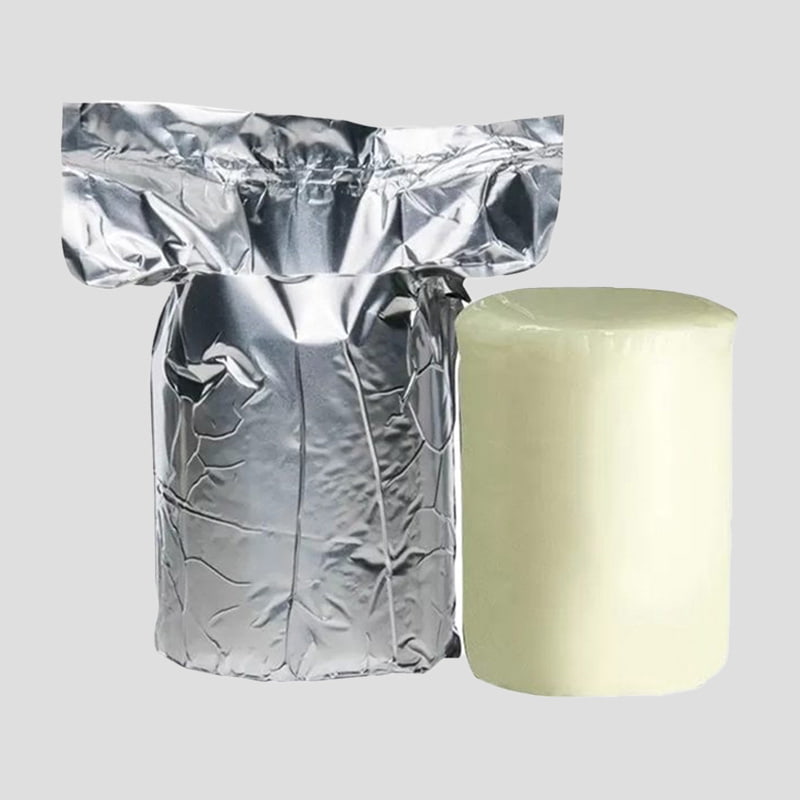
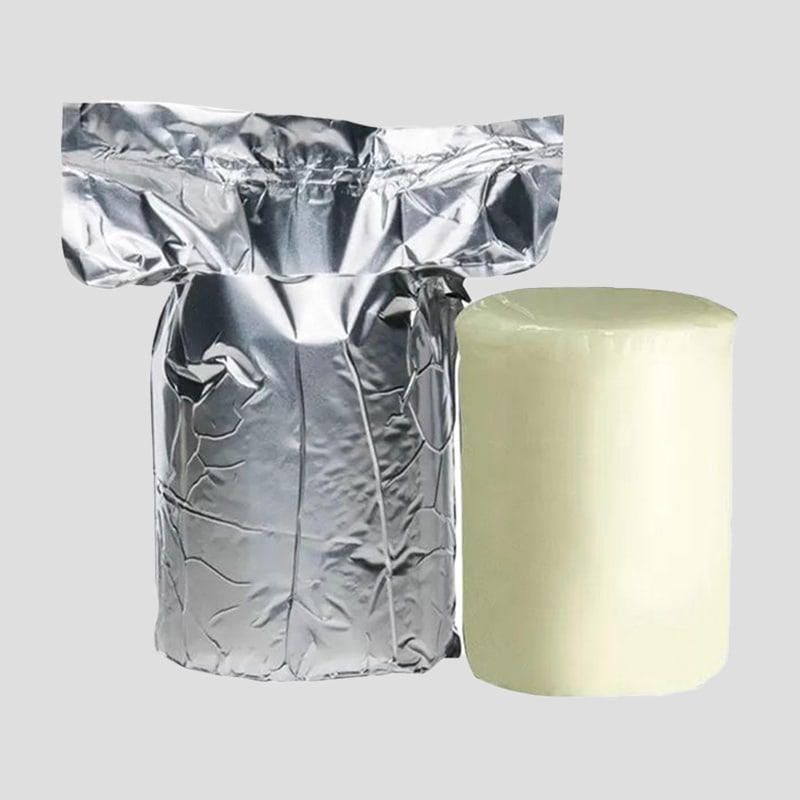
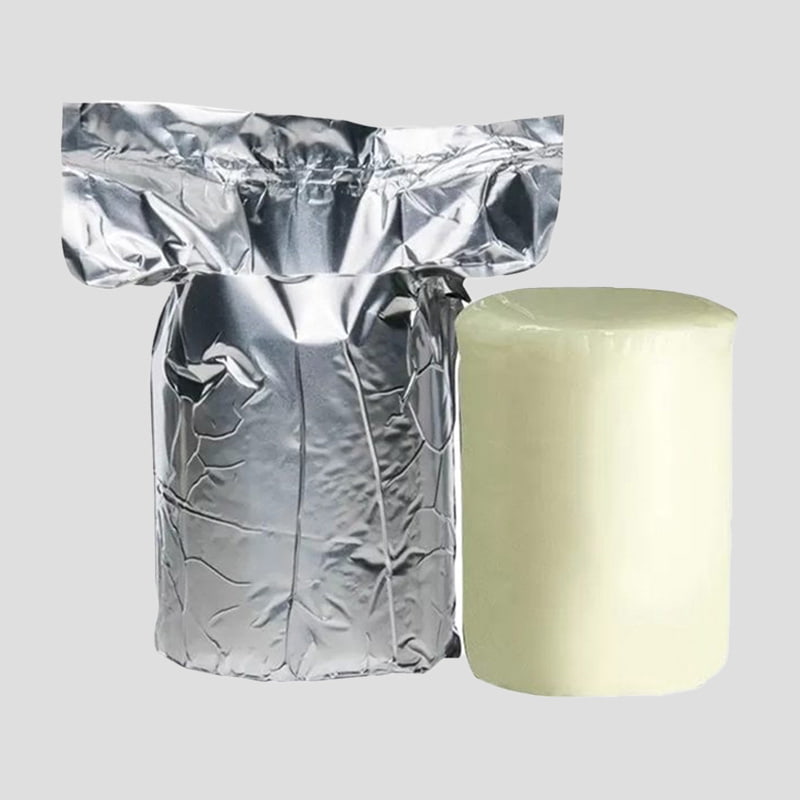
Solid blocks, granules, or cartridges
|
PUR hot melt adhesives are commonly supplied in solid form and melted in dedicated equipment. Because they are moisture-sensitive, proper handling and sealing are essential during storage and use. When applied correctly, PUR adhesives offer a balance of processing efficiency and long-term reliability that few other adhesive types can match.
Advantages and Disadvantages of White PUR Solid Hot Melt Glue
White PUR solid hot melt glue is a popular variant used in furniture, packaging, and assembly applications where appearance and performance both matter. Like any material, it has strengths and limitations that should be considered before selection.
Strong and durable bonding
White PUR hot melt glue forms a chemically crosslinked bond, resulting in high strength and long service life.
Wide material compatibility
It adheres well to wood, paper, plastics, fabrics, and some metals, making it suitable for mixed-material assemblies.
Improved heat and moisture resistance
Compared with conventional hot melt adhesives, PUR offers better resistance to temperature changes and humidity.
Clean and consistent appearance
The white color provides a neat bonding line, which is beneficial for visible joints or edges.
Fast initial handling strength
Components can often be handled or processed shortly after bonding, supporting efficient production.
Higher cost
White PUR hot melt glue is generally more expensive than EVA or polyolefin adhesives.
Special equipment required
PUR adhesives need sealed melting systems to prevent premature reaction with moisture.
Limited open time after melting
Once exposed to air, the adhesive begins reacting, which limits working time if not applied promptly.
More complex maintenance
Equipment cleaning and shutdown procedures require more attention to avoid adhesive curing inside the system.
Storage sensitivity
Solid PUR adhesives must be stored carefully to prevent moisture exposure before use.
What Are Polyurethane PUR Hot Melt Adhesives Typically Used For?
Polyurethane PUR hot melt adhesives are chosen for applications where long-term performance, strength, and environmental resistance are important. One of the common uses is in woodworking and furniture manufacturing. PUR adhesives are widely used for edge banding, panel lamination, and veneer bonding because they provide strong adhesion and maintain performance under heat and humidity.
In packaging applications, PUR hot melt adhesives are used for high-strength carton sealing, specialty packaging, and applications involving coated or difficult-to-bond substrates. Their ability to bond a wide range of materials makes them suitable for complex packaging designs.
Automotive and transportation industries also use PUR hot melt adhesives for interior components, such as trims, insulation materials, and composite parts. The adhesives’ resistance to vibration, heat, and aging supports long-term reliability in these environments.
Another important area is textiles and footwear manufacturing, where PUR adhesives are used for fabric lamination, shoe assembly, and bonding flexible materials. The cured adhesive maintains flexibility while providing durable bonding.
In electronics and appliance assembly, PUR hot melt adhesives are sometimes used to secure components, provide structural bonding, or protect sensitive parts from environmental exposure.
Across these applications, PUR hot melt adhesives offer a combination of efficient processing and high-performance bonding. Their versatility allows manufacturers to meet demanding quality standards while maintaining practical production speeds.



 English
 中文简体
中文简体