

 English
 中文简体
中文简体
Author: Jie Chuang
Date: May 29, 2026
Why Is Your Hot Melt Gun Clogging Often
Unexpected glue gun blockage can stop an entire production line within minutes. Operators often notice unstable glue output, nozzle dripping, carbonized particles, or heavy stringing before the equipment completely shuts down. Our company has worked with many packaging, woodworking, assembly, and labeling customers who faced repeated maintenance caused by clogged hot melt systems.
A common situation involves adhesive residue slowly building inside hoses and nozzles after long heating cycles. Another frequent issue comes from unsuitable adhesive viscosity or contaminated glue materials. Proper adhesive management and stable operating temperature play a major role in reducing these problems.
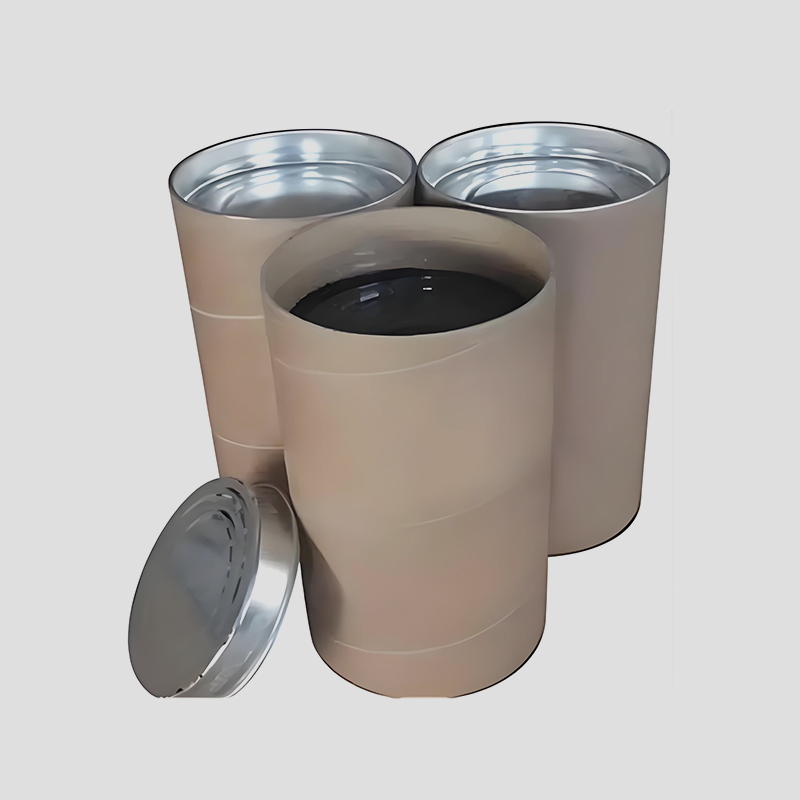
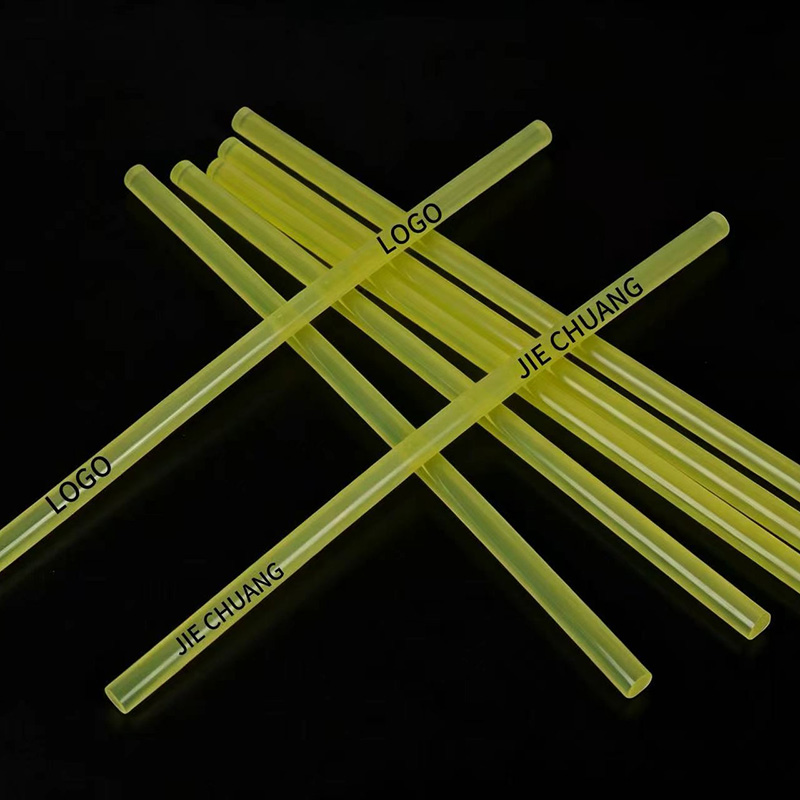
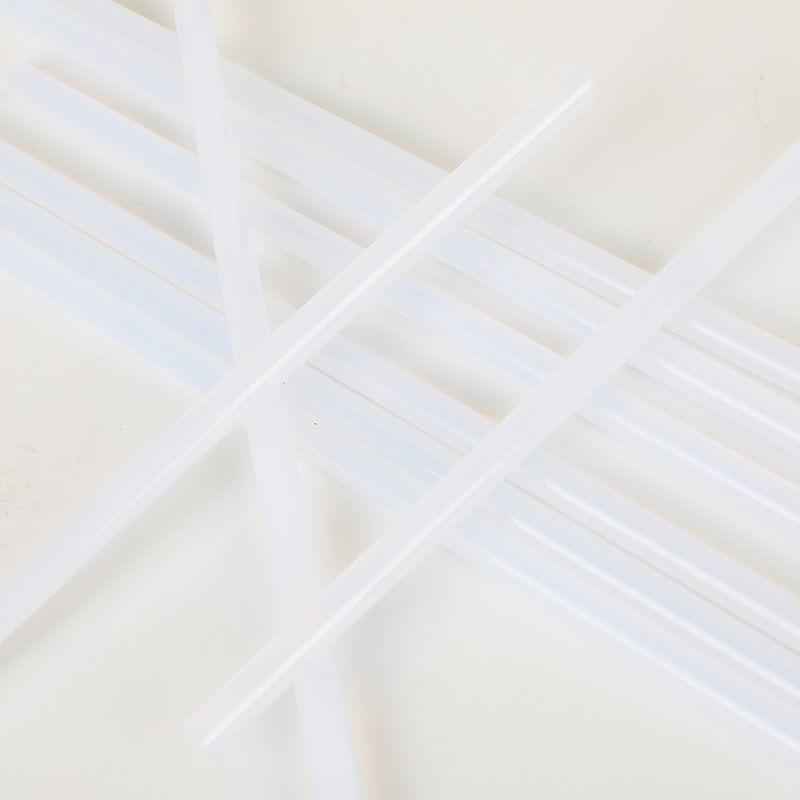
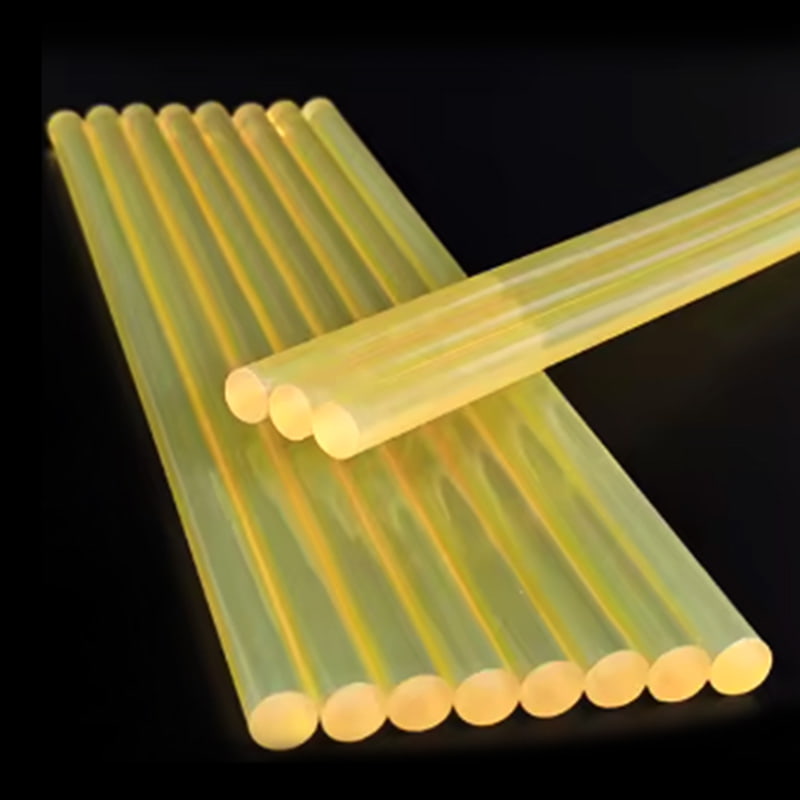
Many factories currently use both Hot Melt Adhesive Block materials and pellet-based formulations during automated dispensing. Some production lines also prefer Granular Hot Melt Adhesive because it melts quickly and supports continuous feeding systems with lower downtime. Different adhesive forms influence melting speed, flow consistency, and carbonization behavior inside the tank.
Common Symptoms Before Complete Blockage
Several warning signs usually appear before a glue gun becomes fully clogged:
- Glue output becomes unstable
- Spray pattern changes suddenly
- Nozzle starts dripping
- Thin adhesive strings appear during dispensing
- Black particles appear in the glue
- Glue pressure fluctuates
- Bonding strength decreases
Many operators ignore these early signals and continue production until the nozzle completely blocks.
Research from industrial adhesive troubleshooting reports shows that stringing, clogging, and carbonization are commonly related to temperature imbalance, adhesive degradation, and poor cleaning habits.
Carbonization Inside the Hot Melt System
Carbonization is one of the largest causes of repeated glue gun blockage.
Hot melt adhesive remains stable only within its recommended temperature range. Long exposure to excessive heat gradually breaks down the polymer structure. Burnt adhesive particles then accumulate inside:
- Melting tanks
- Filters
- Heated hoses
- Spray nozzles
- Glue guns
Over time, these hardened particles restrict adhesive flow.
Industrial studies note that overheating, oxidation, and contamination are major causes of adhesive char formation.
Typical Carbonization Conditions
| Condition | Possible Result |
| Tank temperature above 190°C for EVA adhesive | Accelerated adhesive degradation |
| Long idle heating | Burnt residue buildup |
| Frequent reheating cycles | Gel formation |
| Poor tank cleaning | Carbon particles circulating |
| Low glue consumption | Adhesive aging inside tank |
Our company usually recommends reducing standby temperatures during machine downtime. Lowering the holding temperature by 20–30°C can significantly reduce oxidation speed.
Poor Adhesive Quality Causes Clogging
Low-quality adhesive materials often contain impurities, unstable fillers, or excessive ash content.
These materials may initially appear cost-effective but can create several equipment issues:
- Filter blockage
- Nozzle contamination
- Uneven melting
- Excessive smoke
- Poor bonding consistency
Some low-grade adhesives also produce unstable viscosity after repeated heating.
Factories operating high-speed packaging lines normally require adhesives with:
- Stable softening point
- Controlled viscosity
- Low ash content
- Consistent particle size
- Clean melting performance
Uniform adhesive feeding becomes especially important in automatic dispensing systems.
Temperature Mismatch Creates Stringing Problems
Stringing, sometimes called “angel hair,” happens when adhesive fails to separate cleanly from the nozzle.
This issue often appears alongside partial clogging.
Technical reports show that incorrect application temperature is one of the major causes of hot melt stringing.
Temperature Examples
| Adhesive Type | Suggested Working Temperature |
| EVA hot melt adhesive | 160–180°C |
| PSA hot melt adhesive | 150–170°C |
| Polyamide hot melt adhesive | 180–210°C |
Temperature that is too low can increase adhesive viscosity and restrict flow.
Temperatures that are too high may cause adhesive to decompose and drip.
Both situations increase the risk of:
- Stringing
- Carbonization
- Nozzle blockage
Our company often advises customers to check actual hose and nozzle temperatures rather than relying only on tank display values.
Dirty Working Environments Affect Equipment Stability
Dust contamination is another overlooked cause of recurring blockages.
Small particles from cartons, paper, wood dust, or packaging debris may enter the adhesive tank during refilling. These contaminants circulate through the system and eventually accumulate at narrow nozzle openings.
Factories with dusty workshops should consider:
- Closed adhesive feeding systems
- Filter replacement schedules
- Tank cover protection
- Regular nozzle cleaning
Several maintenance reports also mention environmental contamination as a major source of blockage.
Long Idle Time Damages Adhesive Stability
Production pauses create another hidden problem.
Many hot melt systems remain heated even during breaks, machine alarms, or overnight shutdowns. Adhesive continues aging inside hoses and applicators during these idle periods.
Operators sometimes restart the machine without purging old adhesive.
This old material may already contain partially carbonized particles.
A maintenance discussion from industrial users described severe charring caused by adhesive staying hot for extended periods without entering temperature setback mode.
Recommended Idle Management
- Activate standby mode during pauses
- Reduce tank temperature automatically
- Purge adhesive before restarting
- Empty unused adhesive during long shutdowns
- Clean nozzles weekly
These small steps can noticeably reduce maintenance frequency.
Why Granular Adhesive Improves Feeding Stability
Some manufacturers are shifting from large adhesive chunks to pelletized feeding systems.
Granular structures usually melt more evenly because of their larger contact surface area.
Advantages may include:
- Faster melting speed
- Lower localized overheating
- Improved feeding consistency
- Reduced unmelted residue
- Better temperature control
Proper material sizing also helps automated loaders maintain stable glue supply.
Nozzle Maintenance Often Gets Ignored
A partially blocked nozzle rarely returns to stable performance without cleaning.
Operators sometimes increase pressure to force adhesive through the blockage. This temporarily restores flow but may worsen internal buildup.
Routine maintenance should include:
- Nozzle inspection
- Filter replacement
- Hose flushing
- Carbon residue removal
- Temperature calibration
Many factories wait until complete blockage occurs before servicing equipment, which increases downtime and spare part costs.
Practical Solutions Our Company Recommends
Our company usually helps customers reduce glue gun failure through several practical adjustments:
Improve Adhesive Management
- Use stable adhesive formulations
- Avoid mixing different adhesive grades
- Store adhesive in dry conditions
- Rotate stock regularly
Optimize Operating Temperature
- Match temperature to adhesive type
- Avoid excessive standby heat
- Monitor hose temperature separately
Reduce Carbonization
- Empty old adhesive periodically
- Clean tanks regularly
- Purge systems after long idle periods
Prevent Stringing
- Adjust nozzle distance
- Balance glue viscosity
- Stabilize workshop temperature
- Maintain proper air pressure
Maintain Equipment Regularly
- Replace filters on schedule
- Inspect nozzles weekly
- Remove burnt adhesive residue
- Calibrate temperature sensors
Stable Adhesive Systems Need Both Equipment and Material Control
Glue gun clogging rarely comes from a single reason. Temperature fluctuation, adhesive degradation, contamination, poor maintenance, and unstable operating habits often combine together.
A cleaner adhesive path usually leads to:
- Lower downtime
- More stable bonding
- Reduced adhesive waste
- Longer equipment life
- Better production efficiency
Our company continues developing adhesive solutions that support smoother melting performance and cleaner dispensing behavior across different industrial applications.
Additional technical information about industrial adhesive products and application support is available through JC Adhesive.