

 English
 中文简体
中文简体
Author: Jie Chuang
Date: May 29, 2026
What Melting Point Do Your Adhesives Need
Production efficiency often depends on details that are easy to overlook. Adhesive melting point is one of those details. A temperature range that works well in one factory may create bonding failures, stringing, or machine carbonization in another. Packaging lines, woodworking equipment, and automotive assembly systems all operate under different environmental and processing conditions, so adhesive performance cannot rely on a single formula.
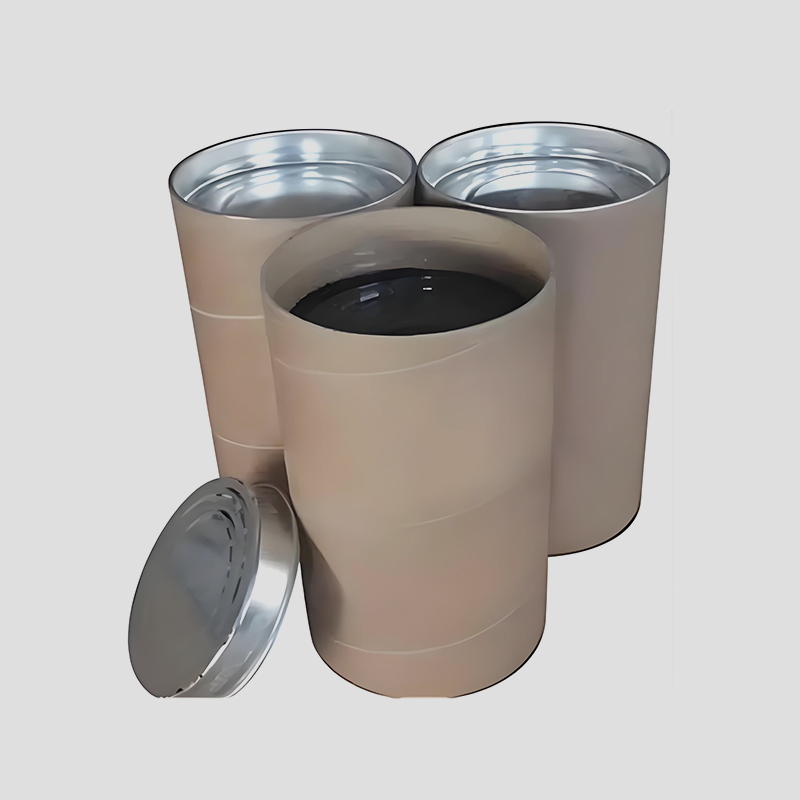
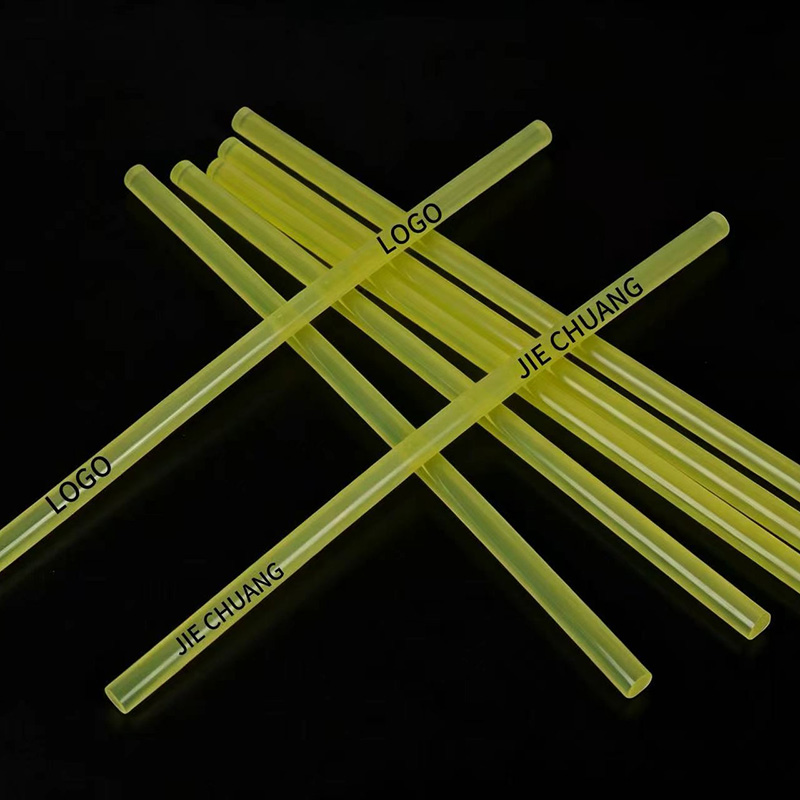
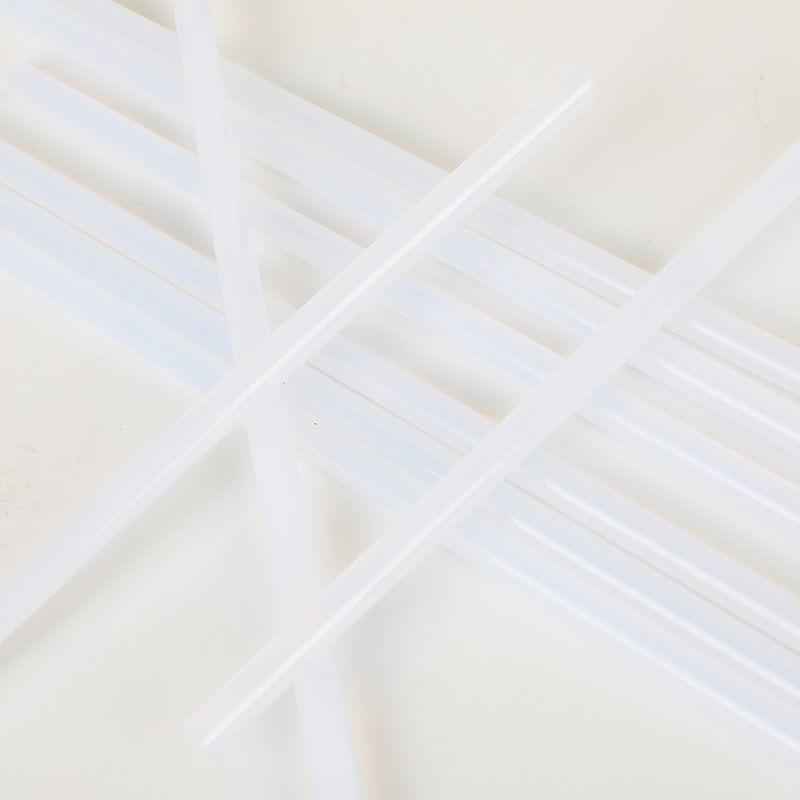
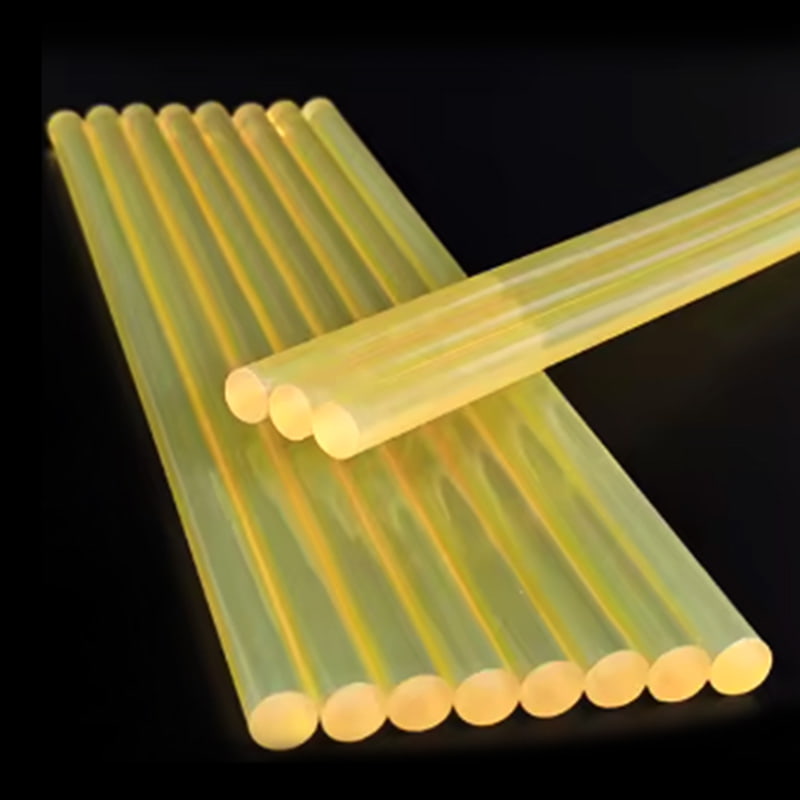
Many manufacturers using a Hot Melt Adhesive Block notice that stable melting behavior directly affects coating consistency and production speed. At the same time, a Granular Hot Melt Adhesive may offer faster feeding and more precise dosage control on automated equipment. Different adhesive forms also influence heat transfer, viscosity stability, and operating temperature.
A low-temperature adhesive is not always safer for production, and a high-temperature adhesive is not always stronger. The correct balance depends on substrate material, machine speed, ambient temperature, and product durability requirements.
Packaging Applications Need Fast Flow and Controlled Cooling
Carton sealing, paper bag production, label attachment, and gift box assembly usually require rapid bonding speeds. Production lines may run hundreds of units per minute, leaving very little open time for adhesive positioning.
EVA-based hot melt systems are commonly used in packaging because they provide balanced viscosity, moderate heat resistance, and relatively stable processing behavior.
Typical packaging adhesive parameters include:
- Melting point: 80°C–120°C
- Operating temperature: 140°C–180°C
- Viscosity: 1,000–3,000 cps
- Open time: 1–10 seconds
Lower melting points help reduce energy consumption and shorten machine warm-up time. Some low-temperature formulations can also reduce carbon buildup inside glue tanks.
Packaging lines using corrugated cardboard often benefit from medium-viscosity adhesives because:
- Adhesive penetration into paper fibers improves bonding
- Faster setting reduces carton shifting
- Lower stringing improves production cleanliness
- Reduced thermal stress protects thin packaging materials
High-speed packaging equipment may also prefer granular adhesive feeding systems because granules melt more evenly and allow accurate dispensing control.
Our company often recommends medium melting point formulations for automatic carton sealing systems operating continuously over long production shifts.
Woodworking Requires Higher Heat Resistance
Furniture assembly and edge banding usually place greater stress on adhesive durability. Wood products may experience seasonal expansion, temperature variation, or long transportation cycles.
Applications such as:
- MDF edge banding
- Cabinet assembly
- Decorative panel lamination
- Veneer bonding
- Wooden door manufacturing
often require higher softening points than packaging adhesives.
Common woodworking adhesive ranges include:
| Application | Recommended Melting Point | Typical Viscosity |
| Edge banding | 110°C–140°C | 8,000–20,000 cps |
| Panel lamination | 100°C–130°C | 5,000–12,000 cps |
| Furniture assembly | 120°C–150°C | 10,000–25,000 cps |
PUR hot melt systems are widely used in furniture manufacturing because they provide moisture-reactive curing and stronger long-term bonding performance. Polyamide adhesives may also be used where oil resistance or heat stability becomes important.
Adhesives with excessively low melting points can create problems in woodworking environments:
- Bond softening during summer transportation
- Edge lifting on laminated panels
- Reduced structural stability
- Poor heat aging performance
High-viscosity formulas are often preferred because they improve gap filling on uneven wood surfaces.
Our company also observes that woodworking lines running at slower speeds generally need longer open times compared with packaging equipment. That requirement changes both melting point selection and resin formulation.
Automotive Assembly Demands Thermal Stability
Vehicle interiors and industrial transportation products operate in demanding environments. Interior cabin temperatures may exceed 80°C during summer exposure, while vibration and dynamic stress continue throughout product life.
Automotive hot melt adhesives are commonly used in:
- Wire harness fixing
- Interior trim assembly
- Foam bonding
- Filter production
- Acoustic insulation materials
Applications in this sector typically require:
- Higher heat resistance
- Stable viscosity during prolonged heating
- Reduced odor
- Resistance to vibration fatigue
Polyamide and polyolefin formulations are frequently selected because they offer improved temperature stability compared with standard EVA systems.
Typical automotive adhesive ranges include:
- Melting point: 120°C–180°C
- Operating temperature: 170°C–220°C
- Heat resistance: above 90°C
- Low-temperature flexibility: below -20°C
Adhesives that soften too early may fail under continuous cabin heat exposure. On the other hand, excessively high viscosity may create poor substrate wetting on plastics or metal surfaces.
Our company usually recommends testing substrates directly before large-scale production because automotive materials vary significantly between ABS, PP, PET, fabric, and coated metal components.
Melting Point and Viscosity Must Work Together
Many buyers focus only on melting point while ignoring viscosity behavior. The two characteristics are closely connected.
Low viscosity generally provides:
- Faster flow
- Better wetting
- Easier spray application
- Faster machine response
Higher viscosity generally supports:
- Gap filling
- Structural bonding
- Reduced adhesive migration
- Better vertical surface performance
A low melting point adhesive with very high viscosity may still process poorly. Meanwhile, a high melting point adhesive with extremely low viscosity may create excessive penetration into porous substrates.
Production speed also changes the required balance.
Fast packaging equipment usually benefits from:
- Lower viscosity
- Faster setting
- Short open time
Woodworking and assembly applications may require:
- Higher viscosity
- Longer open time
- Greater thermal durability
This is why adhesive evaluation should always consider the entire process instead of a single specification.
Equipment Conditions Also Affect Adhesive Choice
Glue tanks, hoses, spray nozzles, and application heads all influence adhesive behavior. Improper temperature settings may cause:
- Carbonization
- Nozzle clogging
- Unstable flow
- Excessive stringing
- Reduced bonding strength
Industrial hot melt systems should maintain stable heating rather than excessive peak temperatures. Research and industry discussions show that overheating can damage adhesive performance and increase maintenance requirements.
Our company often suggests checking these production conditions before choosing adhesive grade:
- Ambient workshop temperature
- Machine operating speed
- Substrate surface temperature
- Storage conditions
- Seasonal shipping environment
- Spray or slot coating method
A packaging adhesive suitable for winter may soften excessively during summer transportation. Likewise, an automotive adhesive designed for high heat resistance may process poorly on small manual equipment.
Matching Adhesive Performance to Real Production Needs
Industrial bonding performance depends on more than bond strength alone. Processing stability, machine cleanliness, energy consumption, and long-term durability all influence production cost.
Modern hot melt technology includes:
- EVA systems
- Polyolefin formulations
- PUR reactive adhesives
- Metallocene hot melts
- Polyamide adhesives
Each material family provides different melting behavior, viscosity characteristics, and environmental resistance.
Our company supports customers by evaluating:
- Production speed
- Bonding substrates
- Seasonal temperature exposure
- Equipment compatibility
- Required open time
- Final product durability
Detailed adhesive information and industrial hot melt solutions are available through JC Adhesive.