

 English
 中文简体
中文简体
Author: Jie Chuang
Date: May 15, 2026
Why Are Hot Melt Adhesives Becoming Critical in High-Speed Manufacturing and Packaging Lines?
Global manufacturing is undergoing a quiet but meaningful transformation driven by automation, sustainability requirements, and the need for faster production cycles. Among the many materials supporting this shift, hot melt adhesives have become increasingly important due to their solvent-free nature, instant bonding capability, and compatibility with high-speed production systems. In packaging, woodworking, electronics, and automotive assembly, demand for more stable and efficient bonding solutions continues to grow, especially as manufacturers aim to reduce energy consumption and improve line productivity. Zhejiang Jiechuang New Materials Technology Co., Ltd. has been closely observing these industrial changes while supporting international buyers seeking more reliable adhesive solutions.
Packaging Automation and E-commerce Growth Are Reshaping Adhesive Demand
One of the strongest drivers behind current adhesive demand is the rapid expansion of e-commerce and automated packaging systems. Fulfillment centers now rely heavily on continuous, high-speed carton sealing and product assembly processes, where bonding speed and consistency directly affect operational efficiency.
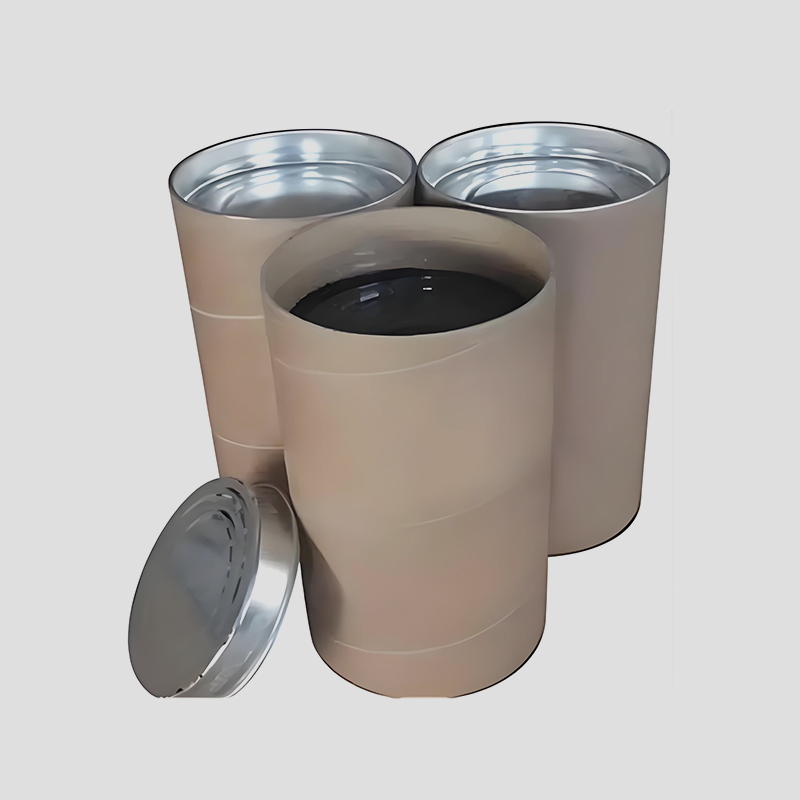
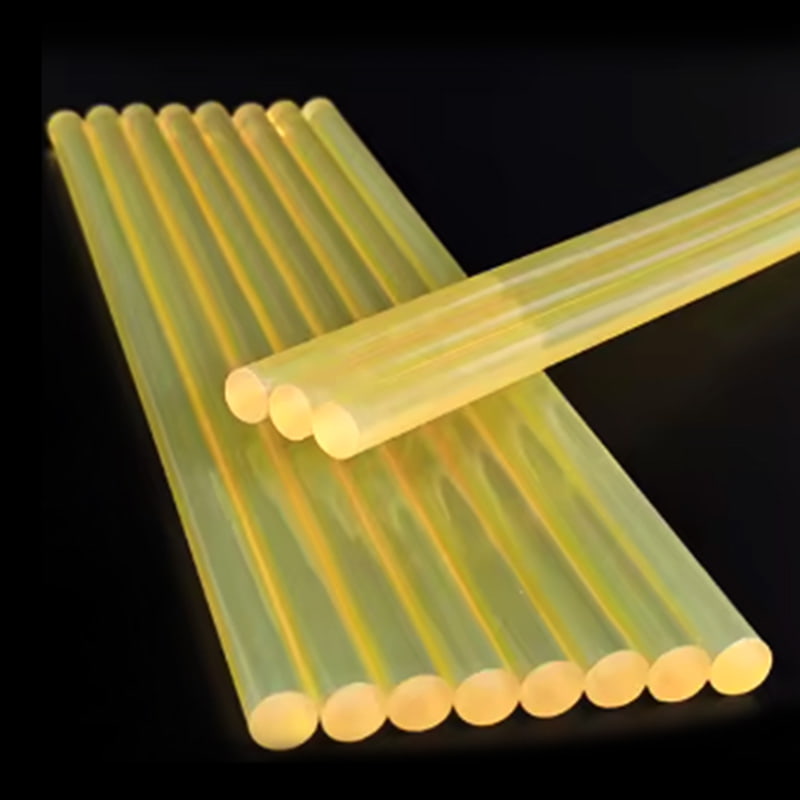
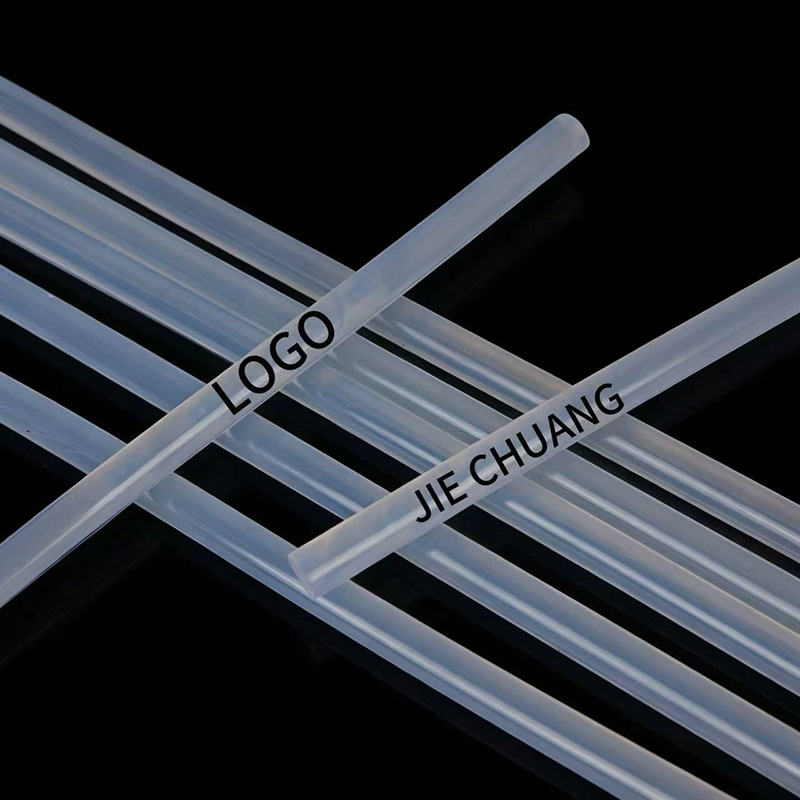
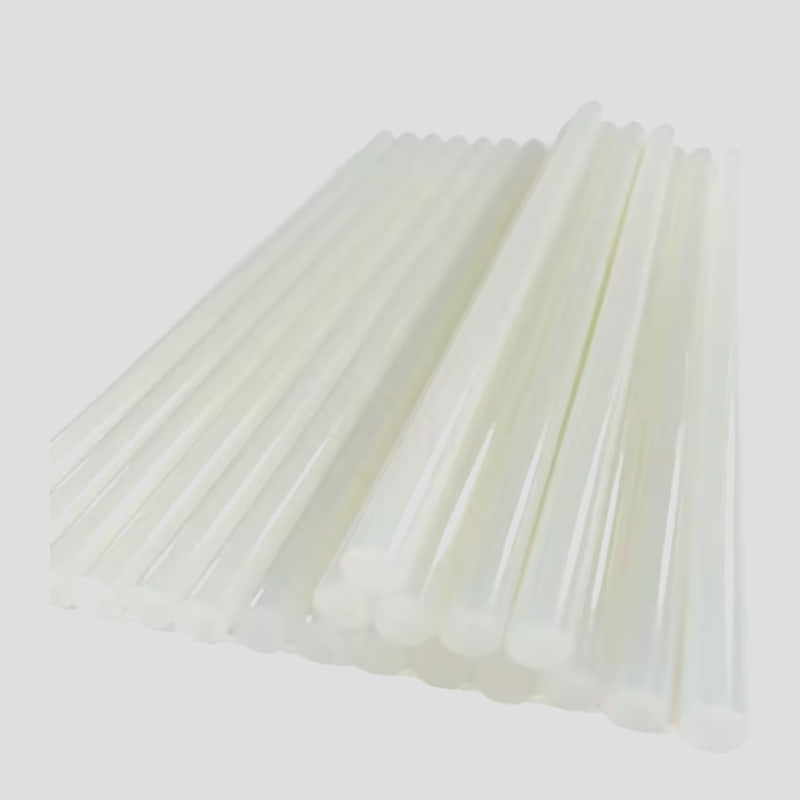
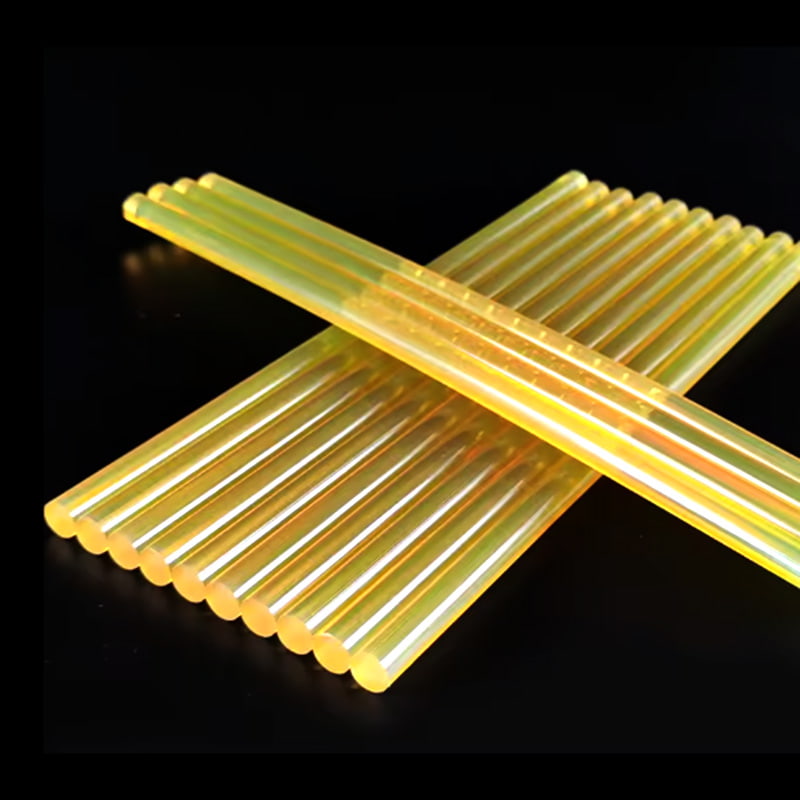
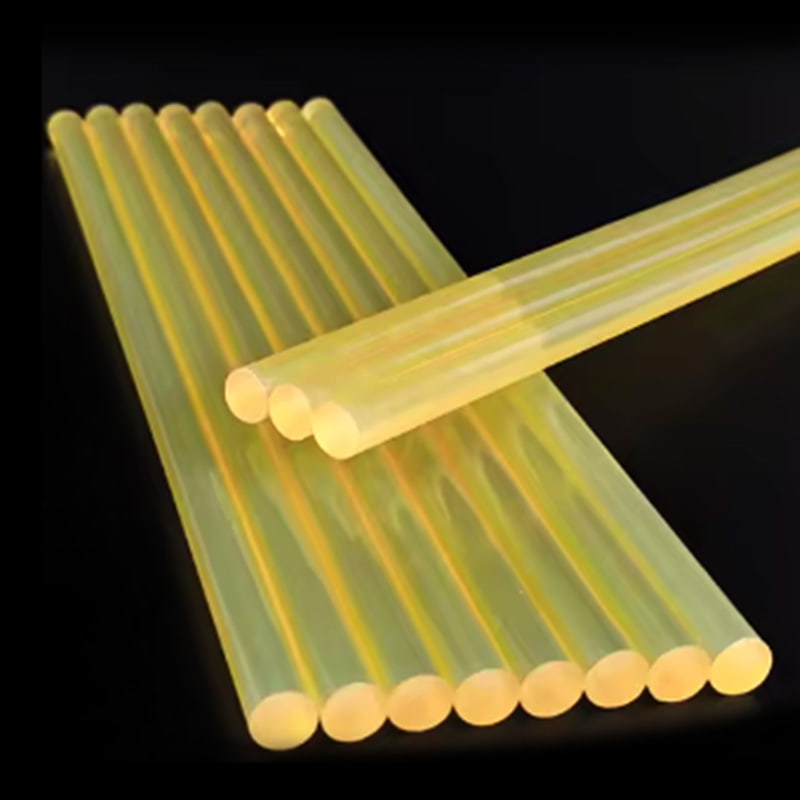
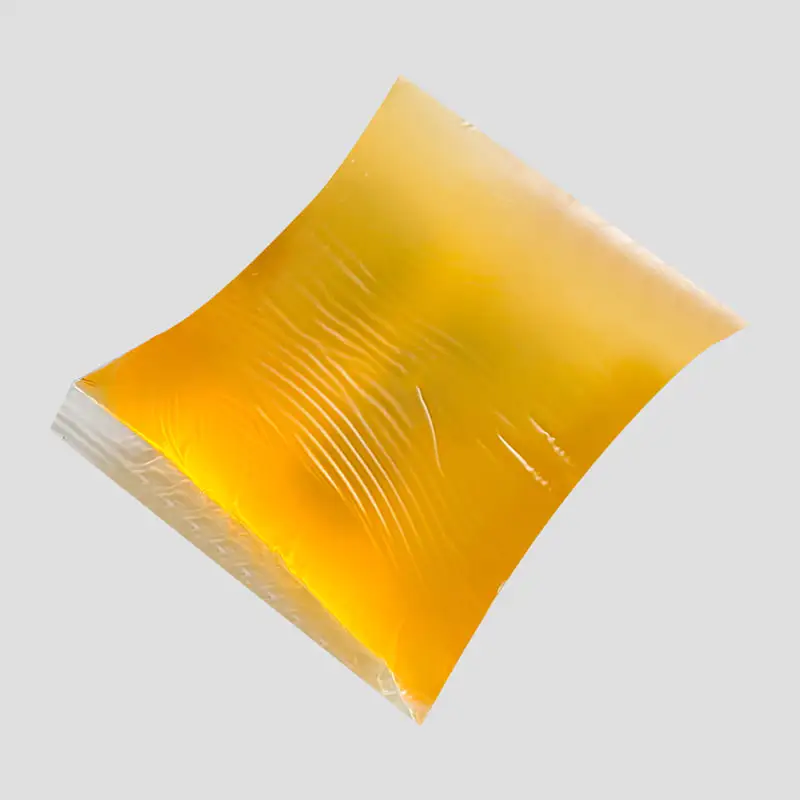
In this environment, a Hot Melt Adhesive Block is widely used in automated melting systems because it supports stable feeding, clean processing, and consistent viscosity control during long production cycles. Compared with traditional liquid adhesives, solid-form hot melt solutions reduce storage complexity and improve application efficiency on automated lines.
The packaging industry’s shift toward lightweight materials and recyclable cartons has also increased the need for adhesives that can bond effectively across paperboard, coated surfaces, and mixed-material packaging structures.
Why Traditional Adhesive Systems Are Struggling to Meet Modern Production Needs
Conventional adhesive technologies such as solvent-based glues or water-based systems were designed for slower production environments. Today’s manufacturing lines operate under very different conditions, where speed, consistency, and environmental compliance are equally important.
Key limitations of older systems include longer drying times, higher energy consumption, and sensitivity to environmental conditions such as humidity and temperature. These factors often reduce line efficiency and increase production variability.
Additionally, maintenance requirements for older adhesive systems can be higher, particularly in automated environments where downtime directly impacts output.
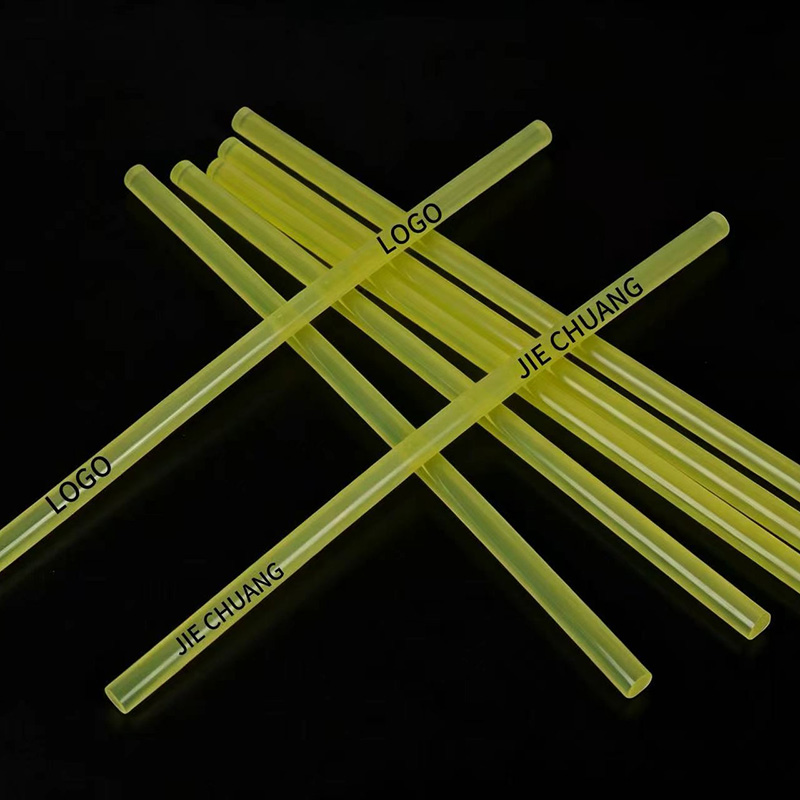
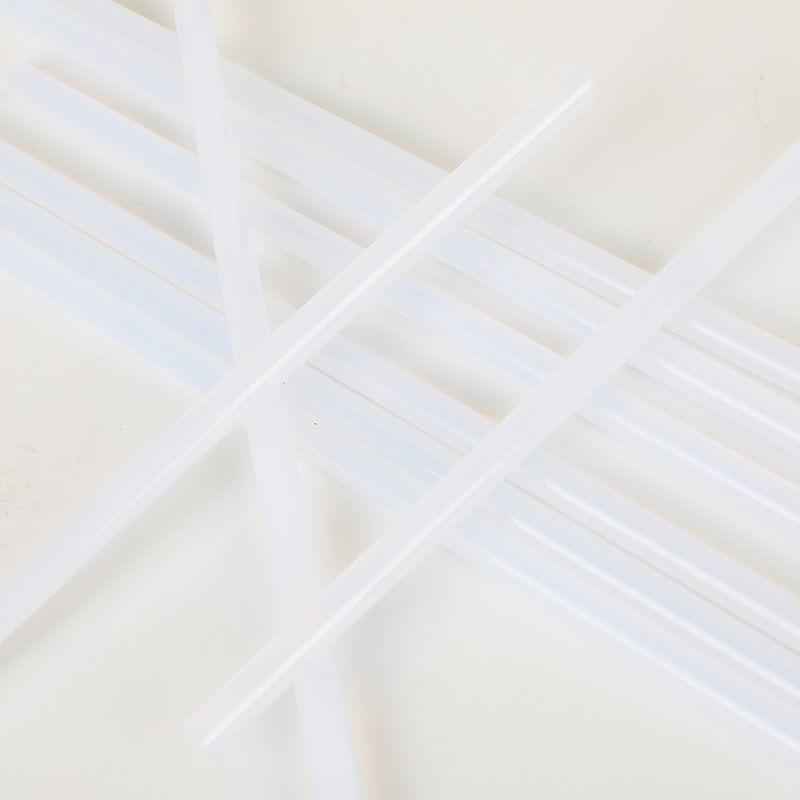
As a result, many manufacturers are transitioning toward more efficient solutions such as Granular Hot Melt Adhesive, which offers faster melting behavior, easier dosing control, and improved compatibility with modern dispensing equipment.
Material Innovation and Sustainability Trends in Adhesive Development
Recent industry developments show a clear shift toward energy-efficient and more environmentally responsible adhesive formulations. Manufacturers are increasingly focusing on reducing application temperatures, improving bonding efficiency, and supporting recyclable packaging systems.
Hot melt technologies are particularly well-positioned in this trend because they do not require solvents and can be applied in solid form before melting, reducing emissions during processing. Market reports also indicate growing interest in bio-based and low-emission adhesive systems as part of broader sustainability initiatives in packaging and consumer goods industries.
In practice, this means manufacturers are refining polymer blends and optimizing melt viscosity to ensure stable performance while reducing overall energy usage in production environments.
Application Performance: How Modern Adhesives Improve Production Stability
In real industrial applications, adhesive performance is judged not only by bonding strength but also by how consistently it behaves under continuous operation.
At Zhejiang Jiechuang New Materials Technology Co., Ltd., engineering development focuses on maintaining stable melt flow, controlled open time, and reliable adhesion across different substrates. These factors are especially important in automated packaging systems where even minor inconsistencies can affect sealing quality.
Typical application scenarios include:
- Carton sealing in high-speed logistics centers
- Bookbinding and paper product assembly
- Wood panel edge bonding in furniture manufacturing
- Textile and nonwoven product lamination
- Lightweight component assembly in electronics packaging
A well-formulated Hot Melt Adhesive Block helps ensure stable feeding into melting systems, while Granular Hot Melt Adhesive supports flexible dosing and consistent melting behavior in automated production environments.
Manufacturing Strength and Quality Control in Adhesive Production
Producing industrial-grade adhesives requires strict control over raw material selection, compounding processes, and thermal stability testing. Small variations in formulation can significantly affect bonding performance and machine compatibility.
Toward Smarter and More Efficient Adhesive Systems
The adhesive industry is expected to continue evolving alongside automation, digital manufacturing, and sustainability requirements. Future systems will likely focus on lower energy consumption, faster processing speeds, and improved integration with intelligent production lines.
As packaging and industrial manufacturing become increasingly automated, demand for stable, efficient, and adaptable adhesive materials will continue to grow. Jiechuang remains committed to supporting this evolution by providing solutions that align with modern production efficiency and global manufacturing trends.