

 English
 中文简体
中文简体
Author: Jie Chuang
Date: May 15, 2026
Are Industrial Adhesives Ready for Ultra-Fast, Multi-Material Manufacturing Lines?
Modern manufacturing is no longer defined only by scale, but by speed, material diversity, and process stability. In industries such as packaging, woodworking, electronics assembly, and textile processing, production lines are becoming faster while handling more complex substrates than ever before. This shift is forcing adhesive technologies to evolve beyond traditional bonding expectations. Instead of simply “sticking materials together,” today’s adhesives must support automation, precision dispensing, and stable performance under continuous operation. Jiechuang is actively working within this transformation as global demand for high-efficiency bonding solutions continues to grow.
Automation Pressure Is Reshaping Adhesive Performance Requirements
Across global manufacturing hubs, automation is no longer optional—it is the standard. High-speed packaging lines, robotic assembly systems, and continuous production workflows require adhesives that can respond instantly and perform consistently without interruption.
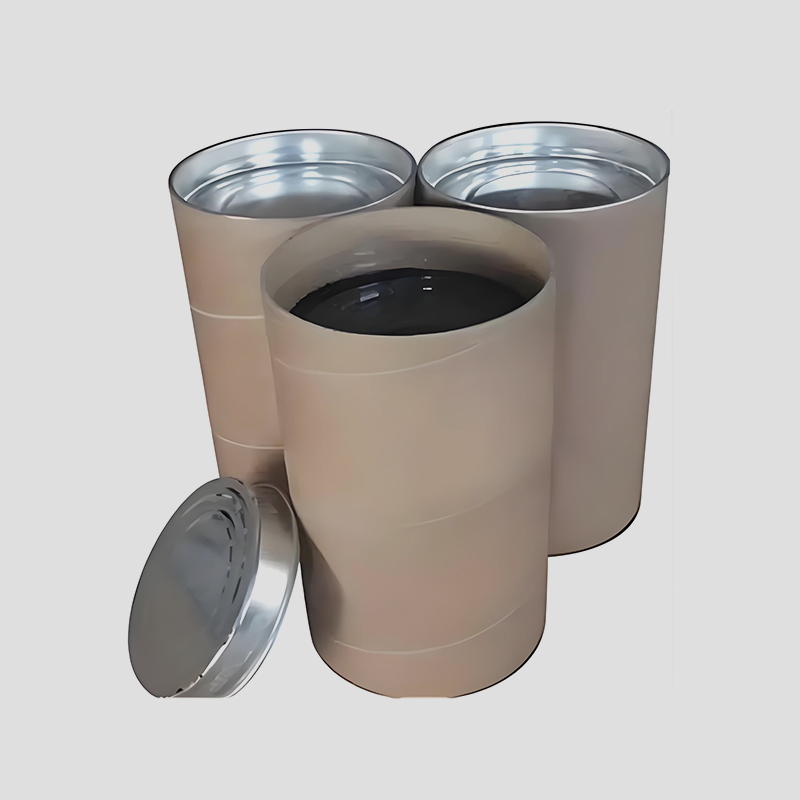
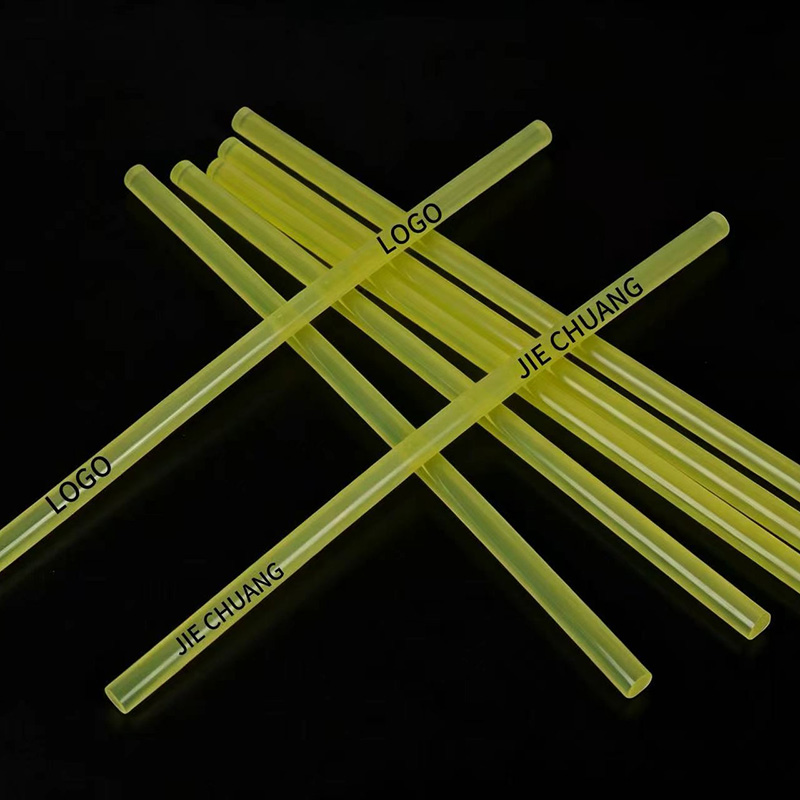
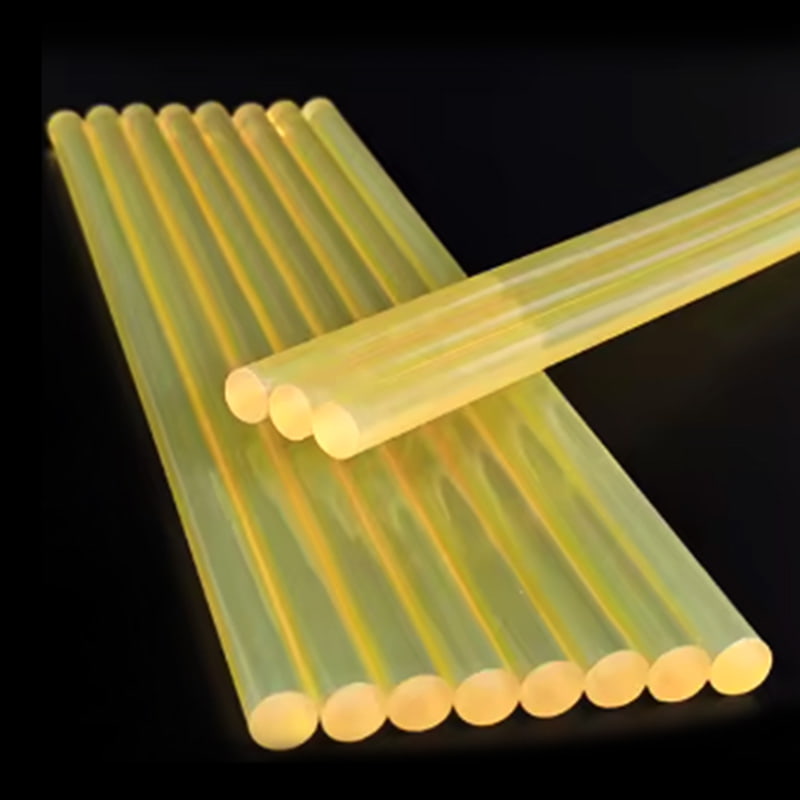
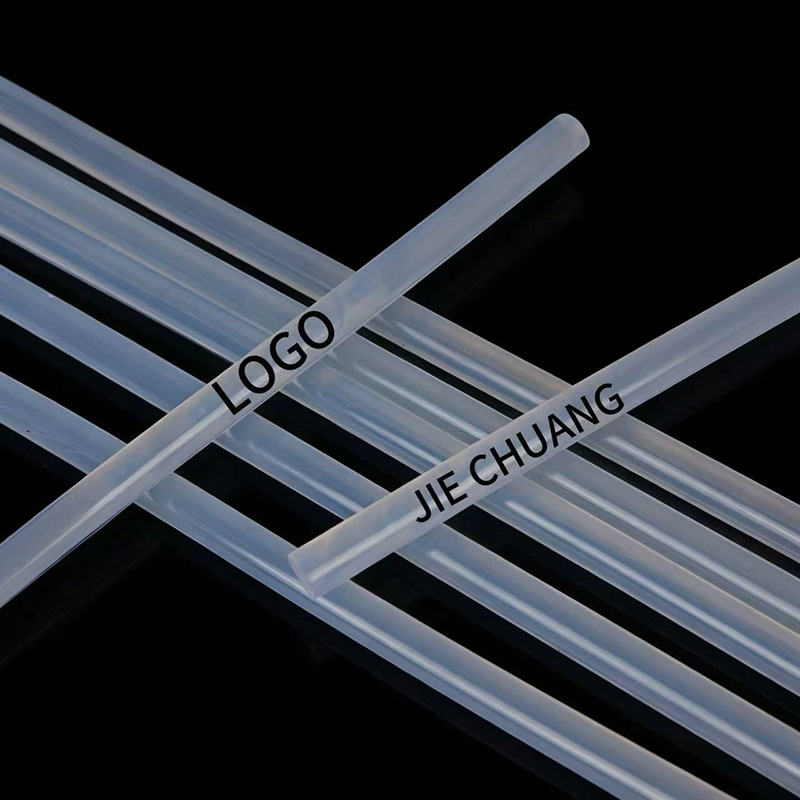
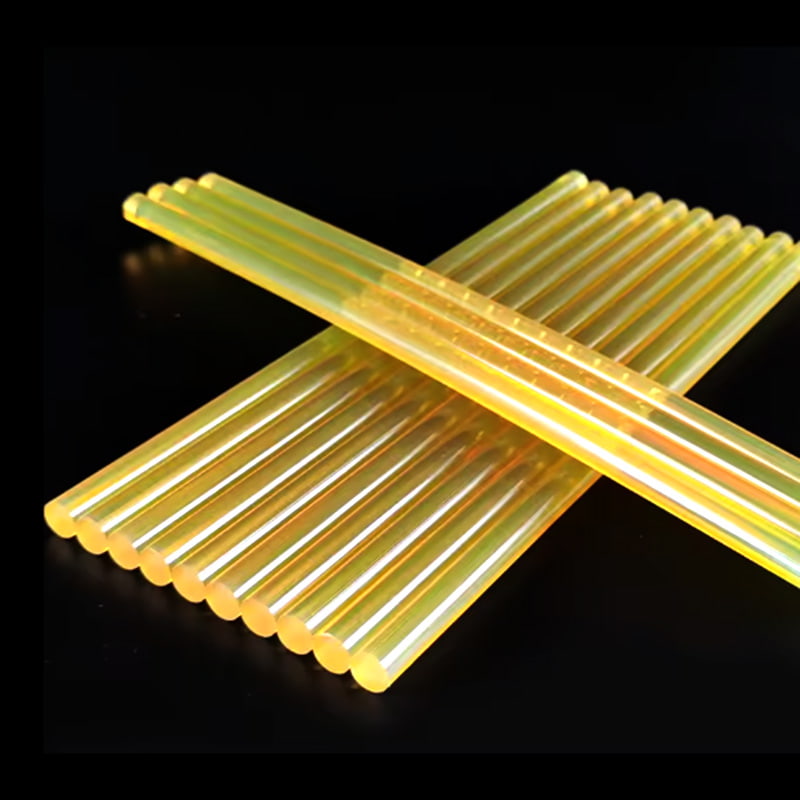
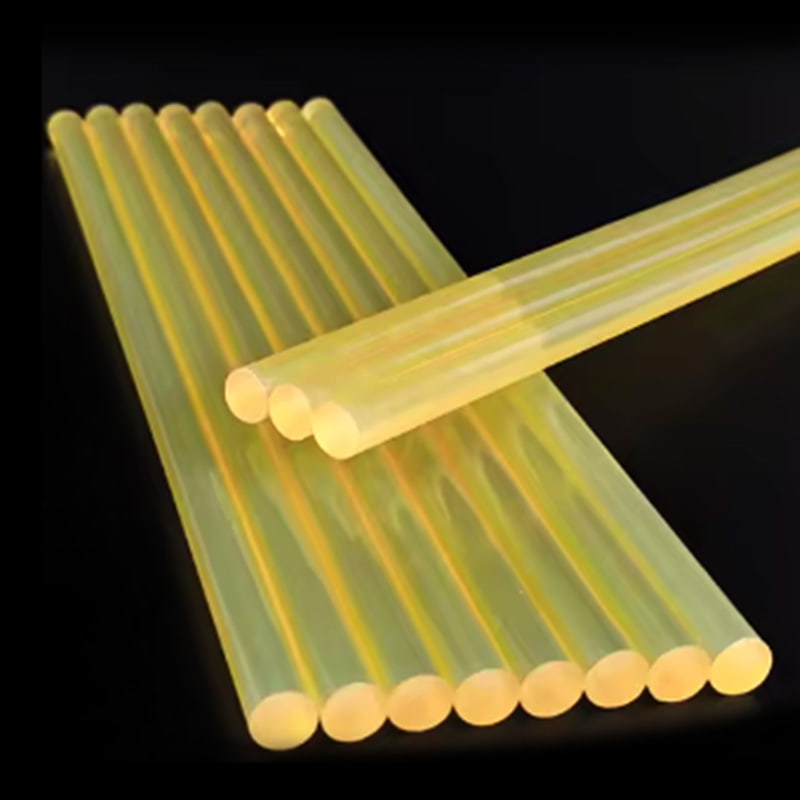
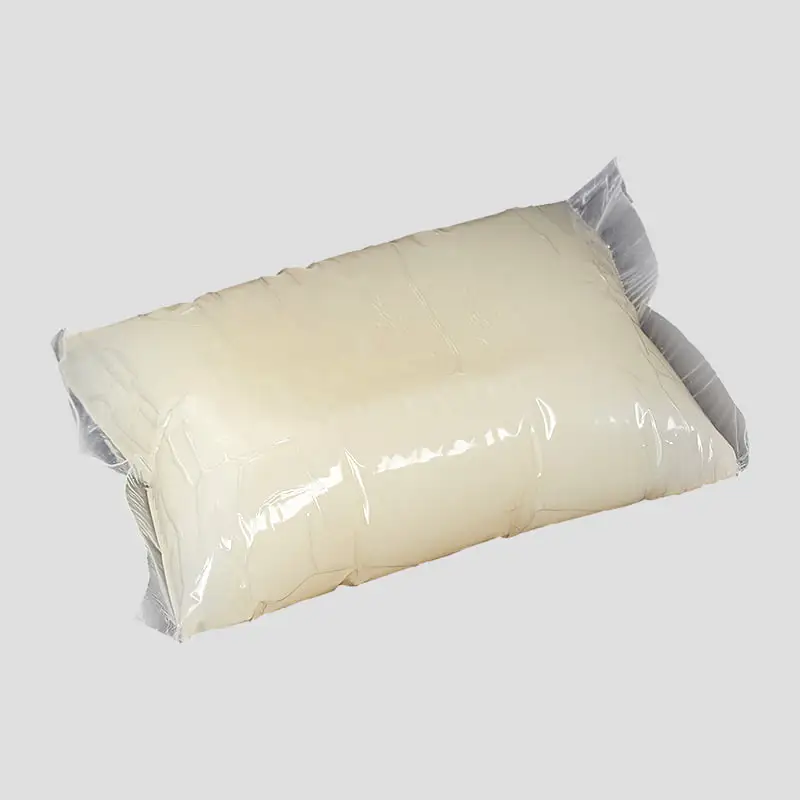
In this environment, materials such as a Hot Melt Adhesive Block are widely used because they support stable feeding into melting systems and maintain consistent viscosity during long production cycles. This consistency is essential for automated equipment, where even minor fluctuations can lead to production delays or bonding defects.
At the same time, manufacturers are paying closer attention to processing efficiency, especially in logistics packaging and consumer goods production, where cycle time directly impacts operational cost.
Why Conventional Adhesive Solutions Struggle in Modern Production Environments
Older adhesive technologies were designed for slower, less integrated manufacturing systems. Today’s production environments, however, demand higher precision and faster response times.
One major limitation is temperature sensitivity. Many traditional adhesives require strict environmental control to maintain performance stability, which increases operational complexity.
Another issue is inconsistent flow behavior during automated dispensing. Variations in viscosity can cause uneven coating, weak bonding points, or machine clogging, all of which reduce efficiency.
There is also growing pressure from sustainability regulations, where manufacturers are expected to reduce emissions and eliminate solvent-based systems wherever possible.
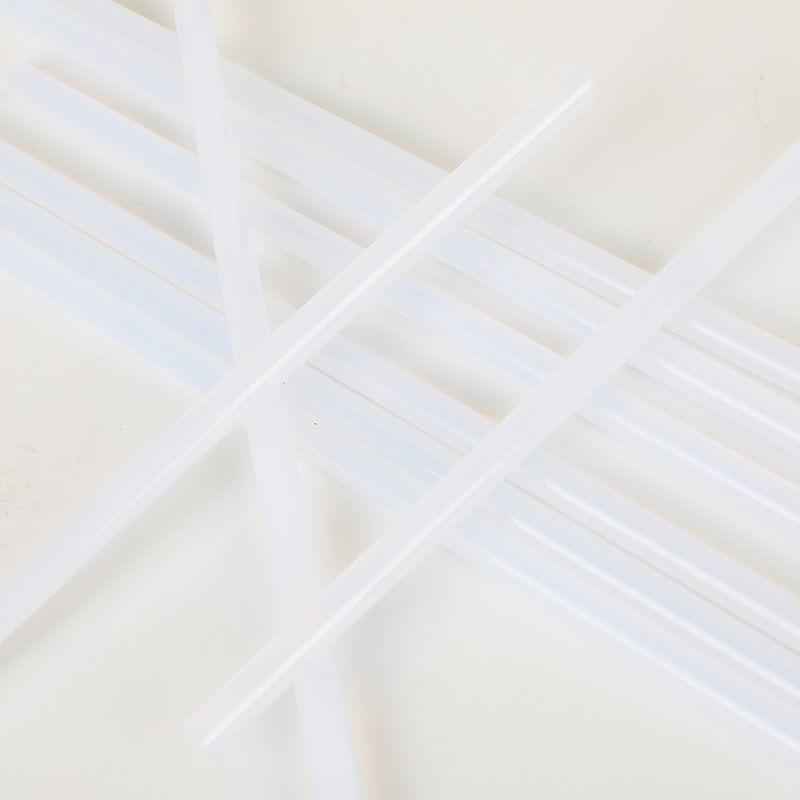
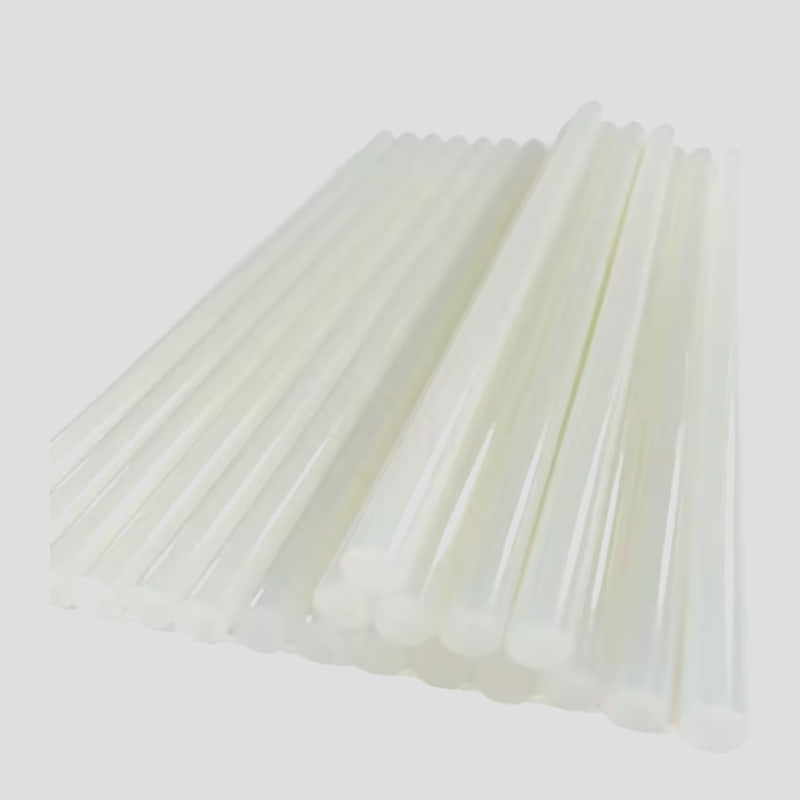
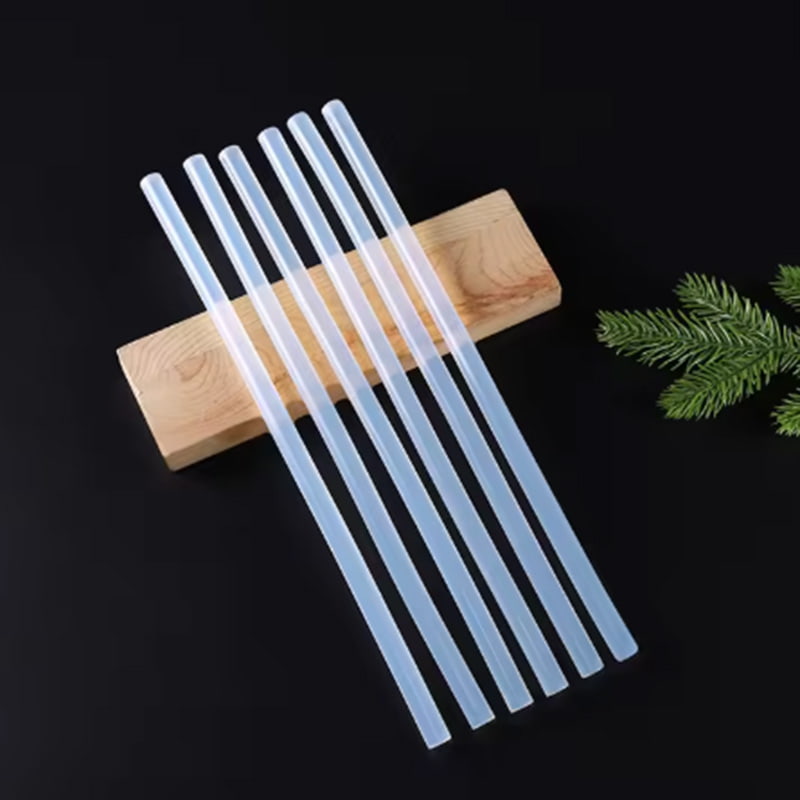
Because of these challenges, many engineers are shifting toward more stable alternatives such as Granular Hot Melt Adhesive, which offers improved melting control and better compatibility with modern automated feeding systems.
Application Scenarios Requiring High Consistency and Fast Response
In real-world manufacturing, adhesives must perform reliably under a wide range of operating conditions. Different industries place different demands on bonding materials, but consistency remains a shared requirement.
Typical applications include:
- E-commerce carton sealing in high-speed logistics centers
- Furniture edge banding and panel assembly
- Bookbinding and printed material finishing
- Electronic packaging protection and component fixation
- Textile lamination and nonwoven product assembly
In each of these scenarios, adhesive behavior must remain stable even when production speed increases or material composition changes.
A properly engineered Hot Melt Adhesive Block helps maintain uniform melting performance, while Granular Hot Melt Adhesive provides flexibility in dosing and improved flow control in automated systems.
Manufacturing Capability and Quality Control Standards
Producing industrial-grade adhesives for automated manufacturing requires strict process control and consistent formulation management. Small variations in raw materials or processing temperature can significantly impact performance in high-speed applications.
Toward Intelligent and Adaptive Bonding Materials
The adhesive industry is expected to evolve further alongside smart manufacturing systems. Future developments will likely focus on adaptive performance, real-time process monitoring, and improved energy efficiency.
As production environments become more automated and diversified, adhesives will need to function not only as bonding agents but as integrated components within intelligent manufacturing systems.
Jiechuang continues to develop solutions aligned with these trends, supporting global manufacturers as they move toward faster, more stable, and more efficient production ecosystems.