

 English
 中文简体
中文简体
Author: Jie Chuang
Date: May 22, 2026
Which Hot Melt Form Works Best for Factories
Modern production lines depend on stable bonding speed, clean application, and reduced downtime. Many factories upgrading packaging, woodworking, labeling, hygiene products, or furniture assembly often compare different adhesive forms before expanding capacity. Our company has seen this discussion become more common as automated equipment continues moving toward faster cycle times and longer operating hours.
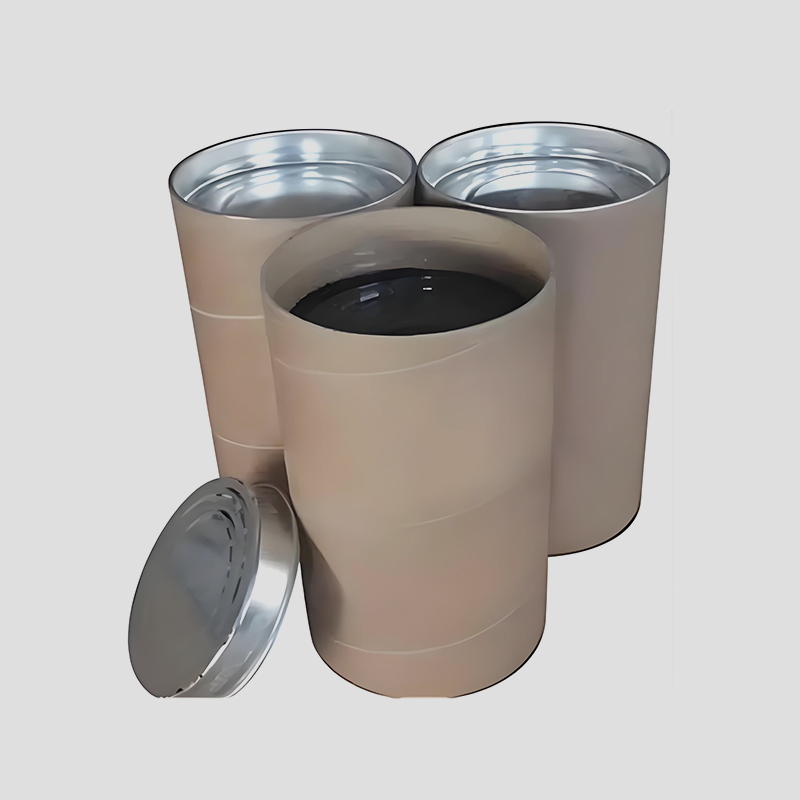
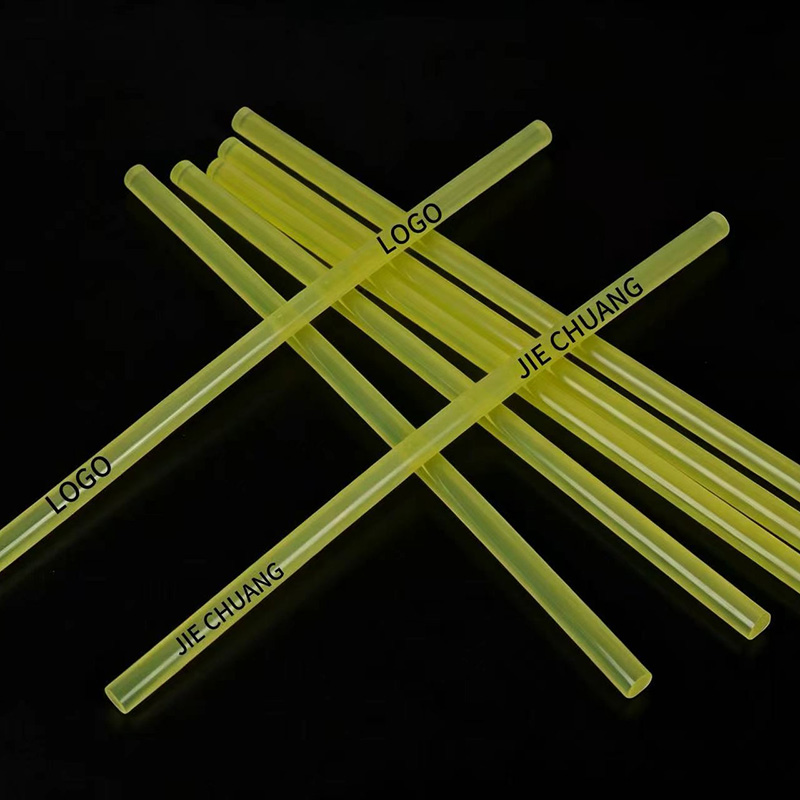
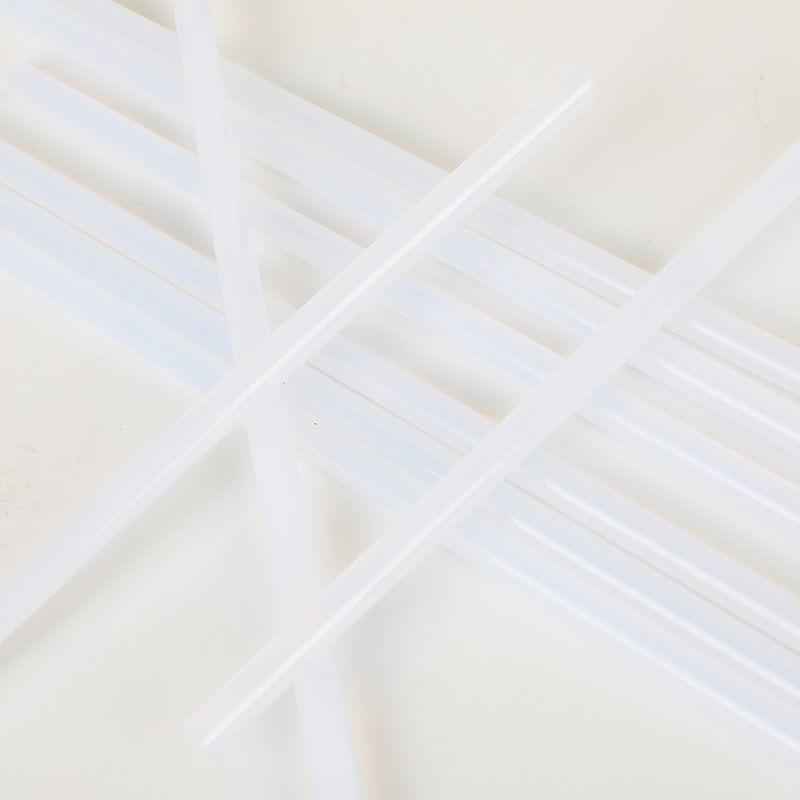
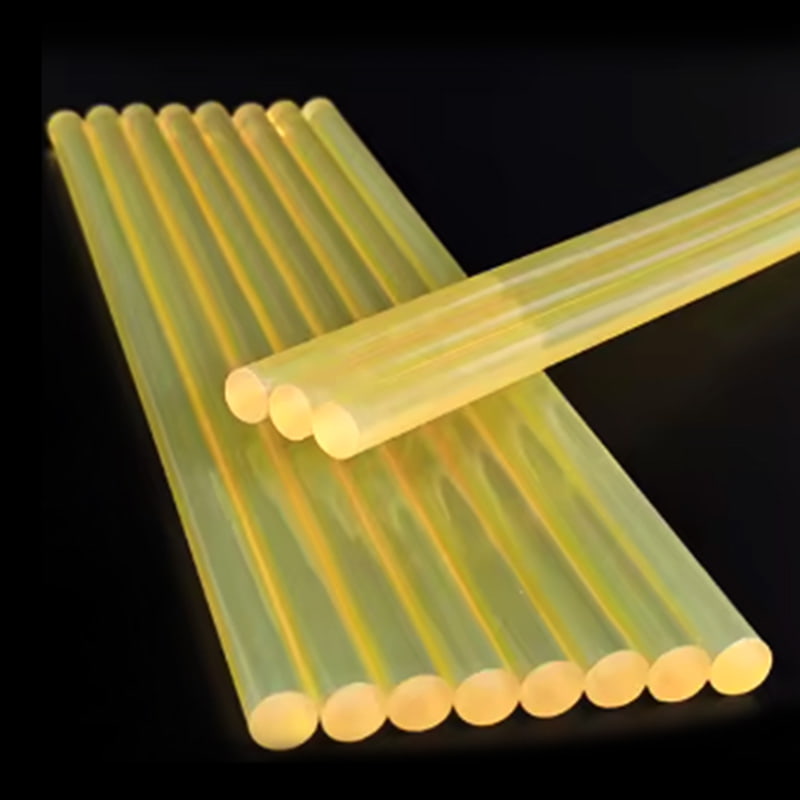
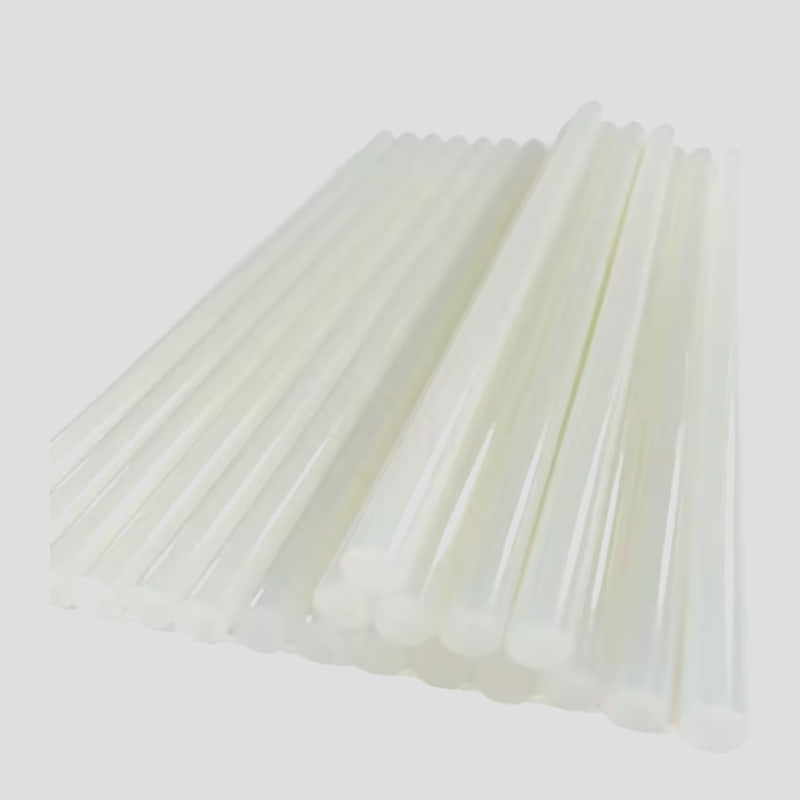
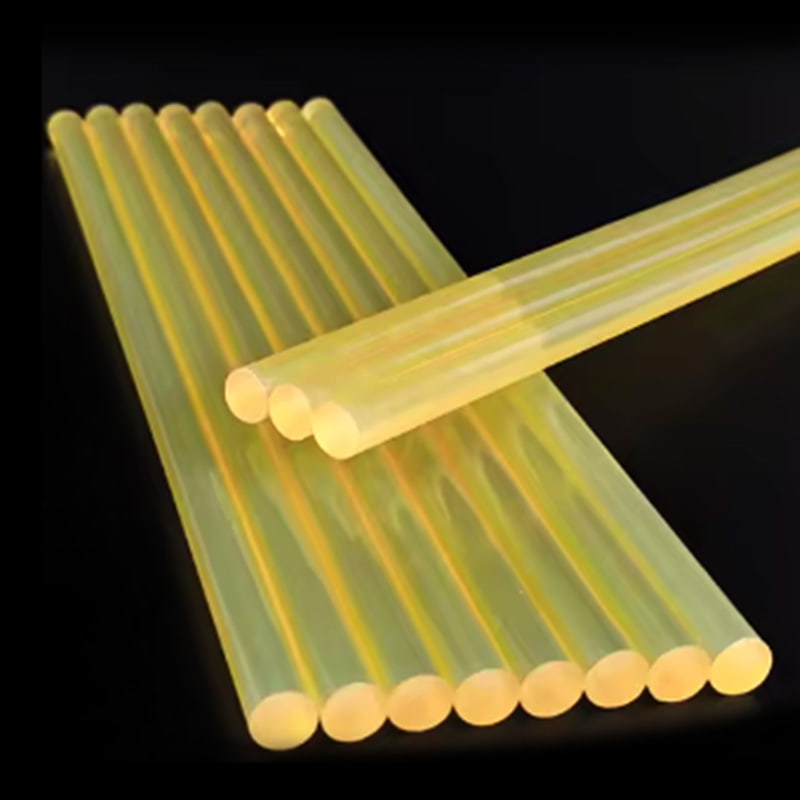
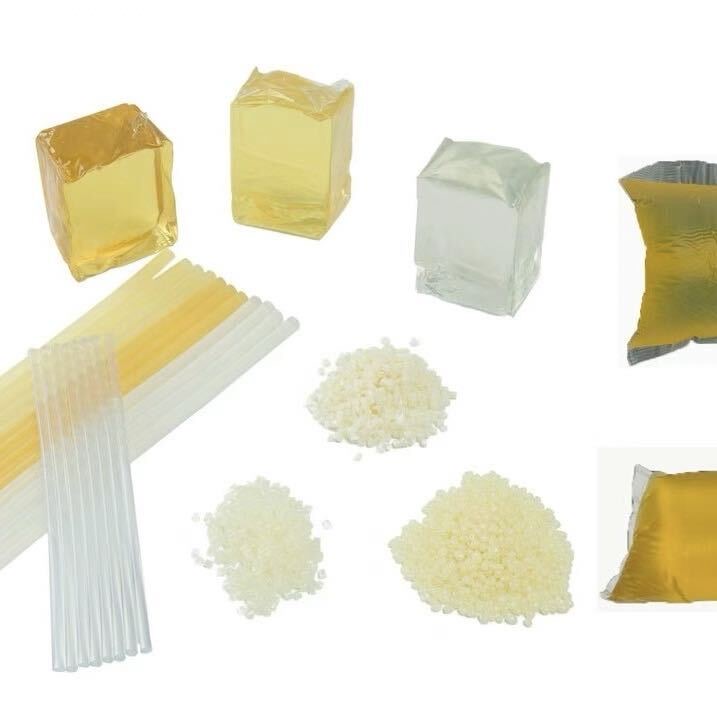
A common debate inside manufacturing plants focuses on whether a Hot Melt Adhesive Block or a pellet-based material can support large-scale production more efficiently. At the same time, many operators still use glue sticks in semi-automatic workshops because of their flexibility and simple handling. Alongside block materials, Granular Hot Melt Adhesive products are widely used in automated feeding systems due to their easy melting characteristics and steady flow behavior.
Factories rarely choose adhesive form based only on price. Feeding efficiency, storage conditions, melt stability, application temperature, and equipment compatibility all influence the final decision.
Why Adhesive Form Matters in Industrial Production
Large factories operate continuously for many hours each day. Small differences in adhesive feeding or melting performance can directly affect output.
Several production factors are connected to adhesive form:
- Melting speed
- Carbon buildup inside tanks
- Feeding automation
- Storage efficiency
- Worker handling convenience
- Material waste
- Equipment cleaning frequency
Industrial hot melt systems generally operate between 120°C and 180°C depending on resin formulation and application requirements. Common viscosity ranges may vary from 800 cps to over 4000 cps at operating temperature.
A factory producing thousands of cartons per hour may prioritize flow consistency, while a furniture workshop may care more about open time and positioning flexibility.
Hot Melt Adhesive Block for Heavy Industrial Consumption
Block-shaped hot melt adhesive is commonly used in factories with large daily consumption volumes.
Main Advantages
Reduced Packaging Waste
Large adhesive blocks decrease the number of refill operations. Compared with small glue sticks or small bags of pellets, block materials reduce packaging disposal and operator interruptions.
Better for Centralized Melting Systems
Many automated production lines use bulk melting equipment with high-capacity tanks. Block adhesives work efficiently in these systems because operators can load larger quantities at one time.
Stable Continuous Supply
Packaging plants and mattress factories often run nonstop shifts. Bulk block material helps reduce feeding frequency and minimizes interruptions during long production cycles.
Typical Applications
- Carton sealing
- Furniture edge bonding
- Mattress assembly
- Product packaging
- Bookbinding
- Industrial filtration materials
Considerations
Block materials may require stronger melting equipment because larger adhesive masses need more heating time. Facilities without automated feeding systems sometimes find block handling less convenient for small-batch production.
Granular Hot Melt Adhesive and Automated Feeding Efficiency
Granular or pellet-form adhesives are extremely common in automated factories.
Fast Melting Characteristics
Small particle size increases surface area exposure during heating. This helps the adhesive melt more quickly and evenly inside industrial tanks.
Fast melting improves:
- Startup speed
- Temperature stability
- Flow consistency
- Energy efficiency
Some packaging lines using pellet hot melt systems operate at application temperatures around 160°C to 177°C with viscosity levels near 900–1650 cps depending on the formulation.
Easy Integration with Automated Systems
Granular materials are ideal for:
- Auto-feeding systems
- Pneumatic conveying
- Metered dosing equipment
Factories with robotic packaging equipment often prefer pellets because material feeding can be controlled automatically with minimal labor.
Lower Risk of Uneven Heating
Large adhesive masses occasionally develop localized overheating in poorly maintained systems. Granules help improve heat distribution and reduce carbonization risk inside tanks.
Common Industrial Uses
- Disposable hygiene products
- Food packaging
- Labeling
- Textile lamination
- Electronics assembly
- Fast carton sealing lines
Glue Sticks Still Have a Role
Industrial glue sticks remain practical in some manufacturing environments despite the growth of bulk systems.
Suitable Production Conditions
Glue sticks work well in:
- Manual assembly stations
- Repair departments
- Small workshops
- Prototype production
- Low-volume manufacturing
Equipment Simplicity
Hot glue guns require limited installation space and lower initial investment compared with bulk melting systems.
Flexible Material Switching
Factories producing multiple short-run products sometimes choose glue sticks because operators can quickly change adhesive grades without cleaning large tanks.
However, glue sticks become less efficient in large factories because operators must reload material frequently. Manual application also limits production speed.
Which Form Fits Different Factory Types?
Packaging Factories
Granular adhesives are usually preferred for high-speed carton sealing because automated feeding improves efficiency and reduces downtime.
Furniture Manufacturing
Block adhesives are widely used in furniture assembly and edge bonding where consumption volume remains high throughout the day.
Electronics Workshops
Granules and precision glue sticks may both be suitable depending on automation level and bonding accuracy requirements.
Small Manufacturing Businesses
Glue sticks often provide a practical starting point because equipment investment stays relatively low.
Cost Comparison Beyond Raw Material Price
Many buyers compare only adhesive price per kilogram. Industrial production costs involve much more than raw material expense.
Factories should also evaluate:
- Machine cleaning frequency
- Energy consumption
- Operator labor
- Feeding interruptions
- Adhesive waste
- Maintenance downtime
Low-temperature formulations can also help reduce electricity usage and carbon buildup inside melting systems. Some industrial discussions mention energy savings near 15% under certain low-temperature operating conditions.
Our company often recommends evaluating total operating efficiency instead of focusing only on unit adhesive price.
Technical Details Factories Should Check
Before choosing adhesive form, production managers should review several technical parameters:
| Parameter | Typical Industrial Range |
| Application Temperature | 120°C–180°C |
| Softening Point | 80°C–120°C |
| Viscosity | 800–4000 cps |
| Open Time | Seconds to 50 seconds |
| Set Speed | Fast to Very Fast |
Different substrates require different bonding behavior:
- Corrugated paper needs strong hot tack
- Wood assembly may require longer open time
- Textile lamination may need flexible bonding
- Electronics may require low-odor formulations
If your factory runs an assembly line, packaging station, or any high-volume bonding operation, granular hot melt adhesive paired with automated dispensing equipment is the most efficient, cost-effective, and reliable choice. Adhesive blocks offer a practical stepping stone for semi-automated workflows, while glue sticks should be reserved for non-production tasks.
The real question isn't just "which form?" but "which form supports your production goals?" For manufacturers prioritizing speed, consistency, and scalability, granular hot melt adhesives deliver the performance that glue sticks and basic blocks simply cannot match.