

 English
 中文简体
中文简体
Author: Jie Chuang
Date: May 08, 2026
What Makes Hot Melt Adhesives a Reliable Choice for Flexible Packaging Innovation?
As flexible packaging continues to dominate global supply chains—from e-commerce shipments to daily consumer goods—manufacturers are placing greater emphasis on bonding solutions that are efficient, clean, and adaptable. In this evolving landscape, materials such as Hot Melt Adhesive Block and Granular Hot Melt Adhesive are increasingly adopted by packaging converters and industrial buyers seeking consistent performance in high-speed production environments. Their ability to support automation while meeting sustainability expectations makes them a practical choice for modern manufacturing.
The Expansion of Flexible Packaging Demand
The rapid growth of e-commerce and fast-moving consumer goods has significantly increased the need for reliable packaging solutions. Flexible packaging, valued for its lightweight structure and cost efficiency, is widely used across industries such as food, retail, and logistics.
This trend is pushing manufacturers to upgrade adhesive systems that can operate seamlessly within high-speed production lines while maintaining consistent bonding quality.
Adhesive Forms and Their Role in Production Efficiency
In industrial packaging, adhesive form influences both handling and performance.
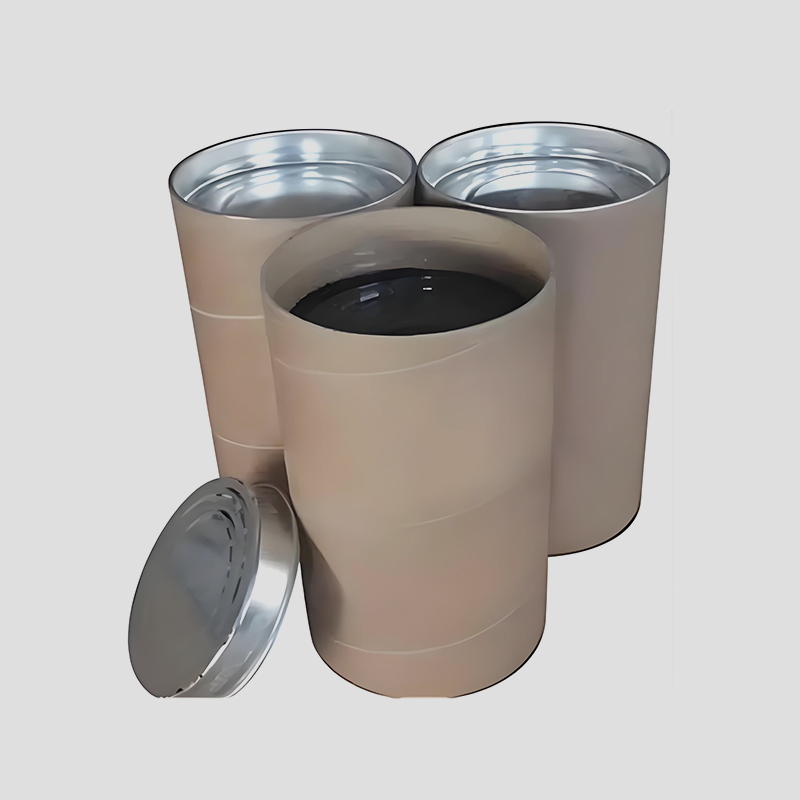
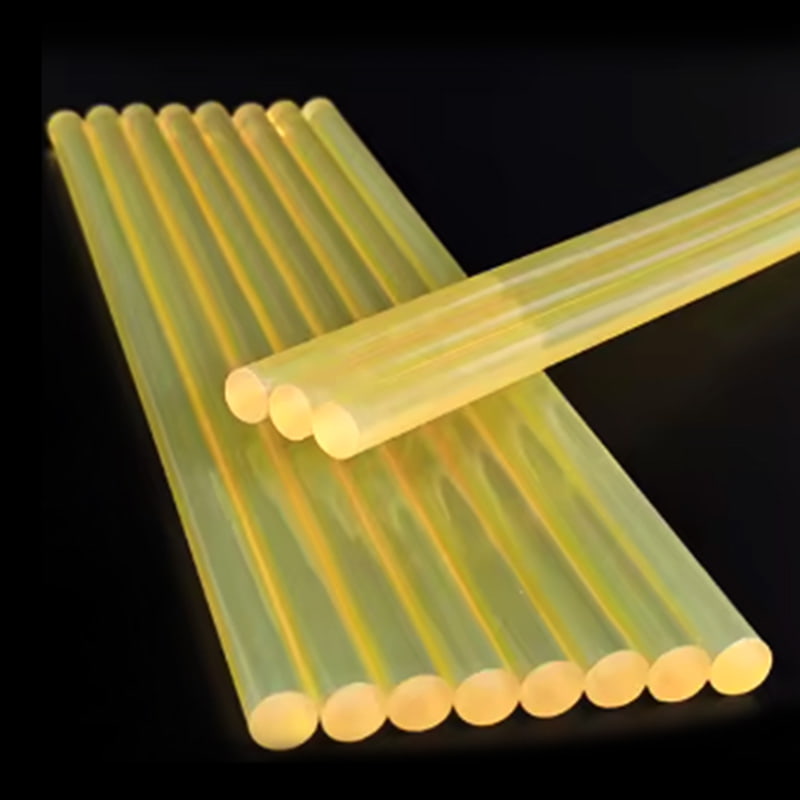
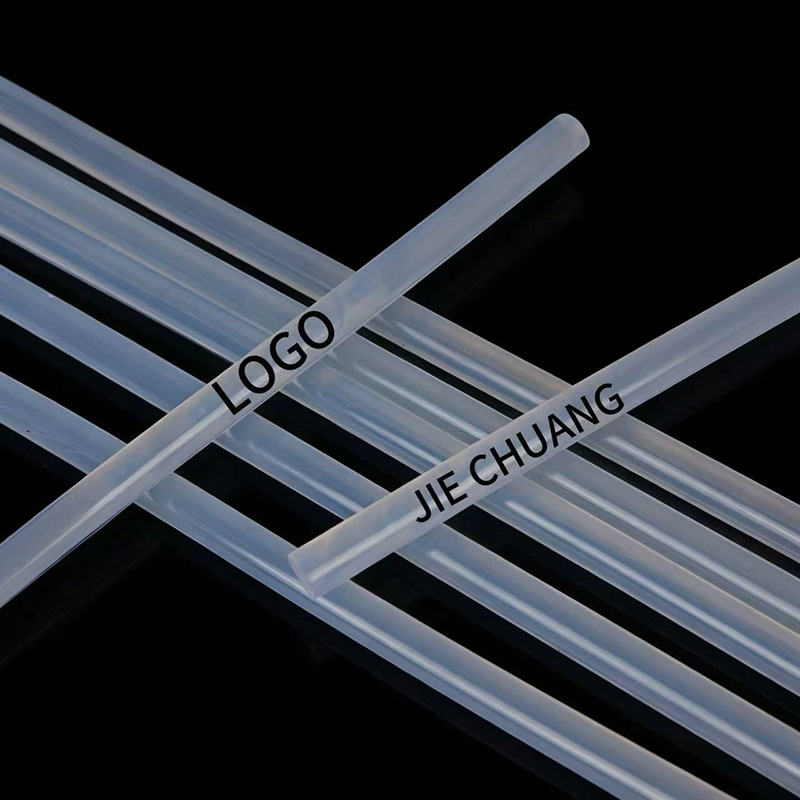
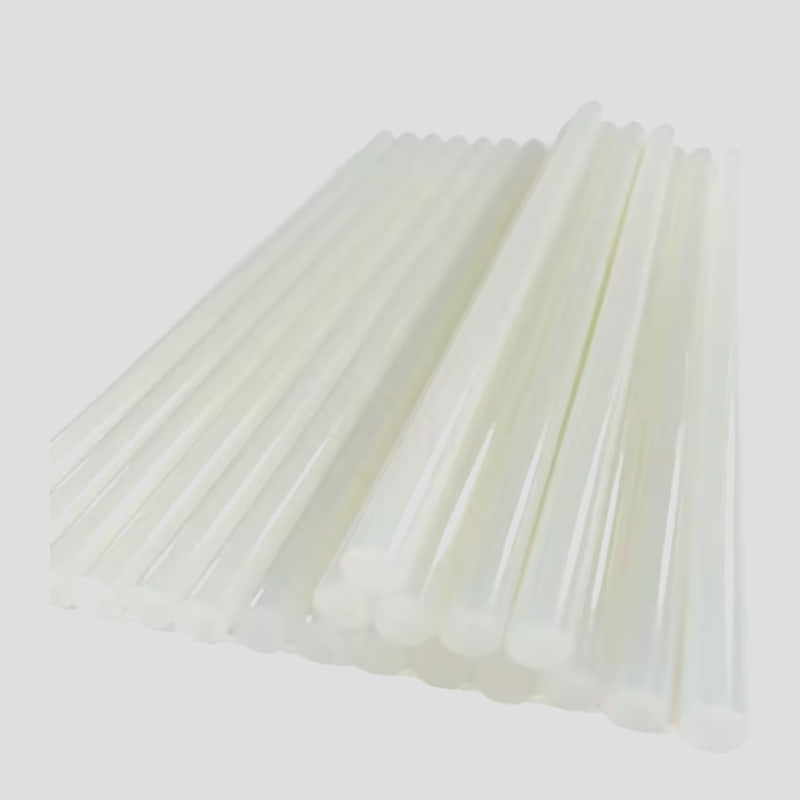
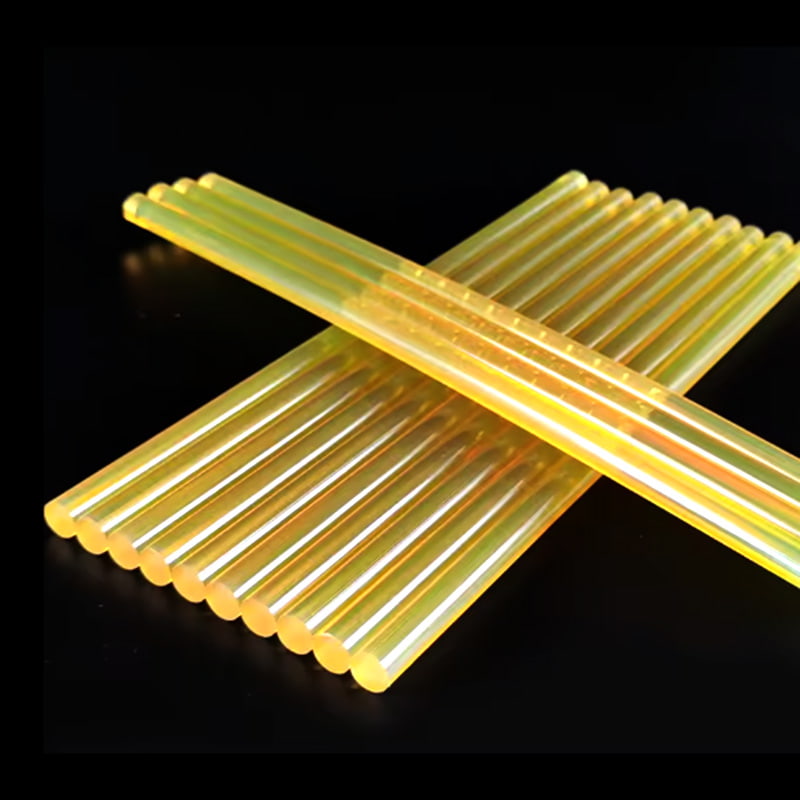
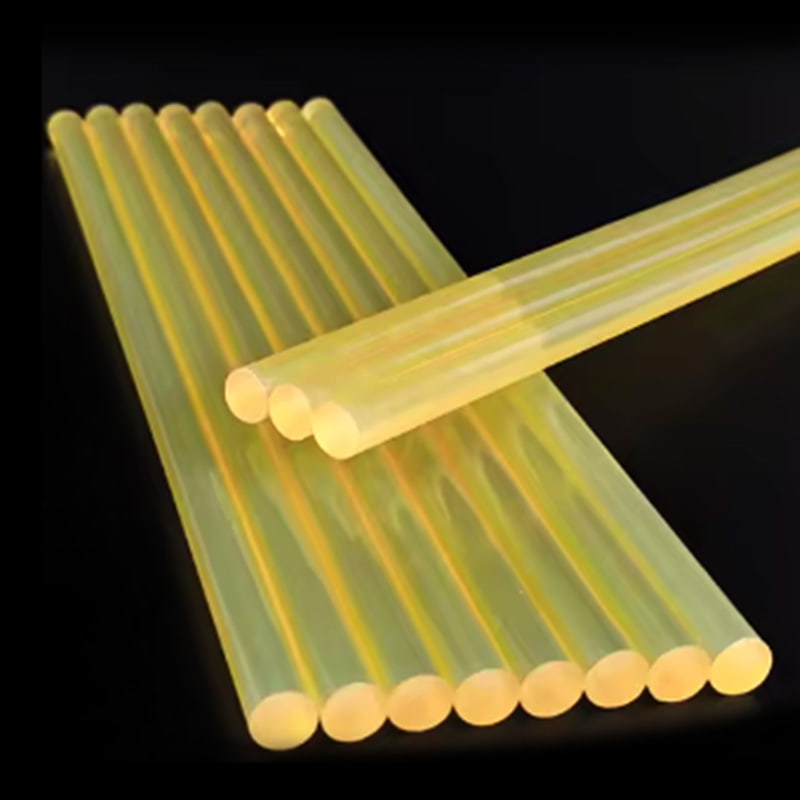
Hot Melt Adhesive Block is commonly applied in centralized melting systems, offering a steady supply for long production runs. It is particularly suitable for large-scale operations where consistency and throughput are priorities.
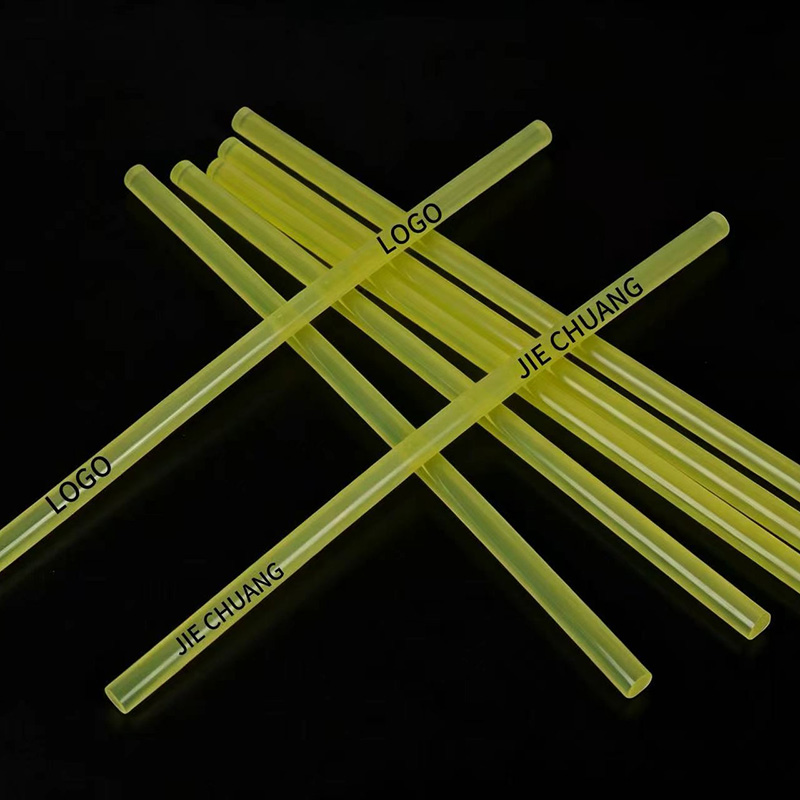
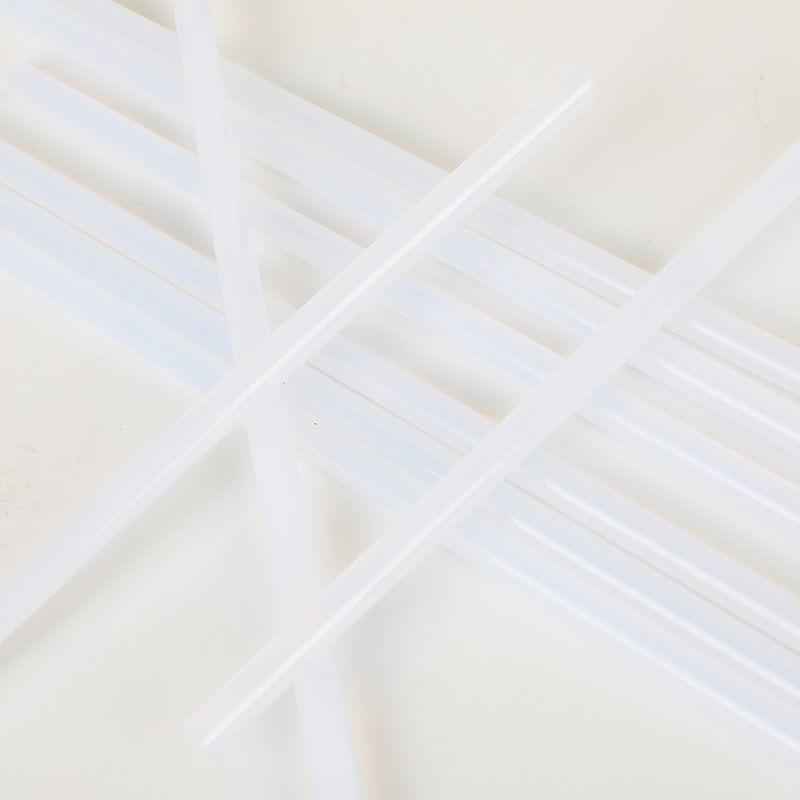
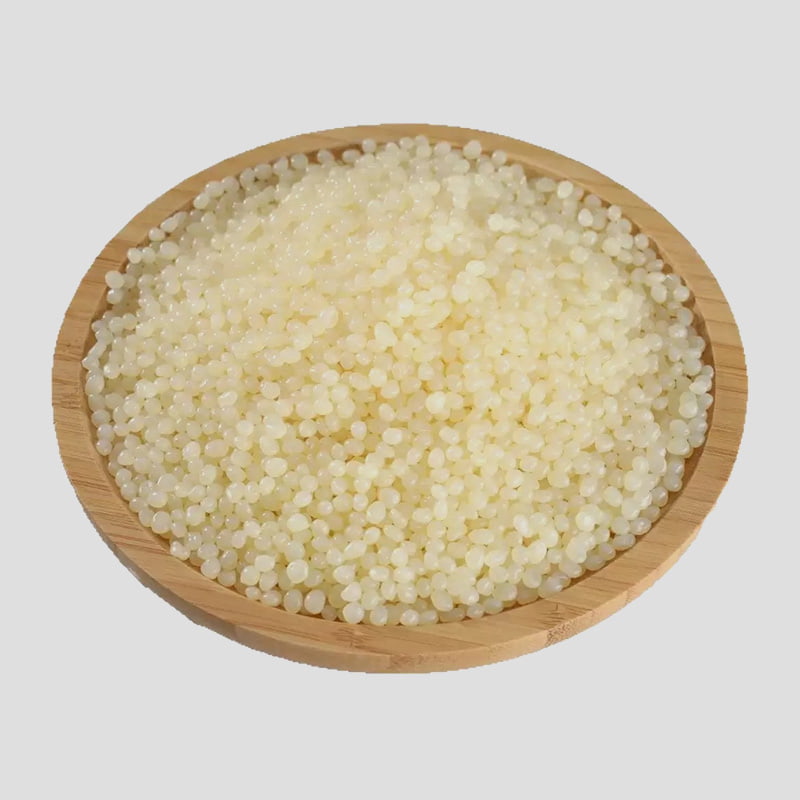
Granular Hot Melt Adhesive is engineered for automated feeding, enabling precise control over application volume. Its uniform particle structure helps reduce waste and improve process stability, especially in modern automated environments.
Performance Advantages for Packaging Applications
Hot melt adhesives are favored for their ability to enhance operational efficiency without complicating the production process:
- Immediate bonding that supports continuous workflows
- Reliable adhesion across various substrates, including coated and laminated materials
- Clean processing without solvent emissions
- Compatibility with a wide range of dispensing equipment
These characteristics make them an effective solution for manufacturers aiming to optimize both speed and product quality.
Application Scenarios Across Industries
The adaptability of hot melt adhesives allows them to be used in multiple sectors:
- Carton sealing and case forming in logistics and retail
- Food packaging assembly requiring fast and secure bonding
- Label attachment for consumer goods
- Decorative and gift packaging applications
- Hygiene and nonwoven product manufacturing
This wide application range highlights their importance in modern industrial processes.
Manufacturer Capability: Zhejiang Jiechuang New Materials Technology Co., Ltd.
From a production perspective, the ability to deliver consistent adhesive performance across different industries depends on both formulation expertise and manufacturing control. Zhejiang Jiechuang New Materials Technology Co., Ltd. has developed its capabilities around this principle since its establishment in 2011.
The company operates as an integrated manufacturer, covering product development, production management, and market supply. Its product range includes hot melt adhesive particles, adhesive blocks, pressure-sensitive adhesives, and PUR-based materials, designed to meet varying industrial requirements.
These solutions are applied in sectors such as packaging, automotive components, sanitary products, and handicrafts, reflecting the company’s focus on versatility and application-driven development. With ongoing participation in international markets, the company continues to adapt its product performance to meet diverse customer expectations.
Material Development and Industry Direction
Ongoing advancements in material science are shaping the evolution of hot melt adhesives. Formulations based on EVA, polyolefin, and PUR are being refined to improve bonding strength, flexibility, and resistance to environmental factors.
At the same time, sustainability considerations are encouraging manufacturers to adopt cleaner production processes and develop materials that align with global environmental standards.
Practical Usage Guidelines for Better Performance
To achieve stable and efficient bonding results, proper application practices are essential:
- Maintain consistent melting temperatures during operation
- Ensure bonding surfaces are clean and properly prepared
- Use suitable equipment for accurate adhesive dispensing
- Store materials under controlled conditions to preserve quality
Attention to these factors helps improve overall production efficiency and product reliability.
Scalable and Efficient Packaging Solutions
As flexible packaging continues to evolve, adhesive technologies play a crucial role in maintaining efficiency and consistency.
By combining fast processing, reliable bonding, and adaptability to automated systems, Hot Melt Adhesive Block and Granular Hot Melt Adhesive provide practical solutions for modern manufacturing environments. Backed by experienced manufacturers, these materials enable global buyers to optimize production while meeting changing market demands.