

 English
 中文简体
中文简体
Author: Jie Chuang
Date: May 08, 2026
Why Are Hot Melt Adhesives Becoming Essential in High-Speed Manufacturing?
As global industries accelerate toward automation and sustainable production, adhesive technologies are undergoing a significant transformation. Products like Hot Melt Adhesive Block and Granular Hot Melt Adhesive are increasingly preferred by overseas buyers, engineers, and manufacturers due to their fast bonding performance and compatibility with modern production lines. With the rise of e-commerce packaging, hygiene products, and automotive assembly, hot melt solutions are now seen as critical materials in improving operational efficiency and environmental compliance.
Market Trends Driving Adoption
The rapid expansion of e-commerce logistics and fast-moving consumer goods has created a strong demand for adhesives that can keep pace with high-speed production. At the same time, global regulations are encouraging manufacturers to adopt cleaner and more sustainable materials.
Hot melt adhesives, known for their solvent-free composition and quick setting characteristics, are well aligned with these trends. Buyers today are not only looking for bonding strength, but also consistency, efficiency, and environmental responsibility.
Product Forms and Application Efficiency
From a production standpoint, adhesive form directly impacts workflow efficiency.
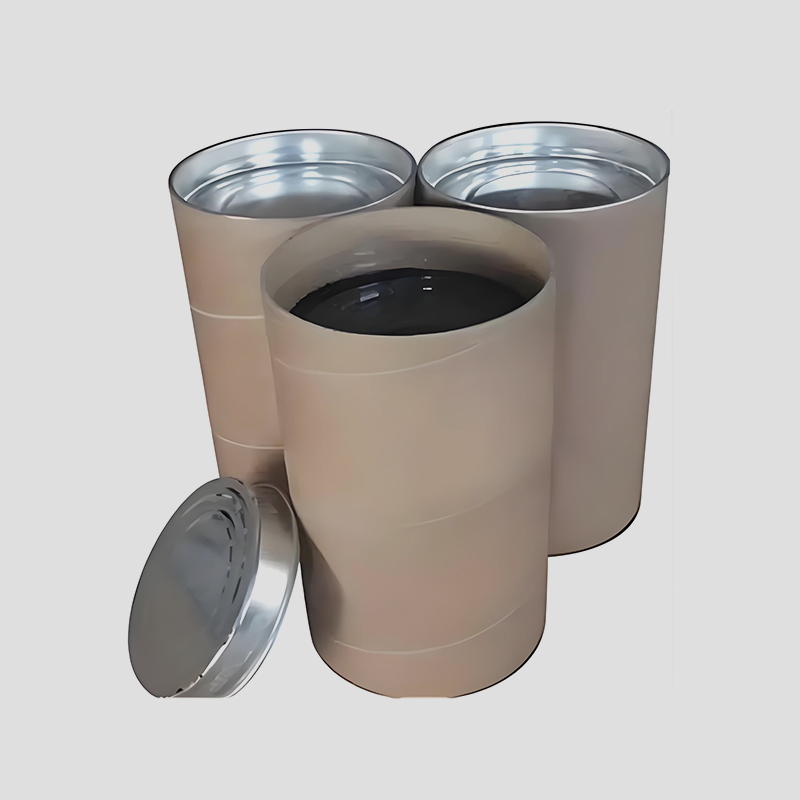
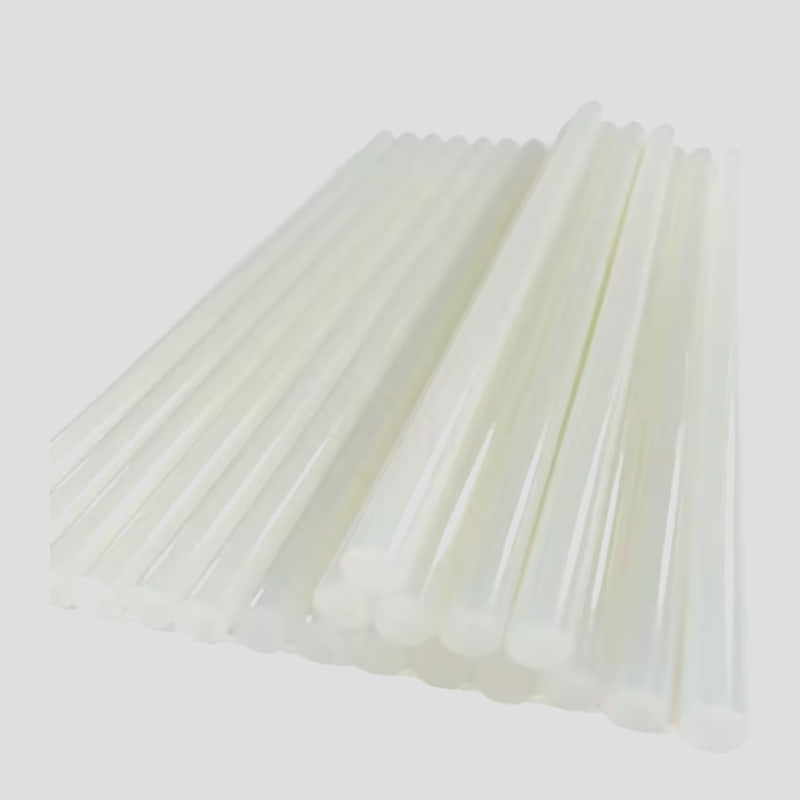
Hot Melt Adhesive Block is typically used in large-scale operations where continuous melting systems are applied. It supports stable output and is suitable for high-volume industrial use.
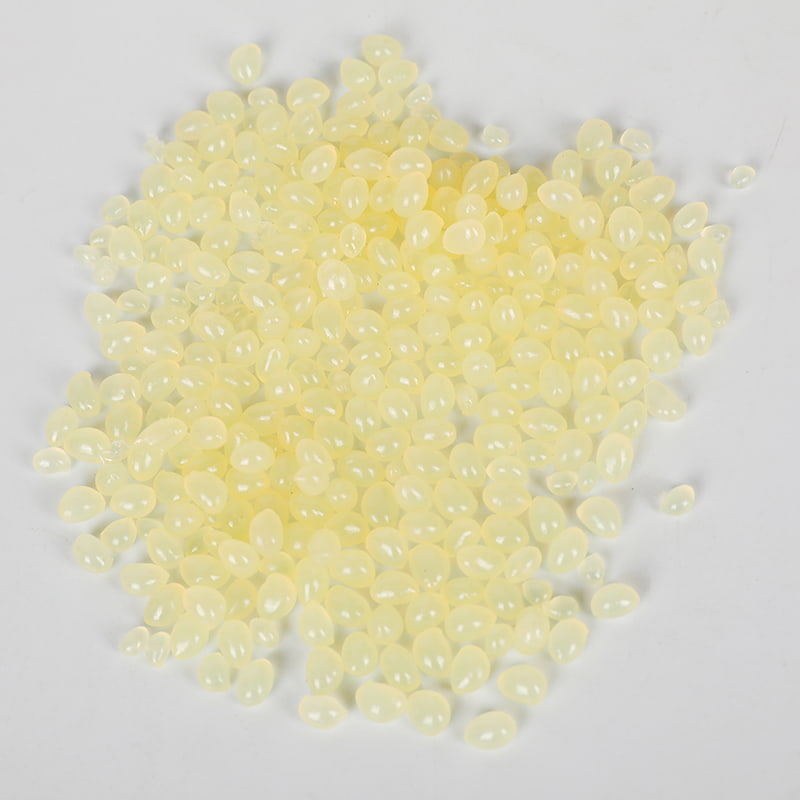
Granular Hot Melt Adhesive is designed for automated feeding systems, offering better dosing control and reduced material waste, making it ideal for precision-driven production lines.
Selecting the right form depends on equipment configuration, production speed, and application requirements.
Performance Advantages in Industrial Use
Hot melt adhesives provide several advantages that support modern manufacturing processes:
- Fast bonding without drying time, improving throughput
- Strong adhesion across multiple substrates, including paper, plastics, and textiles
- Clean processing with minimal emissions
- Compatibility with automated systems
These features make them particularly suitable for industries where efficiency and consistency are critical.
Application Scenarios Across Industries
Hot melt adhesives are widely used in diverse industrial sectors:
- Packaging: Carton sealing, labeling, and assembly
- Sanitary Products: Diapers, hygiene materials, and medical disposables
- Automotive Components: Interior bonding and part assembly
- Handicrafts and Gift Packaging: Precision bonding for decorative products
- Bags and Luggage: Structural bonding for durability
This versatility allows manufacturers to meet the needs of multiple industries with a single adhesive technology platform.
Manufacturer Insight: Zhejiang Jiechuang New Materials Technology Co., Ltd.
From a manufacturer’s perspective, product consistency and formulation expertise are key to long-term success. Zhejiang Jiechuang New Materials Technology Co., Ltd., established in 2011, focuses on environmentally friendly hot melt adhesive solutions by integrating R&D, production, and sales into a unified system.
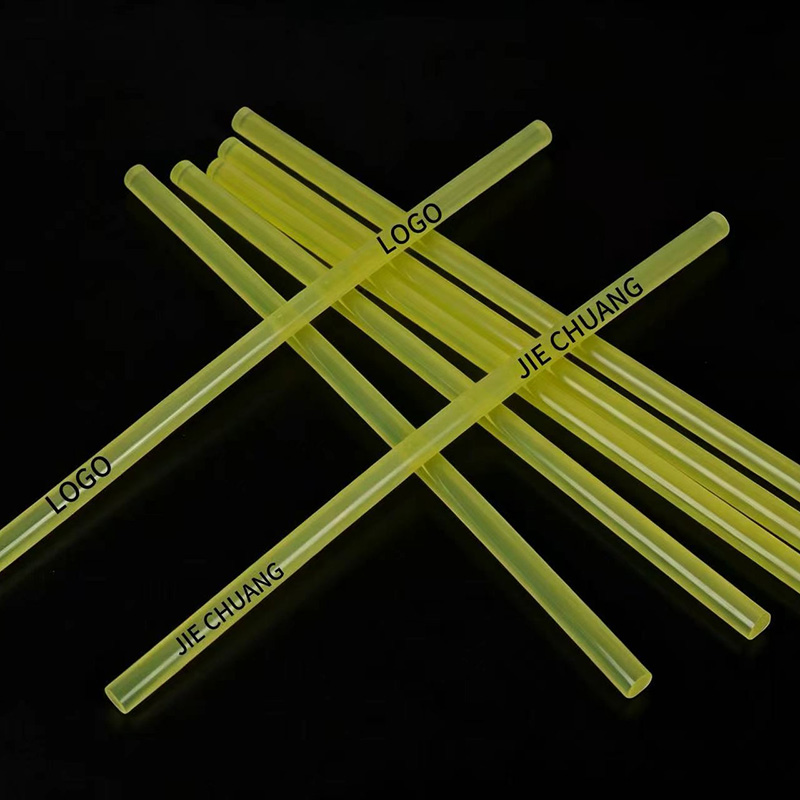
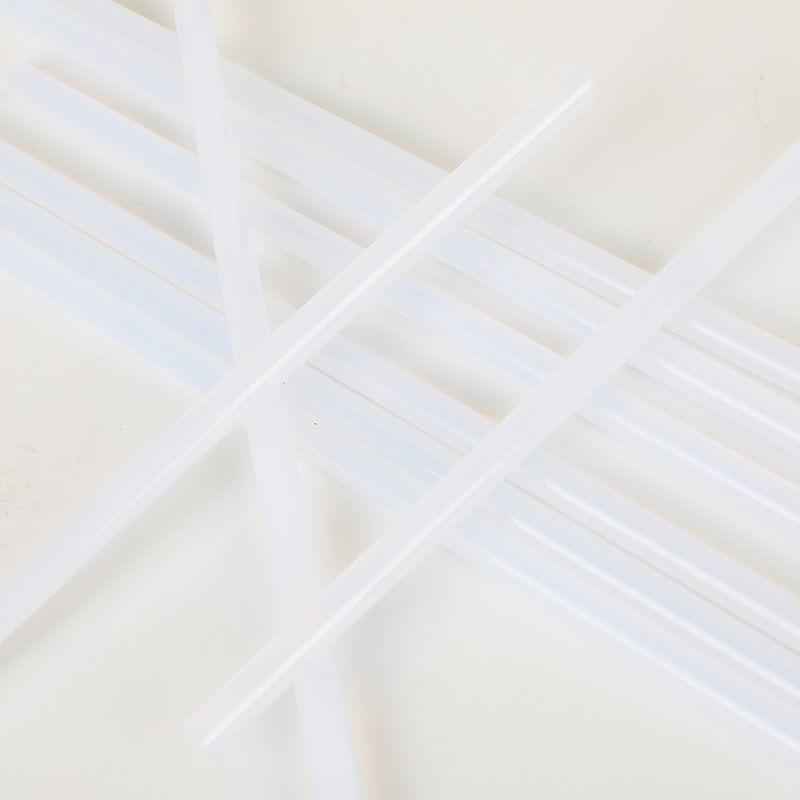
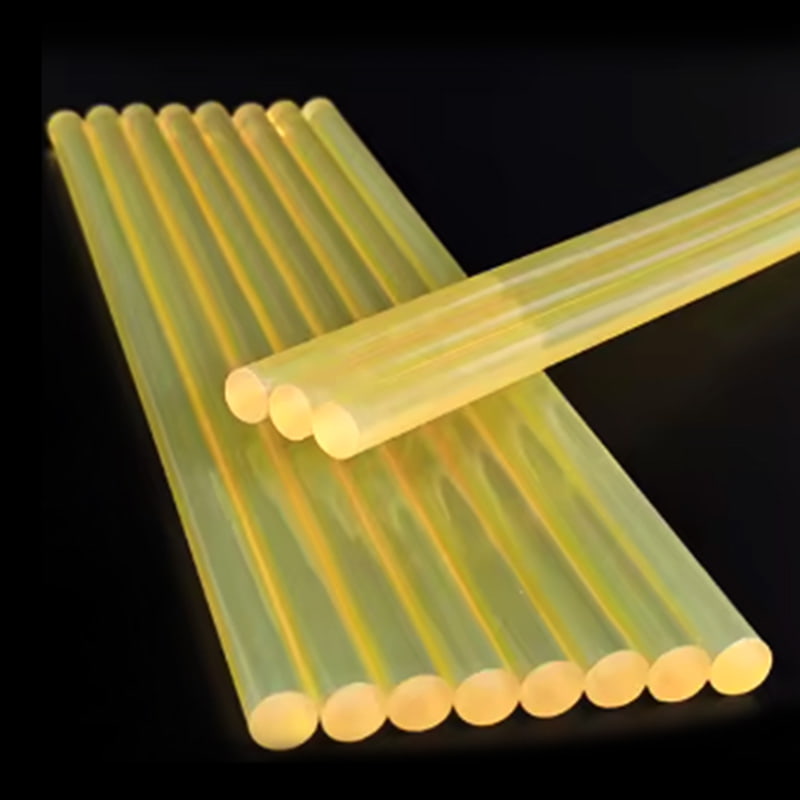
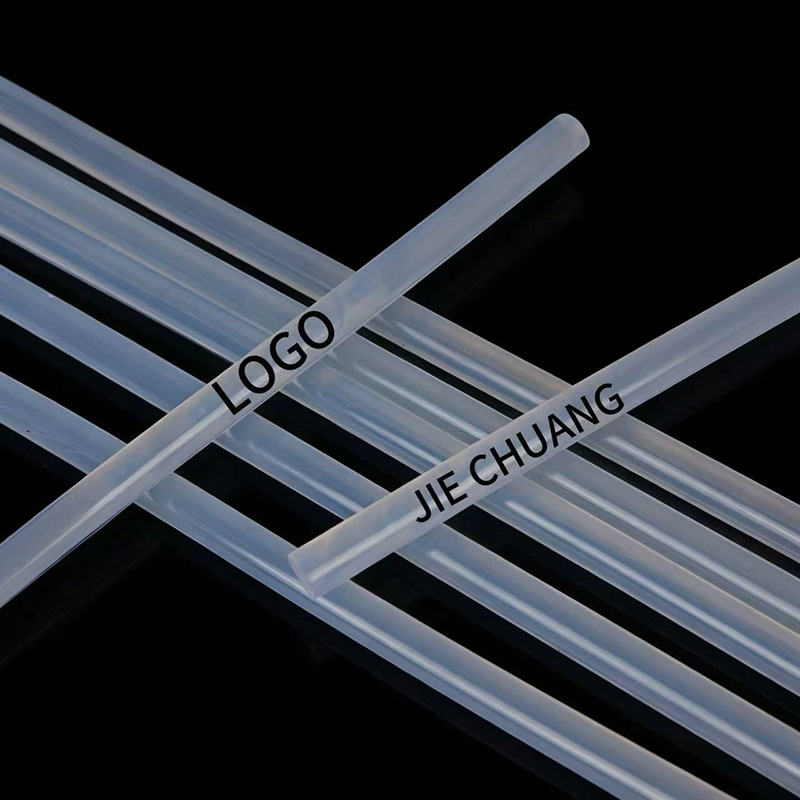
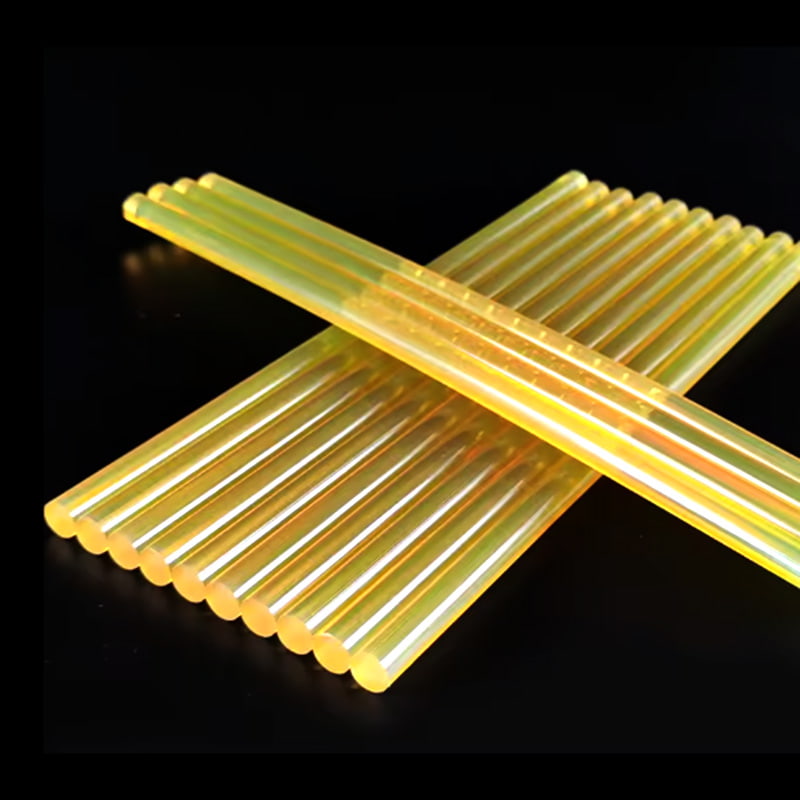
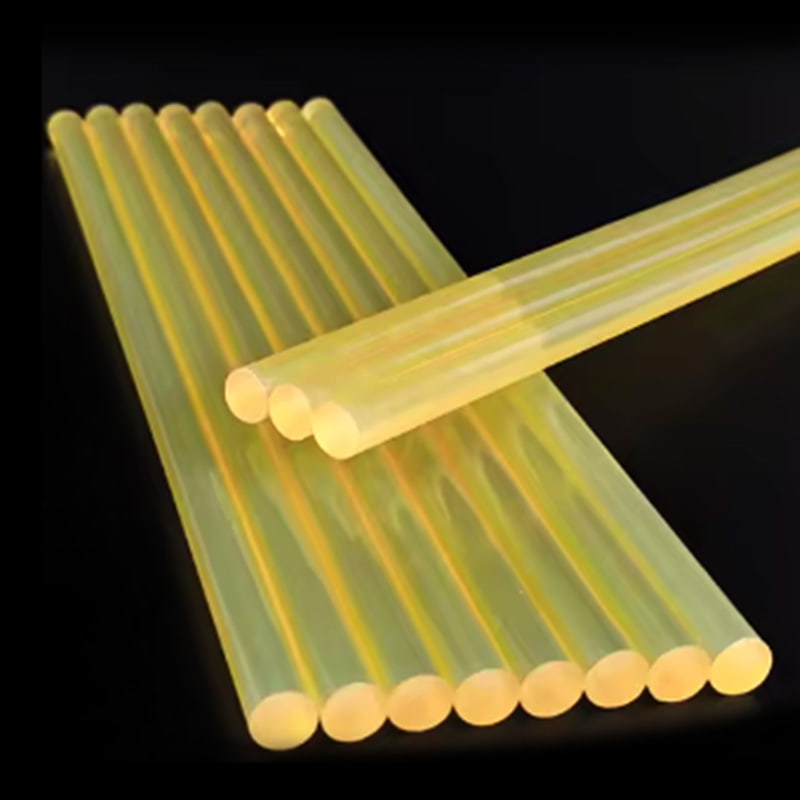
The company’s product portfolio includes hot melt adhesive sticks, particles, pressure-sensitive adhesives, adhesive blocks, and PUR-based solutions. These products are widely applied in industries such as gift packaging, handicrafts, automotive parts, sanitary products, and chassis bags, supporting both standard and customized production needs.
With ongoing exports to international markets, the company emphasizes stable quality, adaptable formulations, and responsiveness to evolving industry requirements.
Material Development and Industry Direction
Material innovation continues to shape the future of hot melt adhesives. Manufacturers are refining formulations based on EVA, polyolefin, and PUR technologies to improve bonding strength, flexibility, and thermal resistance.
At the same time, there is growing interest in environmentally responsible materials that reduce environmental impact without compromising performance. This direction reflects broader changes in global supply chains.
Practical Usage and Handling Tips
To ensure optimal adhesive performance, proper application practices should be followed:
- Maintain appropriate melting temperatures to preserve material properties
- Ensure substrates are clean and dry before bonding
- Use compatible equipment for consistent adhesive flow
- Store materials in controlled environments to prevent contamination
Attention to these details helps maintain stable bonding results and improves production efficiency.
Supporting Efficient and Sustainable Manufacturing
As industries continue to demand faster, cleaner, and more reliable bonding solutions, hot melt adhesives are becoming an essential part of modern production systems.
With their versatility and performance advantages, Hot Melt Adhesive Block and Granular Hot Melt Adhesive provide practical solutions for a wide range of applications. Supported by manufacturers like Zhejiang Jiechuang New Materials Technology Co., Ltd., these materials are helping global buyers achieve both operational efficiency and long-term product reliability.