

 English
 中文简体
中文简体
Author: Jie Chuang
Date: Aug 14, 2026
What Happens If Low-Temperature Adhesive Is Used In A High-Temp Glue Gun
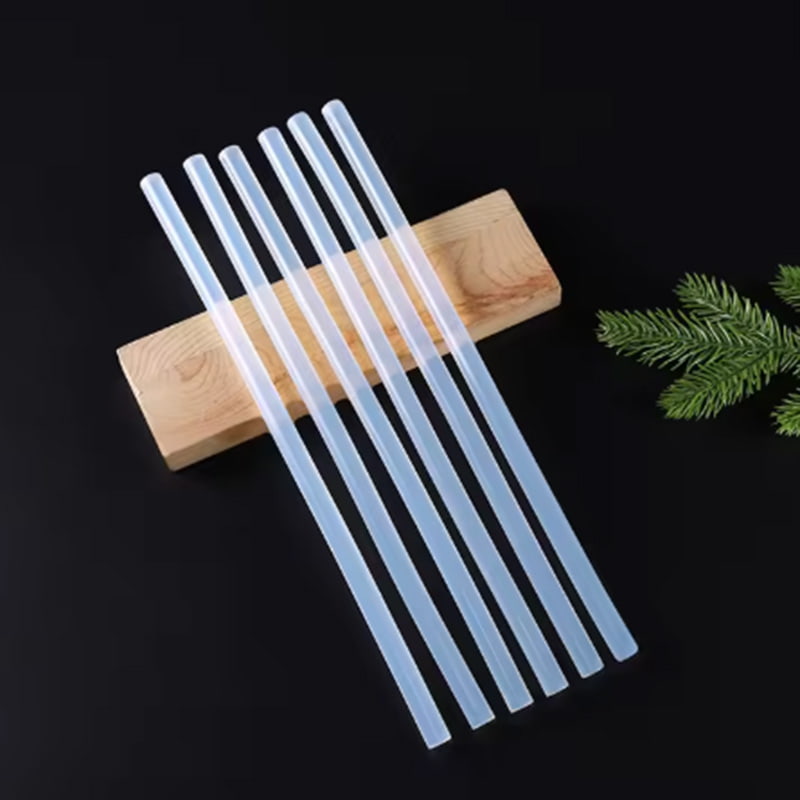
Glue guns are often categorized as either low-temperature, high-temperature, or dual-temperature models. Because many glue sticks look nearly identical, users sometimes wonder whether a low temperature hot melt adhesive can simply be loaded into a high-temperature glue gun. The short answer is that it may melt and dispense, but the results are not always ideal.
Performance depends on adhesive formulation, operating temperature, equipment design, and the bonded material. Running a low-temperature adhesive above its recommended application range may shorten working time, change viscosity, increase stringing, or even reduce long-term bond quality. Several adhesive manufacturers recommend matching glue sticks with the appropriate applicator temperature whenever possible.
Why Temperature Compatibility Matters
Every hot melt adhesive is formulated to reach its intended viscosity within a specific temperature range. Heating well beyond that range changes how the adhesive flows and behaves during application.
| Glue Type | Recommended Application Temperature | Typical Glue Gun |
| Low Temperature | 120–150°C | Low-temp or dual-temp |
| Standard Hot Melt | 160–190°C | High-temp or dual-temp |
| Industrial Hot Melt | 180–200°C | Industrial applicator |
Technical documentation indicates that low-temperature glue sticks generally melt around 127–132°C, while conventional high-temperature systems commonly operate near 190°C.
Possible Changes During Application
A low temperature hot melt adhesive normally becomes more fluid inside a hotter applicator.
This may create several noticeable changes.
Lower Viscosity
The adhesive flows more easily through the nozzle, producing a thinner glue bead than expected.
Longer Glue Strings
Excessively fluid adhesive is more likely to create unwanted strings between dispensing points, especially during continuous production.
Shorter Working Time
Although the glue exits the nozzle hotter, the adhesive chemistry is still designed for lower-temperature operation. Open time may become less predictable depending on the substrate.
Potential Effects on Bond Quality
Using a hotter glue gun does not automatically produce a stronger bond.
| Possible Result | Explanation |
| More adhesive flow | Lower viscosity at higher temperature |
| Additional stringing | Molten adhesive remains fluid longer |
| Reduced dimensional control | Glue spreads farther than intended |
| Heat-sensitive materials may deform | Substrate receives additional thermal energy |
| Possible adhesive degradation | Continuous overheating may affect polymer stability |
Industry guidance also notes that prolonged overheating inside the glue chamber can accelerate oxidation and thermal degradation of certain hot melt formulations.
Materials That May Be Affected
Some substrates tolerate elevated adhesive temperature well, while others are far more sensitive.
- Expanded polystyrene (EPS)
- Decorative foam
- Thin plastic films
- Lightweight fabrics
- Artificial flowers
These materials are frequently paired with low-temperature adhesives because reduced application heat helps minimize distortion and surface damage.
Equipment May Also Experience Changes
Glue performance is only part of the equation. Higher operating temperatures can also influence the applicator itself.
- Greater adhesive dripping after trigger release
- Additional nozzle residue
- More frequent cleaning requirements
- Faster adhesive consumption during extended operation
Manufacturers generally recommend operating adhesives within their specified temperature range to maintain consistent dispensing characteristics.
Can It Damage the Glue Gun?
Occasional use does not necessarily damage a quality high-temperature glue gun. The greater concern is adhesive performance rather than equipment failure.
However, adhesive suppliers caution against routinely mixing glue types and operating temperatures because incorrect combinations may reduce bonding performance or create dispensing problems. Variable-temperature glue guns are often recommended for users working with multiple adhesive formulations.
Typical Technical Characteristics
| Parameter | Typical Value |
| Application Temperature | 120–150°C |
| Melting Range | 127–132°C |
| Open Time | 15–45 seconds |
| Stick Diameter | 7 mm / 11 mm / 12 mm |
| Common Materials | Foam, paper, fabric, plastics |
Specifications vary among manufacturers, making product technical data sheets an important reference before changing operating temperatures.
Practical Recommendations
- Check the recommended application temperature before loading new glue sticks.
- Use dual-temperature glue guns when multiple adhesive types are required.
- Avoid leaving adhesive inside a continuously heated glue gun for extended periods.
- Test bond quality on production materials before full-scale use.
- Clean the nozzle regularly to reduce residue buildup.
Using a low temperature hot melt adhesive in a high-temperature glue gun is sometimes possible, but it is not automatically the ideal combination. Excessive heat can alter viscosity, increase stringing, reduce dispensing control, and expose delicate substrates to unnecessary thermal stress. While the glue gun itself may continue operating normally, adhesive performance can become less predictable over extended use.
Matching adhesive formulation with the appropriate applicator temperature remains one of the simplest ways to achieve stable flow, consistent bond quality, and dependable production results. Technical guidance from adhesive manufacturers continues to support using compatible glue sticks and equipment rather than relying on higher heat as a universal solution.