

 English
 中文简体
中文简体
Author: Jie Chuang
Date: Aug 12, 2026
Low Temperature Hot Melt Adhesive: Is Cooler Always Better
Heat has always been associated with stronger bonding, yet adhesive technology has evolved far beyond that assumption. Today's low temperature hot melt adhesive products are designed to bond many materials while operating at significantly lower application temperatures. Reduced heat helps protect delicate substrates, improves workplace safety, and lowers energy consumption, but cooler does not automatically mean better for every application.
The right adhesive depends on substrate properties, environmental conditions, production speed, and required bond durability. Understanding where low-temperature formulations perform well—and where conventional hot melts remain a better option—helps users achieve more reliable results. Technical references show that low-temperature hot melts are commonly developed for heat-sensitive materials such as foam, plastics, EPS, softwoods, and certain packaging applications.
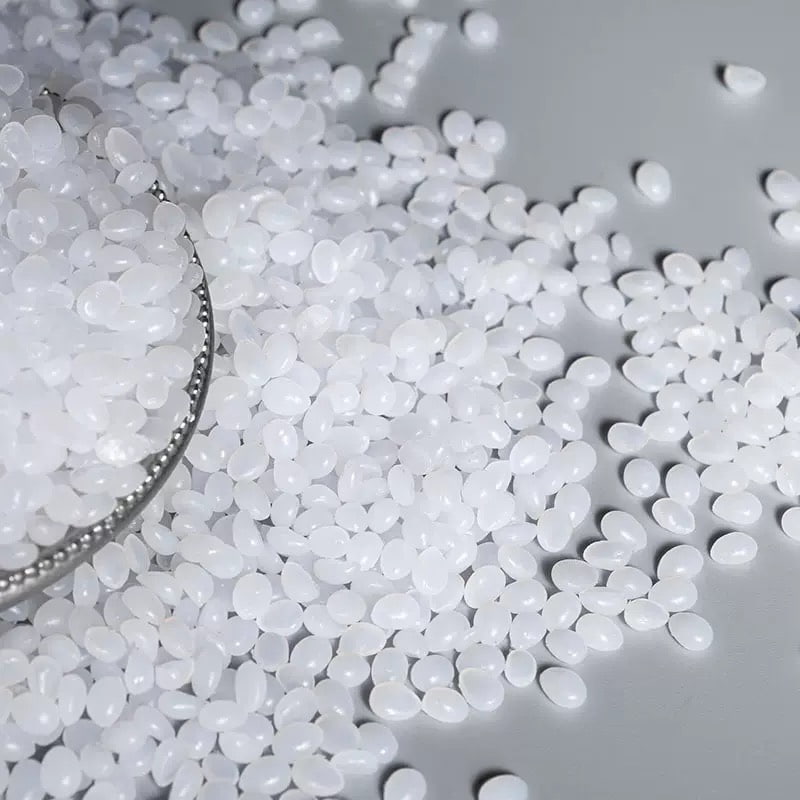
What Makes Low Temperature Hot Melt Adhesive Different?
Unlike conventional hot melt adhesives that typically operate around 160–190°C, low-temperature formulations are engineered to melt and flow efficiently at considerably lower temperatures.
| Adhesive Type | Typical Application Temperature | Suitable Materials |
| Low Temperature | 120–150°C | Foam, fabric, paper, EPS, lightweight plastics |
| Standard Hot Melt | 160–190°C | Wood, cardboard, general plastics |
| Industrial High Temperature | 180–200°C | Metal, engineering plastics, demanding assemblies |
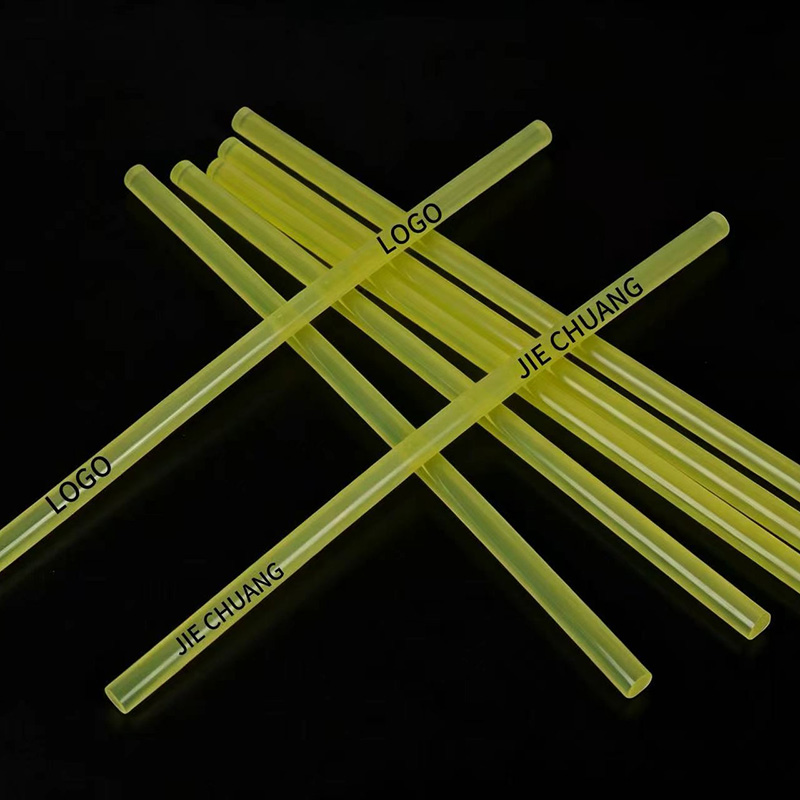
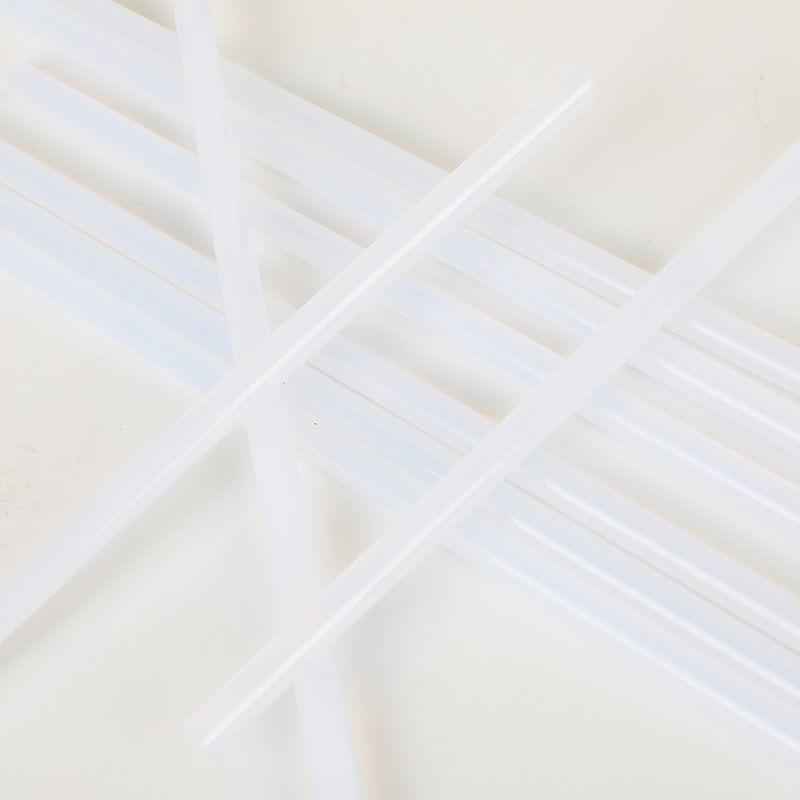
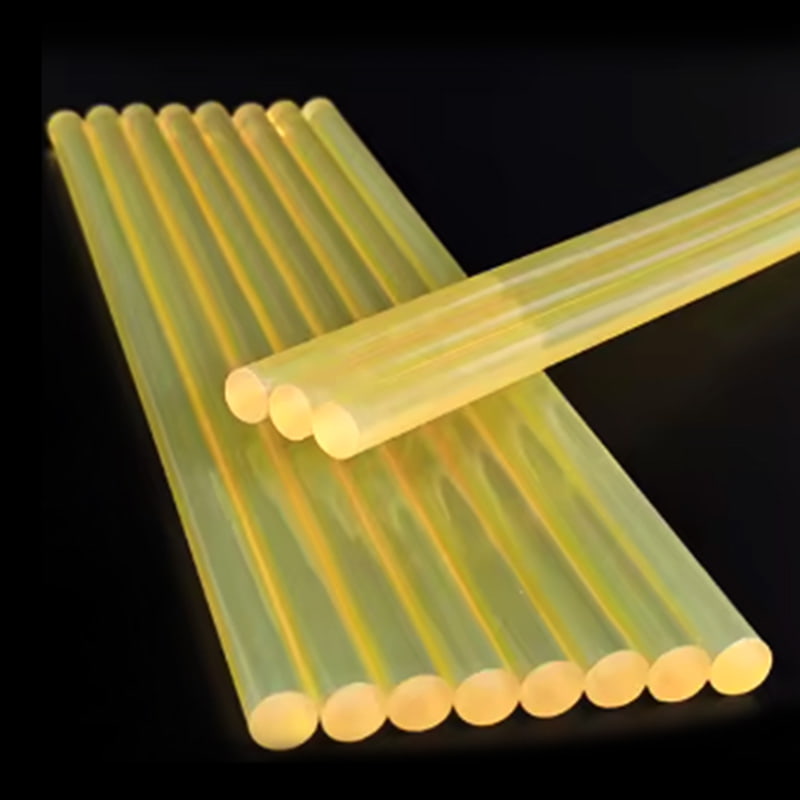
Lower operating temperatures reduce thermal stress on bonded materials while allowing the adhesive to maintain suitable viscosity for application. Product data from industrial manufacturers places many low-melt glue sticks in the 127–132°C operating range.
Applications That Benefit from Lower Heat
Some materials simply cannot tolerate excessive heat during assembly.
Foam Products
Expanded polystyrene (EPS), decorative foam, and insulation materials can soften or deform under traditional hot melt temperatures. A low temperature hot melt adhesive helps preserve surface quality while providing sufficient bond strength for many assembly tasks.
Fabric and Textiles
- Decorative fabrics
- Artificial flowers
- Craft materials
- Lightweight felt
Reduced heat minimizes discoloration, shrinkage, and fiber damage during bonding.
Plastic Components
Thin plastic sheets and decorative films may warp when exposed to excessive application temperatures. Lower-temperature adhesives reduce this possibility while maintaining efficient production speeds.
Advantages Beyond Heat Protection
Lower operating temperature influences more than substrate safety.
| Benefit | Practical Value |
| Lower energy consumption | Reduced electricity usage |
| Reduced burn risk | Improved operator safety |
| Less thermal damage | Suitable for delicate materials |
| Short equipment warm-up | Faster production startup |
| Lower adhesive oxidation | Cleaner equipment over time |
Several manufacturers also note that operating at reduced temperatures decreases adhesive carbonization inside glue equipment, helping reduce maintenance requirements during extended production.
Cooler Temperature Does Not Fit Every Surface
Lower heat is beneficial for sensitive materials, although dense or high-conductivity substrates often demand additional thermal energy to achieve proper wetting.
Examples include:
- Steel
- Aluminum
- Ceramic
- Large glass panels
These materials rapidly absorb heat from molten adhesive. Cooling occurs quickly, reducing the available wetting time before the adhesive solidifies. Technical literature identifies high thermal conductivity substrates as one of the challenges for hot melt bonding.
Bond Strength Depends on More Than Temperature
Temperature is only one part of adhesive performance.
Reliable bonding also depends on:
- Polymer formulation
- Surface cleanliness
- Material compatibility
- Application pressure
- Cooling conditions
An adhesive operating at 130°C can outperform another applied at 190°C when the formulation better matches the substrate.
Typical Technical Specifications
| Parameter | Typical Value |
|---|---|
| Application Temperature | 120–150°C |
| Open Time | 15–45 seconds |
| Stick Diameter | 7 mm / 11 mm / 12 mm |
| Warm-Up Time | 5–10 minutes |
| Recommended Materials | Foam, paper, fabric, EPS, plastics |
Actual specifications vary by manufacturer, adhesive chemistry, and equipment design, making technical data sheets valuable before product selection.
Common Misunderstandings
Lower Temperature Means Weaker Bond
Not necessarily. Modern formulations are developed to maintain suitable bonding performance within their intended applications.
One Adhesive Fits Every Material
Different substrates have unique surface energy, texture, and thermal conductivity. Material compatibility remains an important consideration.
Higher Heat Always Improves Adhesion
Excessive temperature may damage delicate materials without providing additional bonding benefits.
Practical Tips for Better Results
- Keep substrates clean and dry before bonding.
- Allow the glue gun to reach its recommended operating temperature.
- Apply consistent pressure during assembly.
- Avoid unnecessarily thick adhesive layers.
- Store adhesive sticks in a dry environment.
Following manufacturer-recommended temperatures generally produces more consistent results than increasing heat beyond specification.
A low temperature hot melt adhesive offers significant advantages for bonding heat-sensitive materials, improving operator safety, and reducing energy use. Those benefits, however, do not make it the universal solution for every application. Dense metals, large glass components, and demanding structural assemblies may require higher-temperature formulations designed for greater thermal resistance and longer working time.
Evaluating substrate type, operating environment, required bond performance, and equipment compatibility together provides a more reliable approach than focusing on temperature alone. Cooler application can be highly effective, provided the adhesive formulation matches the demands of the job.