

 English
 中文简体
中文简体
Author: Jie Chuang
Date: Aug 01, 2025
What Are the Ingredients of Hot Melt Adhesive?
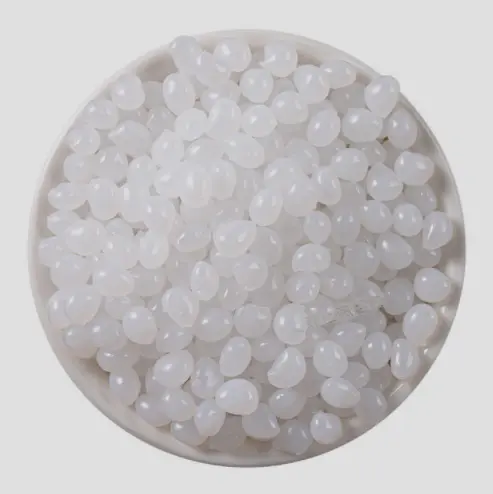
Hot melt adhesives are typically composed of the following components:
-
Base Polymer (30–50%)
The backbone of the adhesive, determining strength, flexibility, and thermal resistance. Common types include:-
EVA (Ethylene Vinyl Acetate)
-
APAO (Amorphous Poly-Alpha-Olefins)
-
Polyamides
-
Polyesters
-
Polyurethanes (for PUR HMAs)
-
-
Tackifiers (30–50%)
These improve adhesion and wetting. Typical tackifiers include:-
Hydrocarbon resins
-
Rosin esters
-
Terpene resins
-
-
Plasticizers (0–20%)
Enhance flexibility and reduce viscosity. Examples:-
Mineral oils
-
Phthalates
-
-
Waxes (0–15%)
Used to control setting time and improve processing. -
Stabilizers & Antioxidants (0.1–1%)
Prevent degradation during processing and shelf life.
How Is Hot Melt Adhesive Made?
The production of hot melt adhesive involves thermal mixing and extrusion. Here’s a step-by-step overview:
Step 1: Ingredient Weighing and Pre-mixing
Raw materials are accurately weighed and dry-mixed to ensure even distribution.
Step 2: Melting and Homogenization
The blend is transferred into a heated mixer or extruder, typically at 120–180°C (248–356°F), depending on the polymer type. Here, materials are melted and thoroughly mixed to form a uniform compound.
Step 3: Extrusion and Pelletizing
The molten adhesive is extruded into strands, cooled on a water bath or conveyor, and then cut into pellets or granules for packaging.
Step 4: Cooling and Packaging
The final adhesive is cooled and packed in moisture-resistant bags or containers, ready for industrial application.
Quality Control Measures
To ensure consistent performance, manufacturers test for:
- Viscosity
- Softening point
- Open time & set time
- Bond strength
- Thermal stability
Can You Make Hot Melt Adhesive at Home?
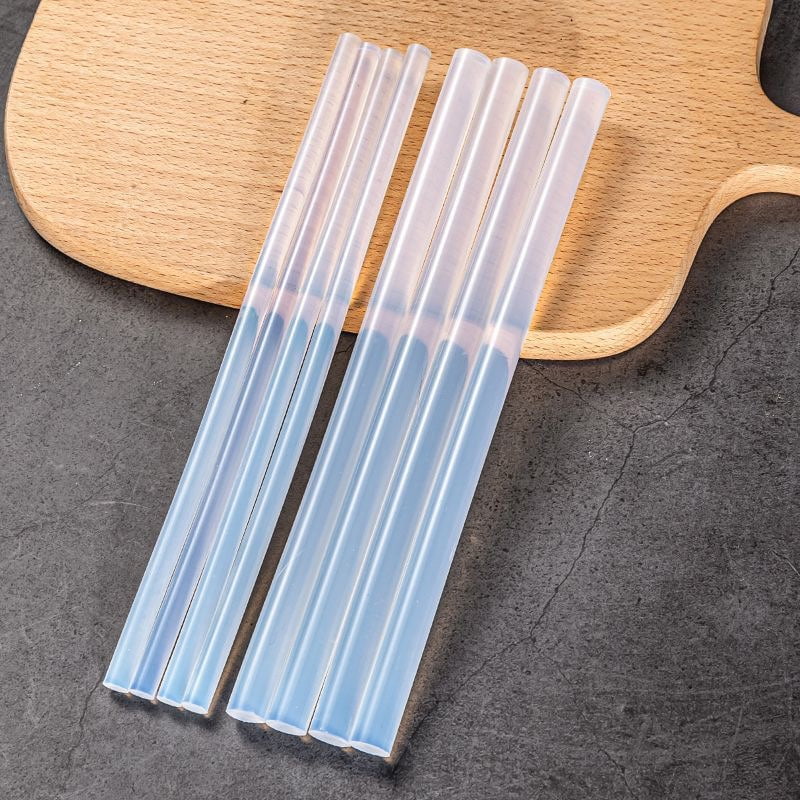
While technically possible on a small scale using EVA pellets and rosin, industrial-grade hot melt adhesives require precise temperature control, chemical handling, and mixing equipment. For safety and quality reasons, DIY production is not recommended for commercial use.
Final Thoughts
Making hot melt adhesive is a complex but efficient process involving precise blending of polymers, tackifiers, and additives. Whether you’re a manufacturer or end-user, understanding the production process can help you choose or formulate the right adhesive for your application.
Common Types of Packaging Hot Melt Adhesive
Packaging hot melt adhesives are categorized primarily by their base polymer, which dictates their performance characteristics. The prevalent types include:
Ethylene-Vinyl Acetate (EVA) Adhesives: These are the widely used hot melts in packaging. They offer a reliable balance of adhesion, setting speed, and cost-effectiveness. EVA-based adhesives perform well on porous surfaces like corrugated cardboard and paper, making them suitable for case and carton sealing, as well as basic label applications. Their formulation can be adjusted by altering the vinyl acetate content to improve flexibility or adhesion to specific substrates.
Polyolefin Adhesives: This category includes polypropylene (PP) and polyethylene (PE)-based adhesives. They are known for their good thermal stability and resistance to ultraviolet light. A key advantage is their strong adhesion to non-porous and difficult-to-bond substrates, such as certain treated films and plastics used in flexible packaging. They are often selected for more demanding applications where EVA adhesives may not be sufficient.
Polyamide Adhesives: While less common in high-speed, bulk packaging, polyamide hot melts provide exceptional heat resistance and strong bonding to a variety of materials, including metals and some plastics. Their use is typically reserved for specialty packaging or product assembly where the final package may be exposed to elevated temperatures during transport or storage.
Pressure-Sensitive Adhesives (PSAs): These adhesives are formulated to remain permanently tacky after cooling. They are essential for applications requiring a removable or repositionable bond, such as certain labels, security seals, and tapes. Unlike standard hot melts that bond through solidification, PSAs bond through surface contact and light pressure.
Differences Between Transparent Hot Melt Adhesives and Others
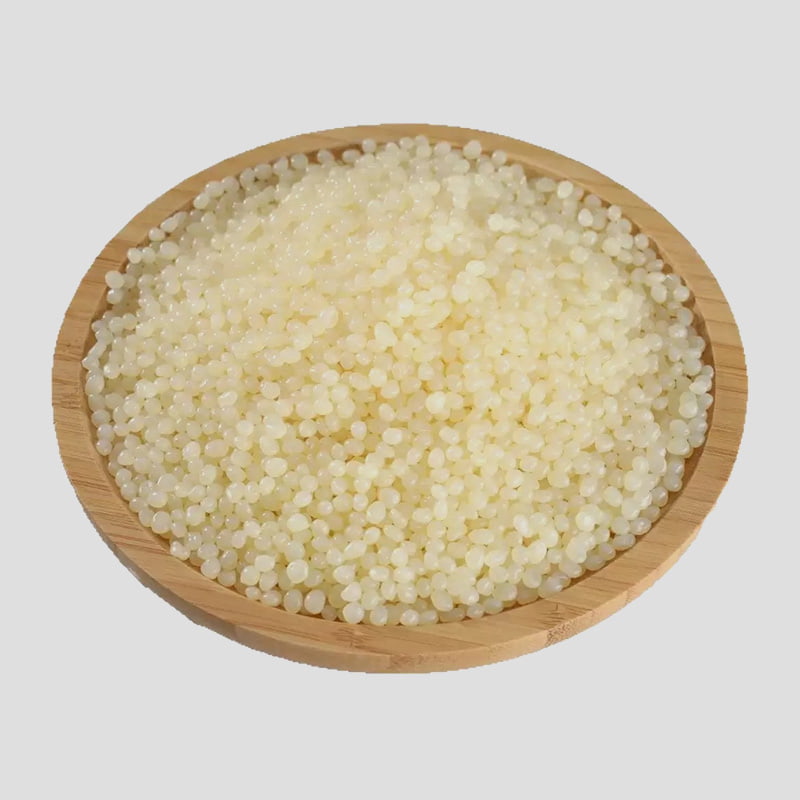
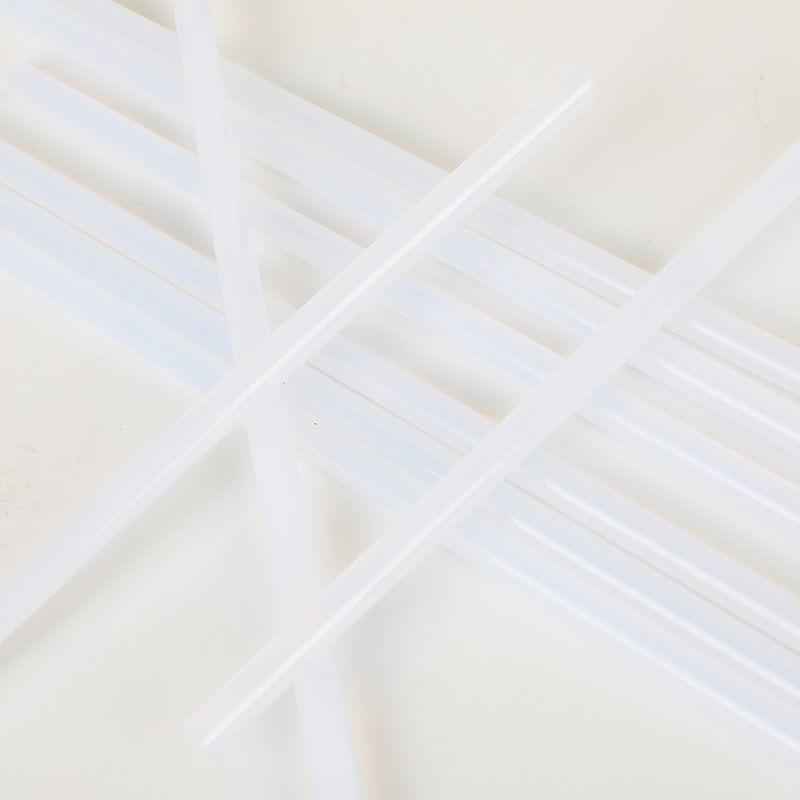
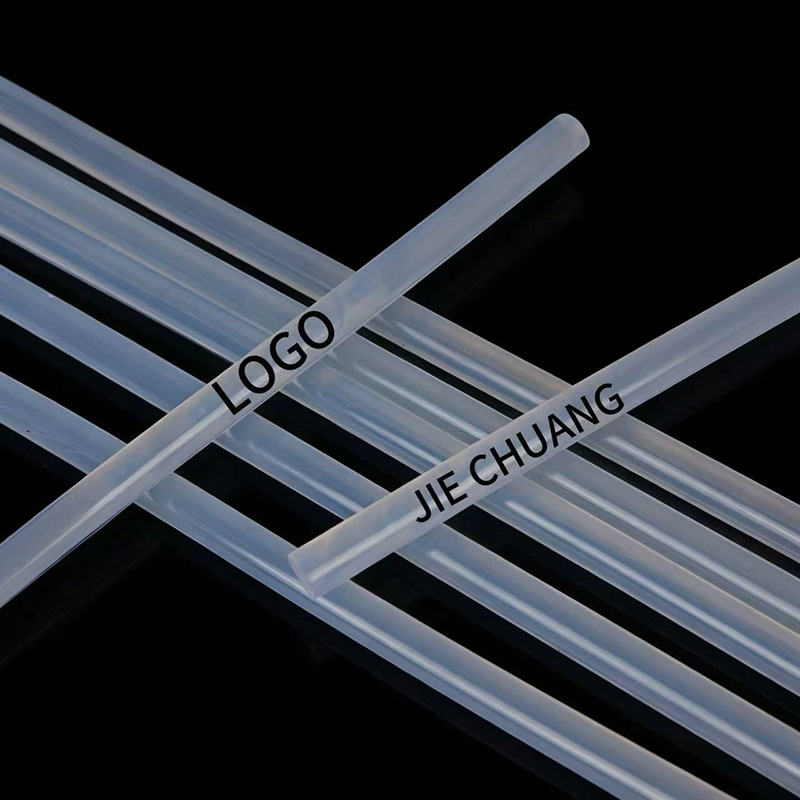
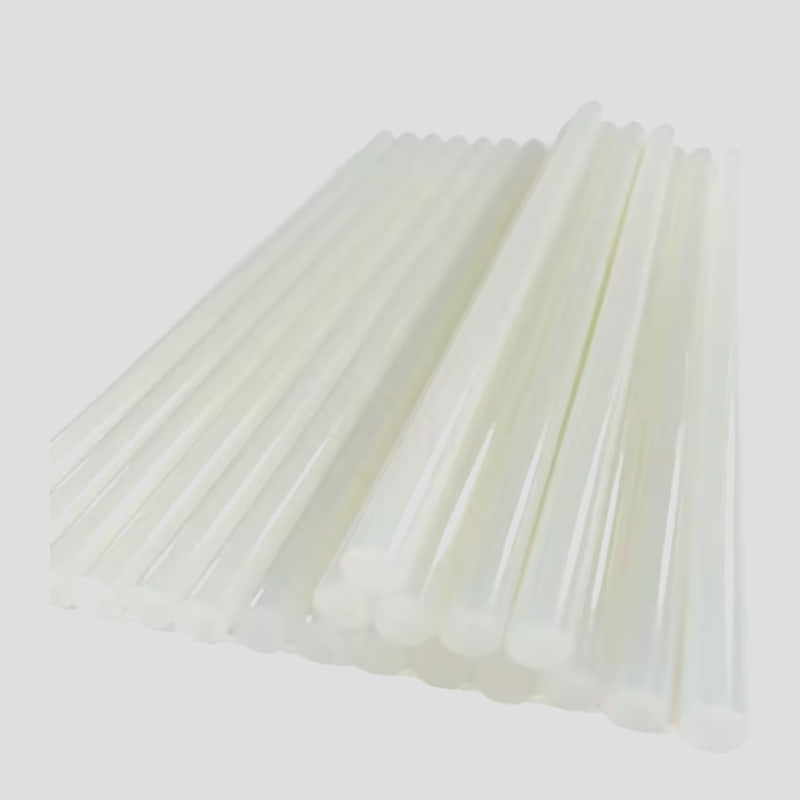
Transparent hot melt adhesives are formulated to meet aesthetic and functional needs where clarity is important. Their primary difference from standard opaque or colored hot melts lies in their composition and resulting properties, as summarized below.
|
Feature |
Transparent Hot Melt Adhesives |
Standard (Opaque/Colored) Hot Melt Adhesives |
|
Primary Composition |
Often based on styrenic block copolymers (SBCs), pure polyolefins, or specially formulated EVAs with compatible, clear tackifiers. |
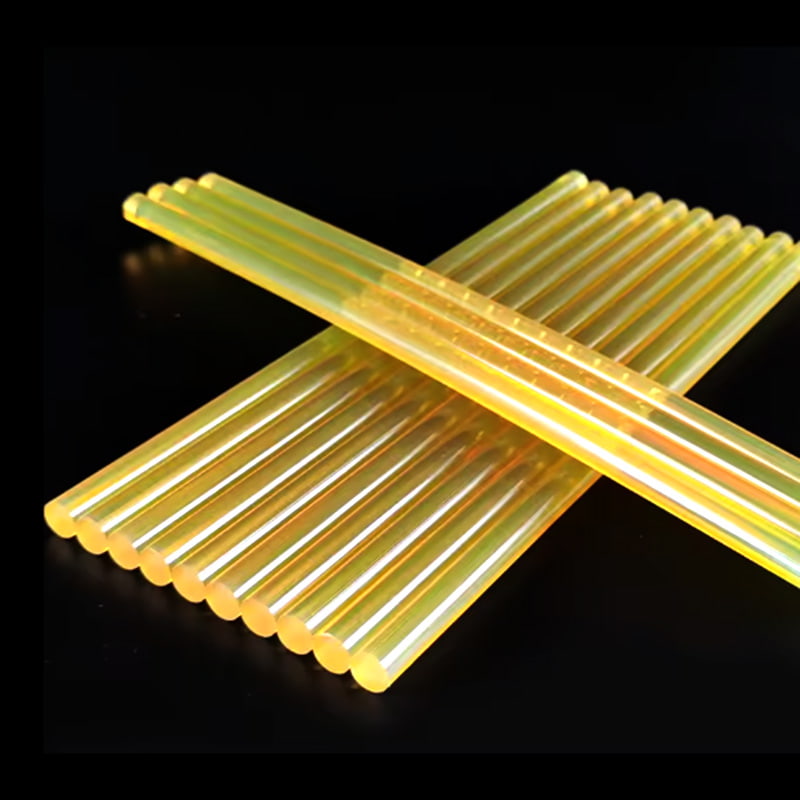
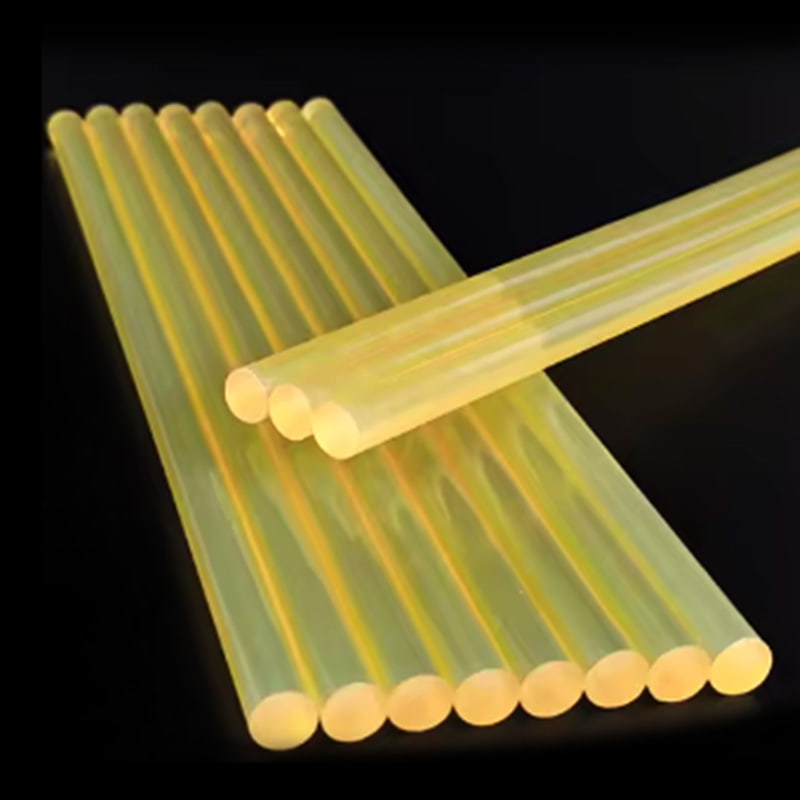
Commonly based on standard EVA, which often contains additives or resins that impart a yellow or amber hue. |
|
Key Visual Property |
High optical clarity; minimal color. Allows for "invisible" bonding or does not detract from package aesthetics. |
Typically possess an amber, yellow, or off-white color. The bond line is visible. |
|
Common Applications |
Clear packaging assembly (e.g., blister packs, DVD/CD cases), bonding transparent films, premium product labeling where adhesive appearance matters. |
General carton sealing, corrugated box assembly, standard labeling, and other applications where aesthetics are secondary to bond strength and speed. |
|
Performance Notes |
May have a different thermal stability and adhesion profile compared to general-purpose EVAs. Some offer good flexibility. |
Performance is highly tailored to the base polymer (EVA, Polyolefin, etc.), with a focus on functional properties like set speed and substrate grip. |
|
Cost Consideration |
Often involves a cost premium due to specialized raw materials and formulation for clarity. |
Generally represents the cost-effective option for standard industrial packaging tasks. |
Characteristics and Advantages of Environmentally Friendly Hot Melt Adhesive
The development of environmentally friendly hot melt adhesives reflects a broader shift toward sustainable manufacturing. These products are designed to reduce environmental impact without compromising performance, and they offer several distinct characteristics.
The primary characteristic is a renewable or bio-based content. Many sustainable hot melts incorporate a significant portion of their raw materials from renewable resources, such as plant-based tackifying resins derived from pine trees or other biomass, rather than relying solely on petroleum-based derivatives. This reduces the consumption of fossil resources.
A second important feature is enhanced end-of-life options. Certain formulations are designed to be more compatible with recycling streams. For instance, some adhesives are developed to break down or dissolve during the paper pulping process, reducing contamination and improving the quality of recycled paper fibers. Others may be compostable under industrial conditions, offering an alternative disposal pathway for compatible packaging.
From a user perspective, these adhesives often provide improed workplace conditions. Like all hot melts, they are solvent-free, but many environmentally preferred formulations also focus on using raw materials with lower environmental and toxicological concerns. This can contribute to a better indoor air quality profile and align with corporate sustainability and safety goals.
The advantages are practical. For manufacturers, using these adhesives can help meet corporate social responsibility targets, comply with evolving regulations, and respond to consumer demand for more sustainable products. They also future-proof operations against potential supply chain volatility associated with petroleum-based feedstocks. While performance must be validated for each application, modern environmentally friendly hot melts are engineered to match the processing speeds and bond integrity required in commercial packaging operations, making them a viable and responsible choice.