

 English
 中文简体
中文简体
Author: Jie Chuang
Date: Jun 12, 2026
Which Hot Melt Works for Food Packaging
High Quality Hot Melt Adhesive has become a critical material in modern food packaging systems, especially as global demand for safer, regulation-compliant packaging continues to rise. Packaging manufacturers are under increasing pressure to meet strict FDA requirements while still maintaining production efficiency, sealing strength, and cost control.
Food packaging is not only about keeping products sealed; it is also about ensuring that every material used inside the packaging structure meets indirect food contact safety standards. According to FDA guidance, adhesives used in food packaging are classified as food contact substances and must comply with approved material lists, migration limits, and Good Manufacturing Practice (GMP) requirements to ensure consumer safety.
Food Packaging Safety Expectations
Food manufacturers and packaging converters now prioritize adhesive systems that meet regulatory expectations for indirect food contact materials. Hot melt systems are widely used because they can be engineered for controlled application, fast curing, and stable bonding under temperature variation.
High-quality hot-melt adhesive used in food packaging typically supports:
- Indirect food contact compliance under FDA 21 CFR 175.105
- Low migration performance to prevent contamination risk
- Strong bonding on paperboard, PET film, and laminated structures
- Stable thermal resistance during storage and transport
Food contact substances must be carefully evaluated because any component that may migrate into food must comply with regulatory clearance or approved usage conditions.

Regulatory Framework Behind Food-Grade Adhesives
Adhesives used in food packaging are not treated as ordinary industrial materials. They fall under strict regulatory oversight.
Key FDA-related requirements include:
- Formulation based on approved substances listed in federal regulations
- Use in conditions where food exposure is controlled or prevented by barriers
- Compliance with trace migration limits at sealing edges and laminations
- Manufacturing under Good Manufacturing Practice (GMP) rules
Under 21 CFR 175.105, adhesives may be safely used in food packaging if they meet specific composition rules and are applied in a way that prevents direct contamination of food.
This framework ensures that High Quality Hot Melt Adhesive is not only a performance material but also a compliance-driven component of the packaging structure.
Technical Features of Food-Grade Hot Melt Adhesive
Modern food packaging lines require adhesives that balance safety compliance with high-speed production performance.
Typical technical characteristics include:
- Operating temperature: 110°C – 180°C depending on formulation
- Open time: 2–15 seconds for high-speed carton sealing
- Viscosity range: 800 – 5000 mPa·s for precise coating control
- Solid content: nearly 100% (solvent-free system)
- Setting speed: instant bonding after cooling
High Quality Hot Melt Adhesive is often based on EVA, polyolefin, or pressure-sensitive polymer systems. These formulations are designed to minimize volatile residues and reduce the risk of migration under heat or long-term storage conditions.
Application Areas in Food Packaging
Food-safe hot melt adhesives are widely used across multiple packaging formats, each requiring specific performance characteristics.
Common applications include:
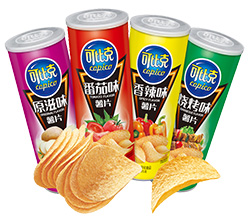
- Folding carton sealing for cereals, snacks, and bakery products
- Laminated flexible packaging for frozen and chilled foods
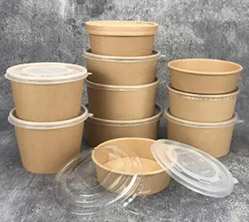
- Paper-based food trays and takeaway containers
- Label bonding for bottled beverages and jars
- Edge sealing in multi-layer barrier films
Each application requires stable adhesion even under humidity changes, refrigeration, or frozen storage conditions.
Safety Compliance and Migration Control
A key requirement for High Quality Hot Melt Adhesive is controlled migration behavior. Even indirect contact adhesives must be formulated to ensure no harmful substances transfer into food products.
Important compliance considerations include:
- Use of FDA-approved raw materials only
- Full curing to eliminate residual monomers
- Barrier separation between adhesive layer and food contact surface
- Testing under fatty, aqueous, and dry food conditions
Packaging systems must ensure that adhesive components remain stable even under heat sealing or long-term storage environments. Improper formulation can lead to odor transfer or contamination risk, which is strictly prohibited in food packaging applications.
Performance Advantages in Production Lines
Beyond compliance, food manufacturers choose hot melt systems because of their operational advantages:
- Fast processing speeds suitable for automated packaging lines
- Clean application without solvent evaporation
- Reduced downtime due to consistent melting and flow behavior
- Strong initial tack for immediate carton closure
- Long shelf stability under controlled storage conditions
These advantages make High Quality Hot Melt Adhesive a preferred solution in high-volume food packaging production environments.
Food packaging continues to evolve toward higher sustainability and stricter compliance expectations, and food-grade hot melt technology remains a key material supporting that transformation.