

 English
 中文简体
中文简体
Author: Jie Chuang
Date: Jul 17, 2026
What Causes Transparent Hot Melt Glue Sticks to Turn Yellow Over Time
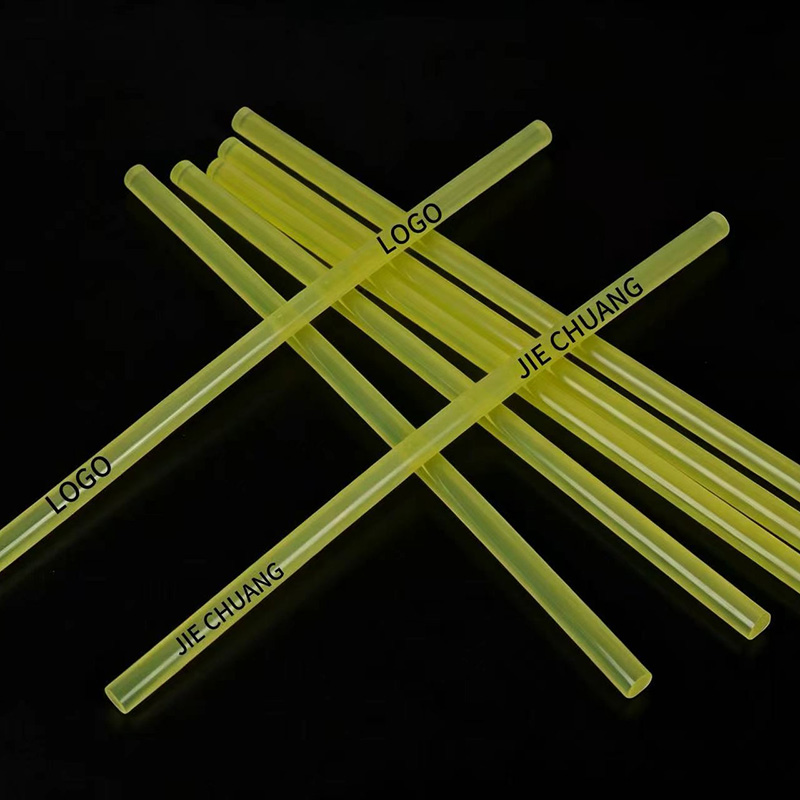
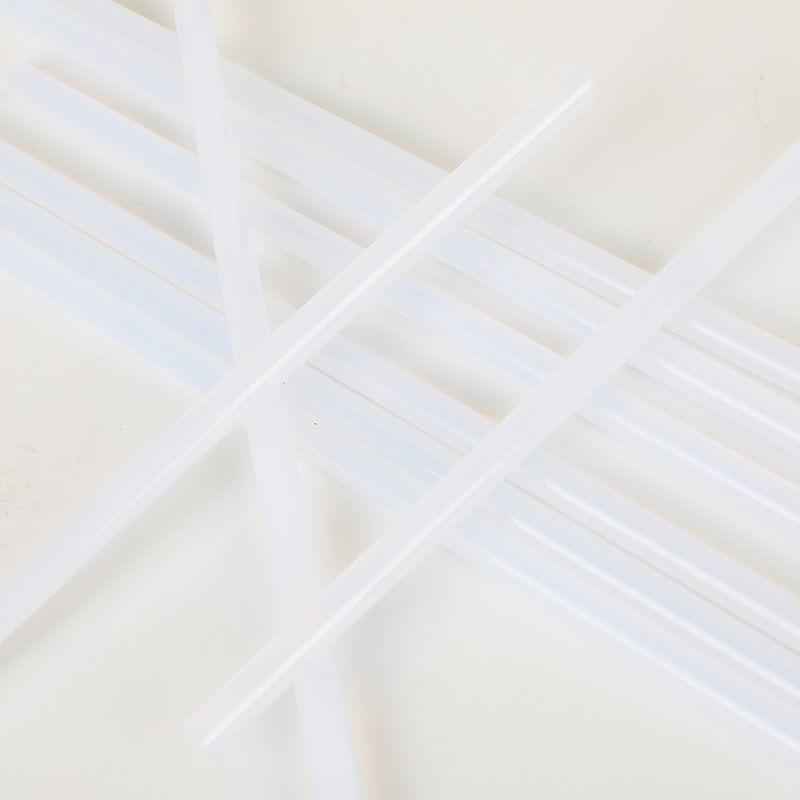
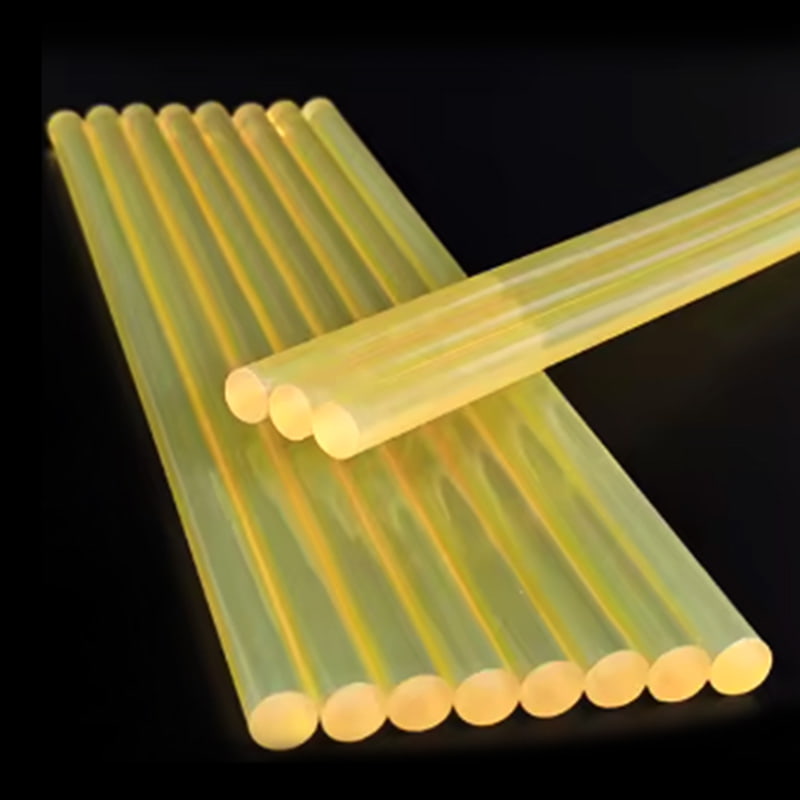
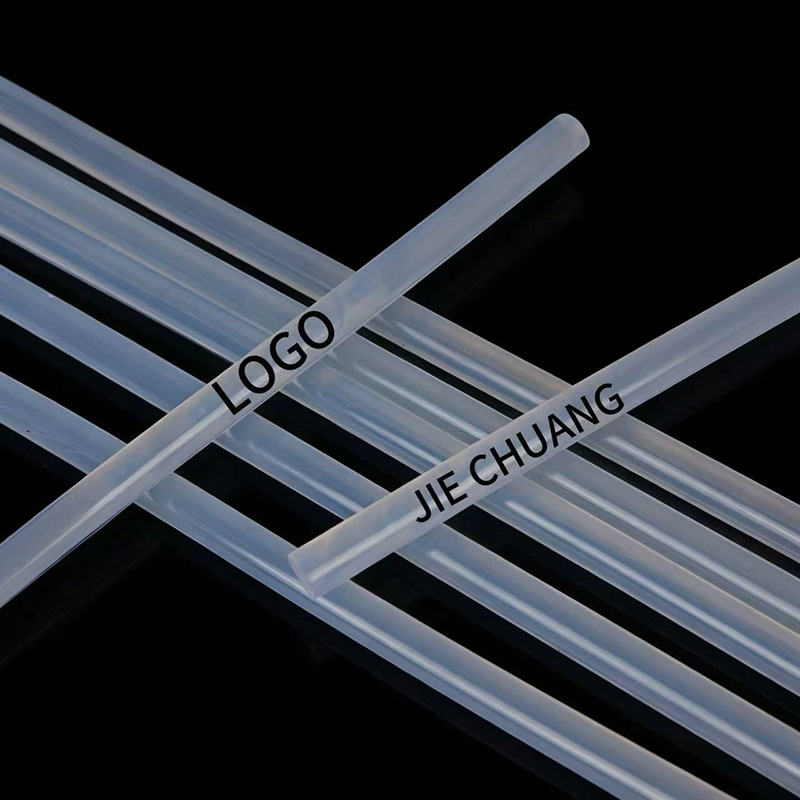
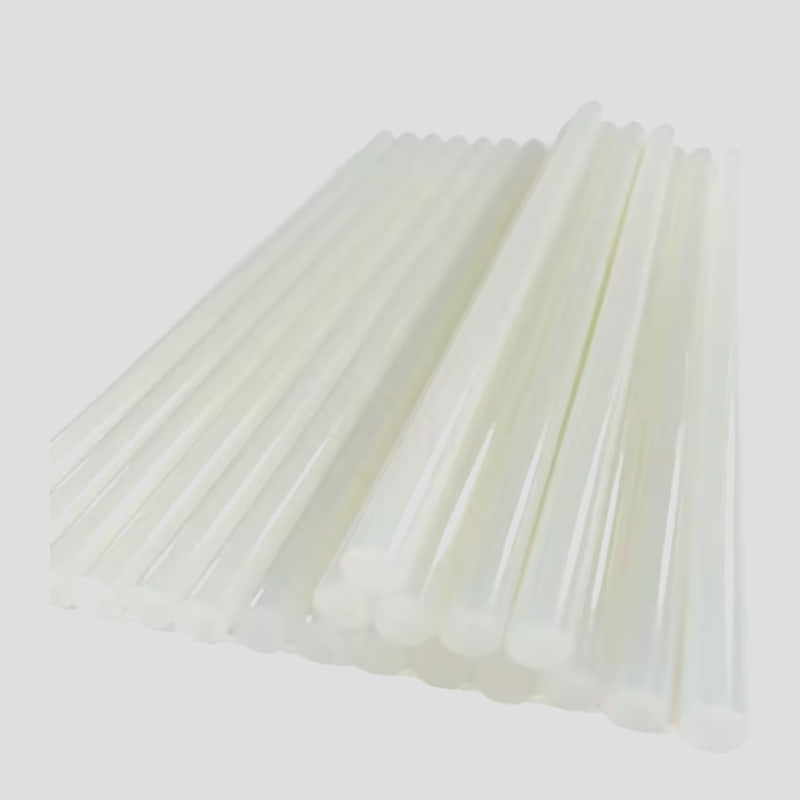
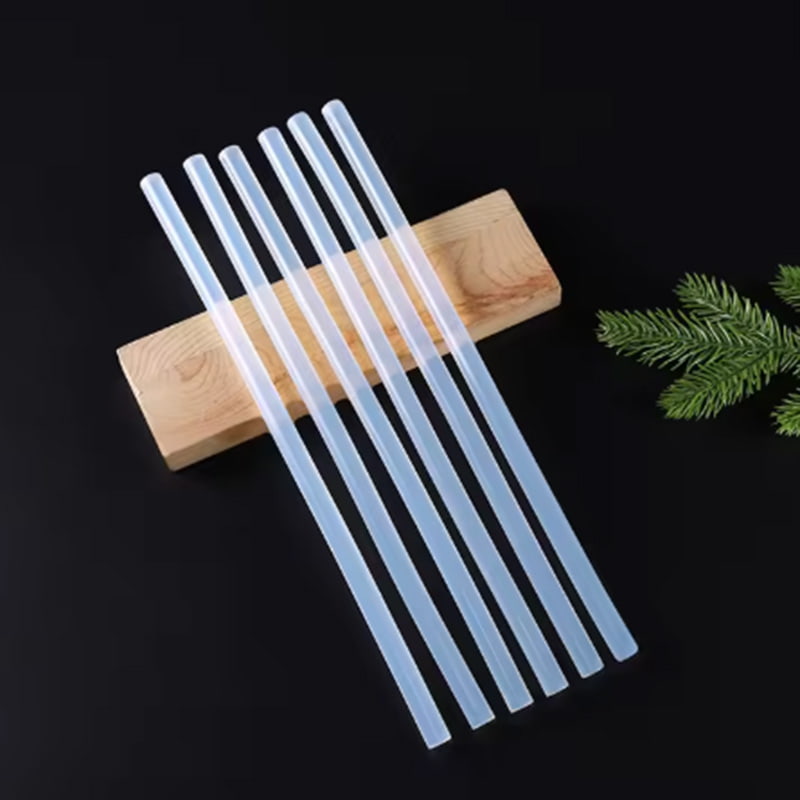
A clear adhesive is often chosen because it creates nearly invisible bond lines and maintains the visual appearance of finished products. Whether used in decorative assembly, electronics, packaging, or display manufacturing, clarity is considered an important product characteristic. Yet many users notice that Transparent Hot Melt Glue Sticks gradually develop a yellow or amber tint after months of storage or service.
This color change does not necessarily indicate complete adhesive failure. Yellowing is usually the result of chemical aging, environmental exposure, or processing conditions that slowly alter the adhesive's molecular structure. Understanding these factors helps manufacturers and end users maintain appearance and bonding performance over a longer service life.



Yellowing Is a Natural Aging Process
Transparent hot melt adhesives are primarily thermoplastic polymers combined with tackifying resins, waxes, stabilizers, and antioxidants. These ingredients provide flow, adhesion, flexibility, and durability.
As time passes, certain components gradually react with oxygen, heat, or ultraviolet radiation.
Typical aging mechanisms include:
- Oxidation of polymer chains
- Ultraviolet degradation
- Thermal aging during storage or processing
- Chemical changes in tackifying resins
- Breakdown of stabilizing additives
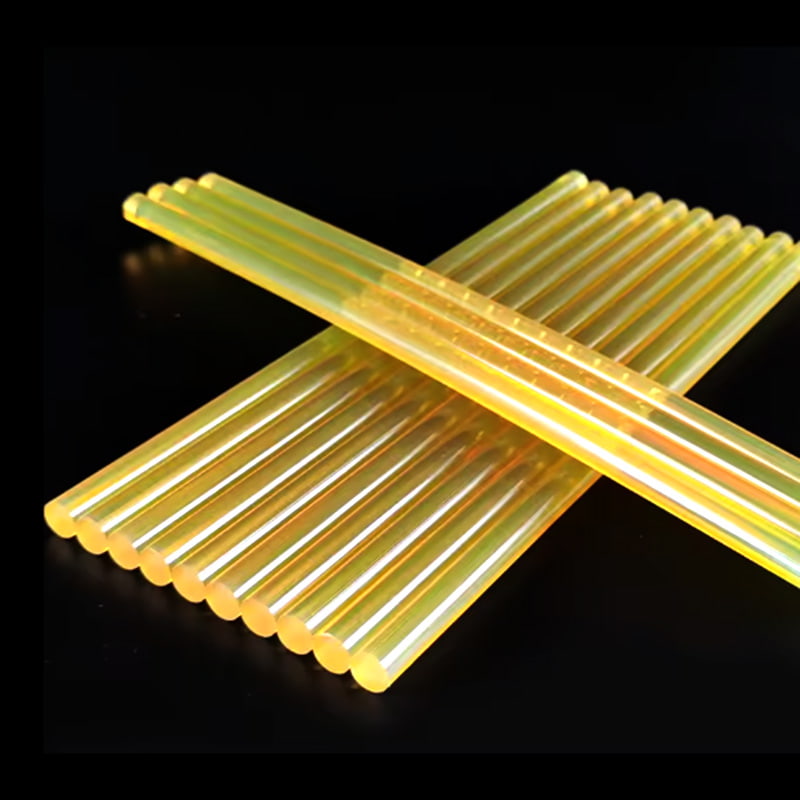
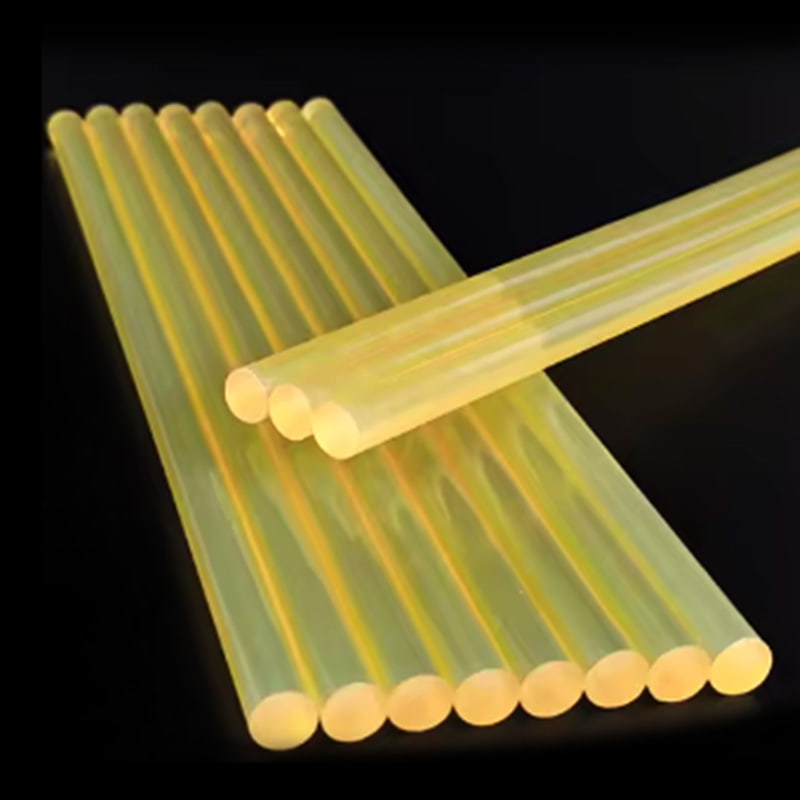
These reactions gradually create colored compounds that change the appearance from clear to light yellow or amber. Industry discussions consistently identify oxidation as one of the primary causes of discoloration in transparent hot melt systems.
Oxidation Remains One of the Primary Causes
Oxygen continuously interacts with adhesive materials throughout storage and service.
As oxidation progresses:
- Polymer chains slowly degrade.
- New chromophore molecules begin forming.
- Optical transparency gradually decreases.
- Color shifts from clear to pale yellow.
Oxidation develops gradually rather than suddenly. Adhesives stored for several years or exposed to elevated temperatures generally show faster color changes than newly manufactured products.
Ultraviolet Light Accelerates Discoloration
Sunlight contains ultraviolet energy capable of breaking chemical bonds inside many polymer materials.
Transparent Hot Melt Glue Sticks installed in locations with continuous sunlight exposure often experience faster color changes than indoor applications.
Typical exposure sources include:
- Direct outdoor sunlight
- Display windows
- Warehouse skylights
- High-intensity UV lighting
Photo-oxidation gradually alters molecular structures, producing compounds that absorb visible light and create a yellow appearance. Similar mechanisms are widely recognized across transparent adhesive technologies.
Heat Exposure Speeds Up Chemical Aging
Heat itself does not immediately discolor hot melt adhesives, but elevated temperatures accelerate many chemical reactions.
| Temperature Condition | Possible Effect | Appearance Impact |
| Normal indoor storage | Slow aging | Color remains relatively stable |
| High warehouse temperature | Faster oxidation | Gradual yellow tint |
| Extended heating inside glue tank | Thermal degradation | Yellow to brown discoloration |
| Repeated heating cycles | Polymer aging | Reduced transparency over time |
Technical guidance from the adhesive industry notes that prolonged residence time inside heated equipment can gradually darken hot melt adhesives as oxidation continues at elevated temperatures.
Raw Material Quality Influences Long-Term Clarity
Not every transparent adhesive uses identical raw materials.
Formulation differences may include:
- Polymer purity
- Type of tackifying resin
- Antioxidant package
- Wax composition
- Processing stabilizers
Higher-quality formulations generally contain more stable polymers and antioxidant systems that slow oxidation and maintain optical clarity throughout storage. Lower-cost formulations may rely on tackifiers or additives that naturally possess a slight amber color or become darker more quickly during aging.
Processing Conditions Can Also Affect Color Stability
Manufacturing practices influence adhesive appearance long before the finished product reaches the customer.
Several processing variables deserve attention:
- Excessive melting temperature
- Long residence time inside glue tanks
- Poor temperature control
- Repeated reheating of unused adhesive
Thermal exposure gradually consumes antioxidant additives. Once these stabilizers become depleted, oxidation progresses more rapidly, and discoloration becomes increasingly visible.
Storage Environment Plays an Important Role
Storage conditions directly influence the aging rate of Transparent Hot Melt Glue Sticks.
| Storage Factor | Potential Influence |
| Direct sunlight | Accelerates UV degradation |
| High humidity | May increase overall material aging |
| High storage temperature | Speeds oxidation reactions |
| Sealed original packaging | Helps reduce oxygen exposure |
| Cool indoor environment | Slows chemical aging |
Maintaining stable storage conditions helps preserve both adhesive appearance and mechanical properties throughout shelf life.
Does Yellowing Mean Bond Strength Has Been Lost?
Not necessarily.
Color change and bonding performance do not always decline at the same rate.
Many transparent hot melt adhesives continue functioning satisfactorily despite mild yellowing. However, advanced aging may also accompany changes in physical properties.
Possible performance changes include:
- Reduced flexibility
- Higher brittleness
- Lower impact resistance
- Slight reduction in adhesion durability
The degree of performance loss depends on formulation, storage history, and operating environment rather than color alone. Aging studies show that severe oxidation can affect both appearance and adhesive performance over time.
Ways to Slow Yellowing
Although discoloration cannot always be eliminated, several practical measures help extend transparency.
Recommended practices include:
- Store glue sticks away from direct sunlight.
- Avoid unnecessary exposure to high temperatures.
- Use recommended melting temperatures during production.
- Reduce adhesive residence time inside heated equipment.
- Choose formulations developed with anti-yellowing stabilizers.
These practices help preserve optical clarity while maintaining consistent adhesive performance throughout storage and application.
Transparent Hot Melt Glue Sticks usually turn yellow because of gradual oxidation, ultraviolet exposure, thermal aging, and the natural evolution of polymer chemistry rather than a single manufacturing defect. Material formulation, processing temperature, raw material quality, and storage conditions all influence how quickly discoloration develops.
A slight yellow tint does not automatically indicate adhesive failure, but it can serve as an early sign that the material has experienced environmental or thermal aging. Choosing high-quality formulations, controlling processing temperatures, and storing adhesive properly are practical ways to preserve transparency and extend the service life of clear hot melt adhesive products.