

 English
 中文简体
中文简体
Author: Jie Chuang
Date: Jul 15, 2026
Are Transparent Hot Melt Glue Sticks Strong Enough for Structural Bonding
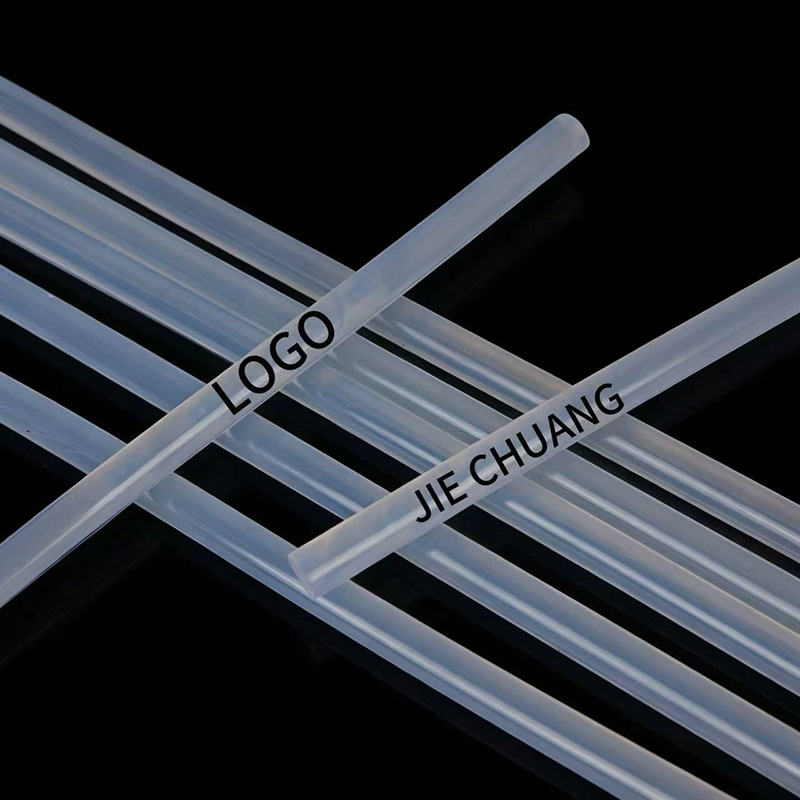
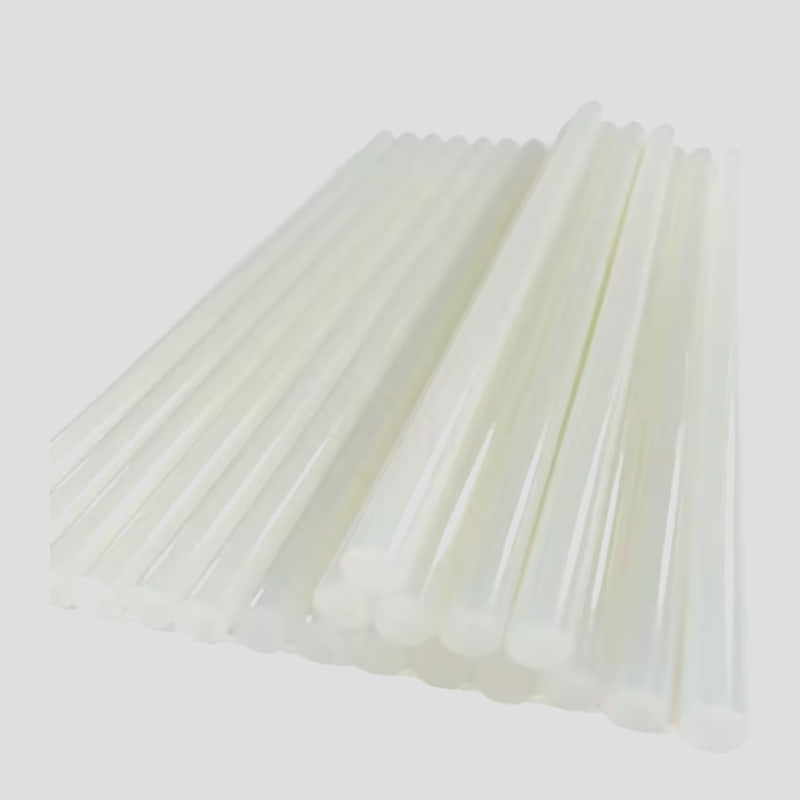
Transparent adhesives are widely recognized for their clean appearance and ease of application, making them popular in packaging, product assembly, handicrafts, electronics, and display manufacturing. Despite their versatility, a common engineering question remains: Can Transparent Hot Melt Glue Sticks provide enough strength for structural bonding?
The answer depends on what "structural bonding" means in a specific application. Transparent hot melt products can deliver impressive holding power in many light- and medium-duty assemblies, yet their performance differs significantly from reactive structural adhesives such as epoxy or polyurethane. Understanding their mechanical behavior helps determine where they fit—and where alternative adhesive technologies are more suitable. Research on hot melt adhesive chemistry also shows that strength depends heavily on polymer composition, crystallinity, and formulation rather than appearance alone.



Transparency Does Not Define Bond Strength
Many users associate transparent glue sticks with craft applications, but transparency is primarily a visual characteristic instead of a performance indicator.
A clear adhesive may be formulated using different polymer systems, including:
- EVA (Ethylene Vinyl Acetate)
- Polyamide
- Polyolefin
- Synthetic resin blends
Each formulation delivers different levels of flexibility, impact resistance, heat stability, and adhesion to various substrates.
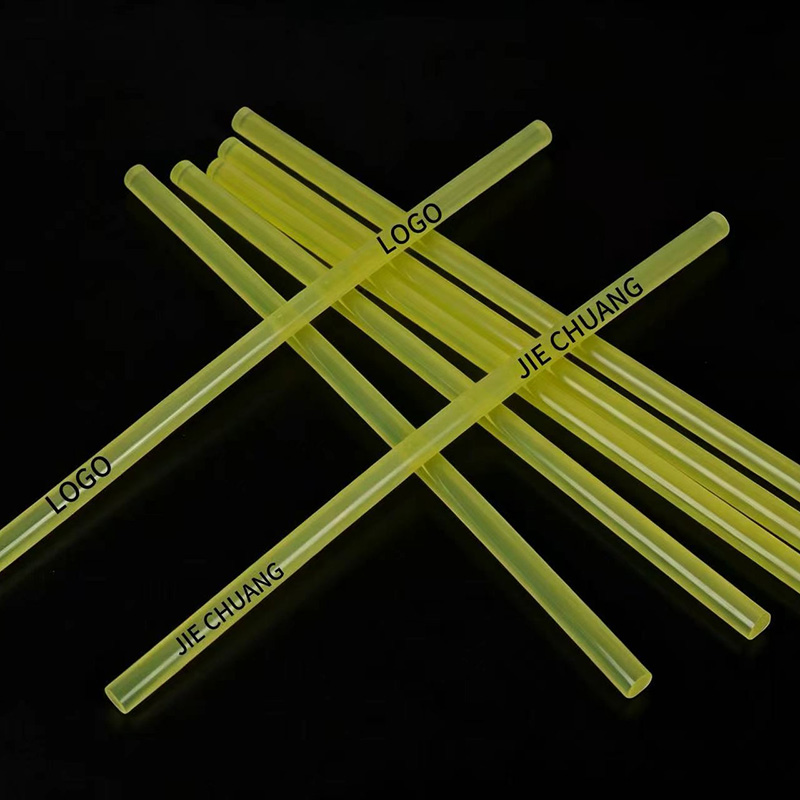
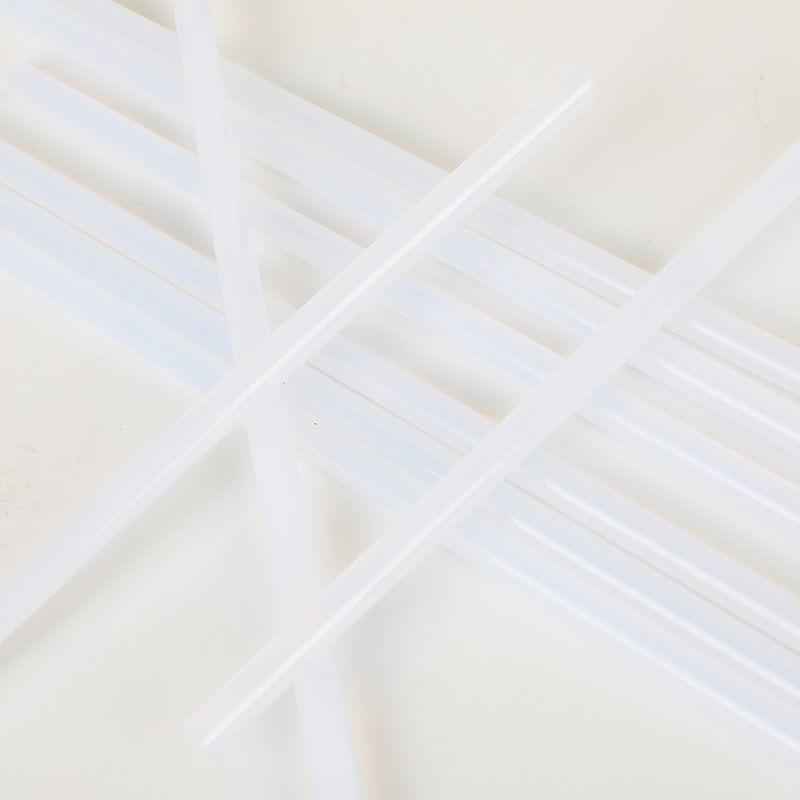
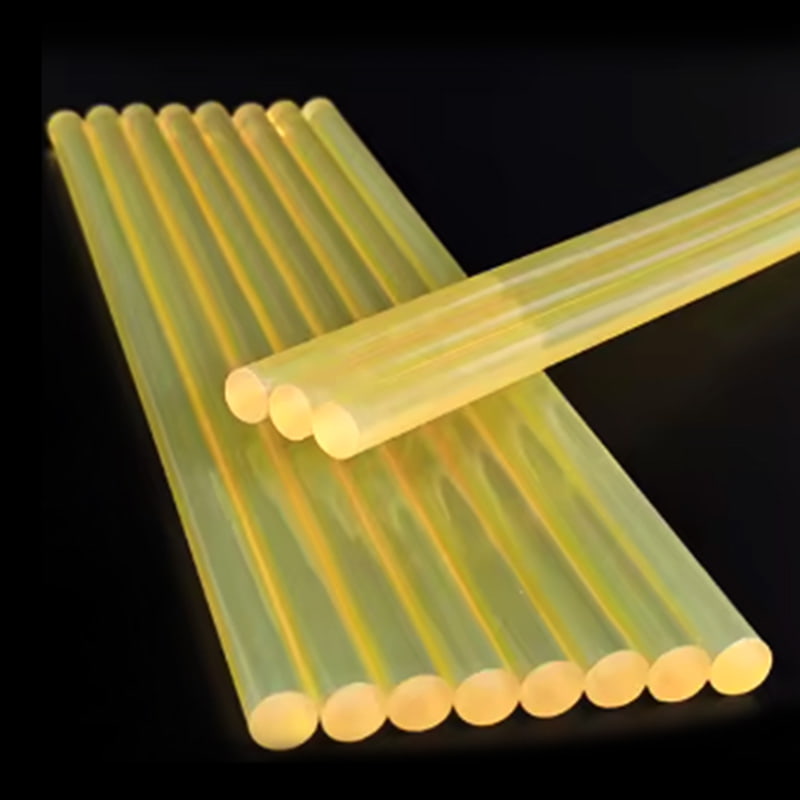
Transparent Hot Melt Glue Sticks designed for industrial applications often contain modified polymers that improve cohesive strength while maintaining optical clarity.
Understanding Structural Bonding Requirements
Structural bonding generally refers to adhesive joints that continuously support mechanical loads throughout the product's service life.
Typical structural applications require resistance to:
- Static loading
- Repeated vibration
- Impact forces
- Temperature variation
- Long-term creep
These requirements are considerably more demanding than temporary positioning or decorative bonding.
Conventional hot melt adhesives are generally optimized for rapid assembly and production efficiency, while reactive structural adhesives emphasize maximum long-term load capacity.
Typical Mechanical Performance
Industrial-grade Transparent Hot Melt Glue Sticks can provide surprisingly high mechanical properties under appropriate conditions.
| Property | Typical Industrial Range | Practical Significance |
| Application temperature | 180–200°C | Supports proper substrate wetting |
| Open time | 15–30 seconds | Allows component positioning |
| Bond strength | Up to 6.5 N/mm² | Suitable for many medium-duty assemblies |
| Shear strength | Up to 3.5 N/mm² | Handles moderate mechanical loads |
| Cold resistance | Approximately -20°C | Supports various indoor applications |
Some high-strength transparent polyamide glue sticks also provide water resistance and good hardness after curing.
Applications Where Transparent Hot Melt Glue Sticks Perform Well
Rapid cooling allows hot melt adhesives to support efficient production while producing nearly invisible bond lines. Suitable applications include:
- Display assembly
- Plastic housings
- Wooden decorative products
- Paper and cardboard products
- Consumer electronics positioning
- Temporary fixture assembly
These applications typically require moderate mechanical support rather than continuous heavy structural loading.
Situations Where Other Adhesive Systems May Be Better
Some engineering environments place far greater demands on adhesive joints. Examples include:
- Automotive chassis components
- Steel structural assemblies
- Load-bearing aluminum frames
- High-temperature industrial equipment
- Outdoor construction exposed to continuous weathering
Thermoplastic hot melt adhesives gradually soften as temperature rises, making them less suitable for continuous heavy-load structural applications.
Engineering references note that traditional hot melts have lower service temperatures and may deform under sustained loading because they remain thermoplastic after cooling.
Substrate Compatibility Makes a Significant Difference
Bond strength depends not only on adhesive quality but also on the materials being joined.
| Substrate | Bonding Performance | General Evaluation |
| Wood | Very good | Widely used |
| Paper & Cardboard | Very good | Rapid fiber penetration |
| Ceramic | Good | Requires clean surface |
| Glass | Moderate to good | Depends on formulation |
| Engineering Plastics | Variable | Surface energy influences adhesion |
| Metal | Application dependent | May require specialized formulation |
Surface cleanliness, roughness, and material chemistry all influence final adhesion performance.
Temperature Continues Affecting Bond Performance
Transparent Hot Melt Glue Sticks solidify rapidly after application, but service temperature remains an important design consideration.
Performance may change because of:
- High ambient temperatures
- Repeated heating and cooling cycles
- Long-term static loading
- Direct sunlight on bonded components
Extended exposure to elevated temperatures may gradually reduce stiffness, particularly in standard EVA formulations.
Processing Quality Influences Final Strength
Even premium adhesive products cannot compensate for poor application practices.
Important process variables include:
- Correct melting temperature
- Uniform adhesive distribution
- Adequate assembly pressure
- Clean bonding surfaces
- Proper cooling before loading
These production variables often influence bond reliability as much as the adhesive formulation itself.
Material Development Continues Expanding Structural Capability
Research into advanced hot melt polymers has significantly improved adhesive performance over recent years.
New polymer systems featuring functional crystalline structures have demonstrated structural-level shear strengths exceeding 14 MPa in laboratory studies, indicating that emerging hot melt technologies continue expanding into demanding industrial applications. These advanced materials remain distinct from conventional glue sticks commonly used in packaging or craft assembly.
Transparent Hot Melt Glue Sticks can provide dependable bonding strength across many industrial and commercial applications, particularly where rapid assembly, clean appearance, and moderate mechanical support are required. Their performance is determined by polymer formulation, substrate compatibility, processing quality, and operating conditions rather than transparency alone.
Although traditional transparent glue sticks are generally not intended to replace heavy-duty structural adhesives in continuously loaded assemblies, industrial-grade formulations continue to improve in strength and durability. Evaluating actual service loads, environmental conditions, and bonded materials remains the practical approach to determining whether a transparent hot melt solution can satisfy a specific structural bonding requirement.