

 English
 中文简体
中文简体
Author: Jie Chuang
Date: Dec 24, 2025
Key Properties of Hot Melt Adhesive Particles
The realm of hot melt adhesives is one of quiet but constant evolution. Moving beyond simple commodity products, this sector is increasingly defined by specialized formulations, user-centric design, and a considered response to environmental imperatives. From the production floor to the final application and eventual disposal, each component—whether particles, sticks, or pellets—plays a distinct role in a complex supply chain.
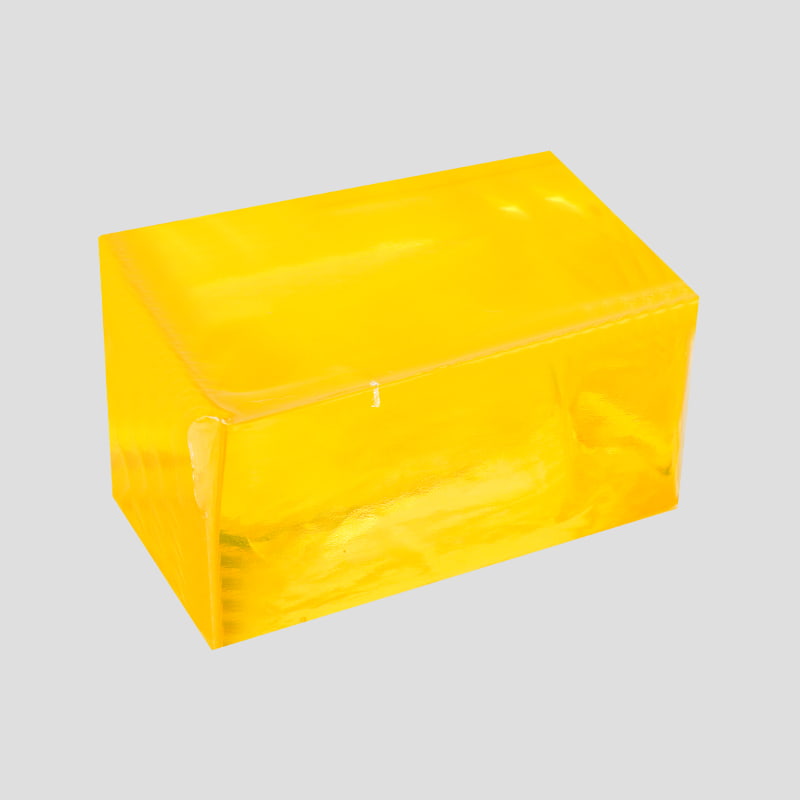
Key Properties of Hot Melt Adhesive Particles
In real production use, the performance of hot melt adhesive particles is defined by several practical properties:
- Melting behavior
Particles are designed to melt uniformly, reducing the risk of localized overheating or degradation.
- Viscosity control
Once molten, the adhesive must flow smoothly without excessive dripping or stringing. Viscosity is matched to the application method.
- Fast setting time
After application, the adhesive cools and sets quickly, supporting high production speeds.
- Adhesion range
Depending on formulation, particles can bond paper, plastic, fabric, wood, metal, or coated surfaces.
- Thermal stability
Good-quality particles resist breakdown during repeated heating cycles, which is important in continuous operations.
These properties are not abstract specifications but directly affect production efficiency and product
Manufacturing Process of Hot Melt Adhesive Particles
Hot melt adhesive particles are produced through a controlled industrial process:
Raw material preparation
Polymers, resins, waxes, and additives are selected and inspected.
Heating and mixing
Materials are heated and blended in reactors or extruders until a homogeneous molten adhesive is formed.
Filtration and stabilization
The molten adhesive is filtered to remove impurities and stabilized to improve thermal performance.
Pelletizing or granulation
The adhesive is cooled and cut into particles using pelletizers, underwater cutting systems, or cooling belts.
Packaging and inspection
Finished particles are packed in moisture-resistant bags and tested for viscosity, softening point, and bonding strength.
This process ensures that the particles perform consistently during storage and application.
Technological Innovations in Hot Melt Adhesive Particles
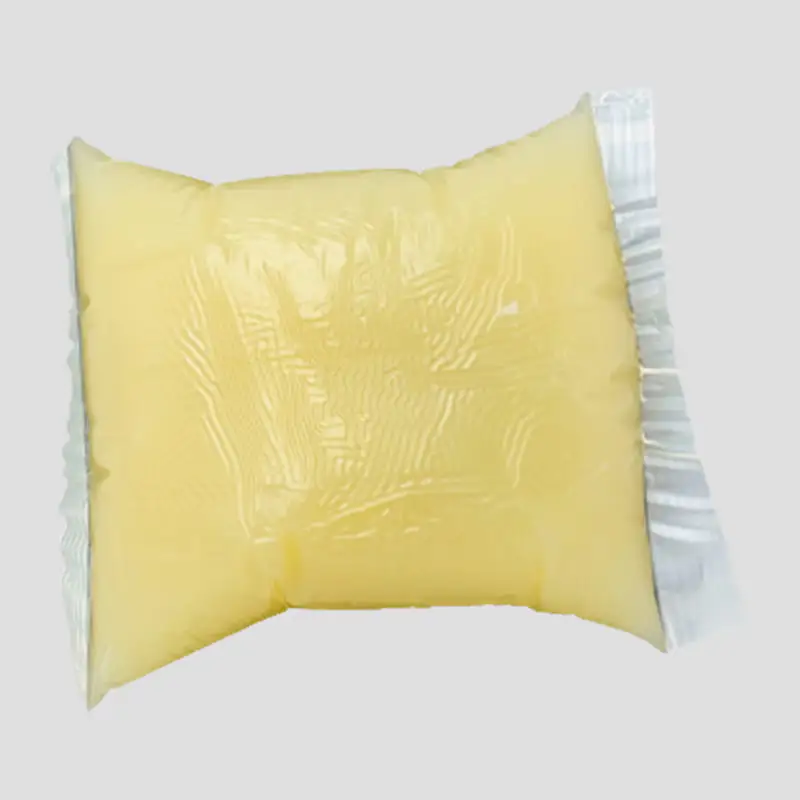
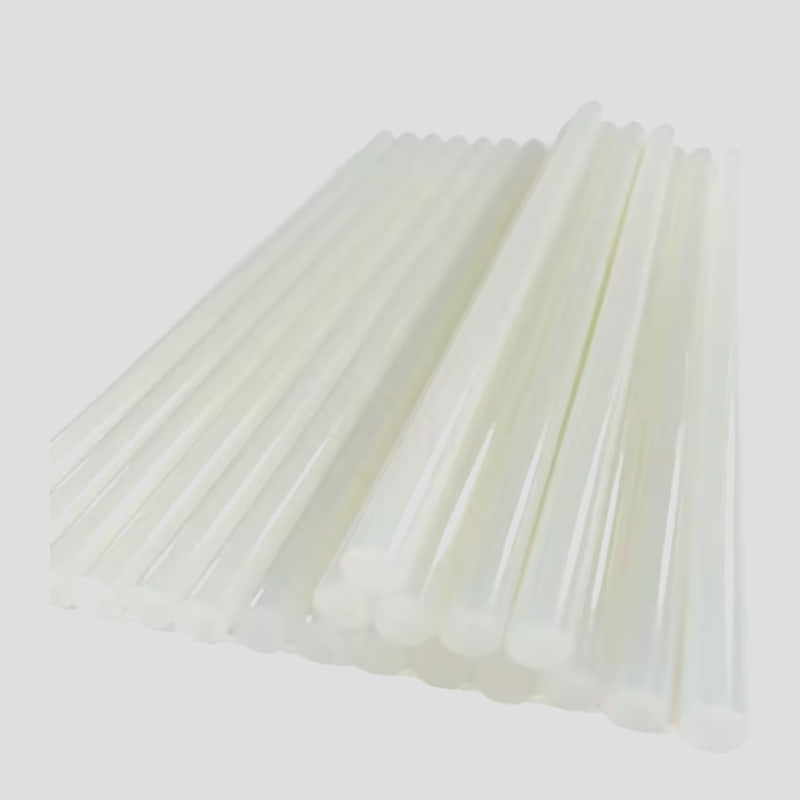
Hot melt adhesive particles, used extensively in bulk tank systems for packaging, product assembly, and nonwovens, have seen significant innovation focused on enhancing performance, processing efficiency, and final product quality. One key area of development is in polymer chemistry and formulation. Manufacturers are moving beyond traditional ethylene-vinyl acetate (EVA) to engineer particles based on metallocene-catalyzed polyolefins, amorphous polyalphaolefins (APAOs), and reactive polyurethanes (PUR). These advanced polymers offer performance characteristics, such as enhanced heat resistance, improved adhesion to low-surface-energy plastics like polyethylene and polypropylene, and greater bond flexibility or toughness for demanding applications.
Concurrently, innovation is evident in particle engineering and handling. The shape and size consistency of particles are carefully controlled to ensure predictable and reliable flow from hoppers into melting tanks, reducing bridging and ensuring consistent feed rates. Furthermore, the development of low-odor and low-volatile organic compound (VOC) emitting formulations addresses workplace air quality and broader environmental regulations. Another forward-looking innovation is the design of repulpable and recyclable-compatible adhesives. These specialized particles are formulated to break down or filter out efficiently during paper recycling processes, reducing contamination in recycled fiber streams and supporting the circular economy for paper-based packaging. These collective advancements allow manufacturers to achieve stronger, more durable, and more sustainable bonds with greater operational consistency.
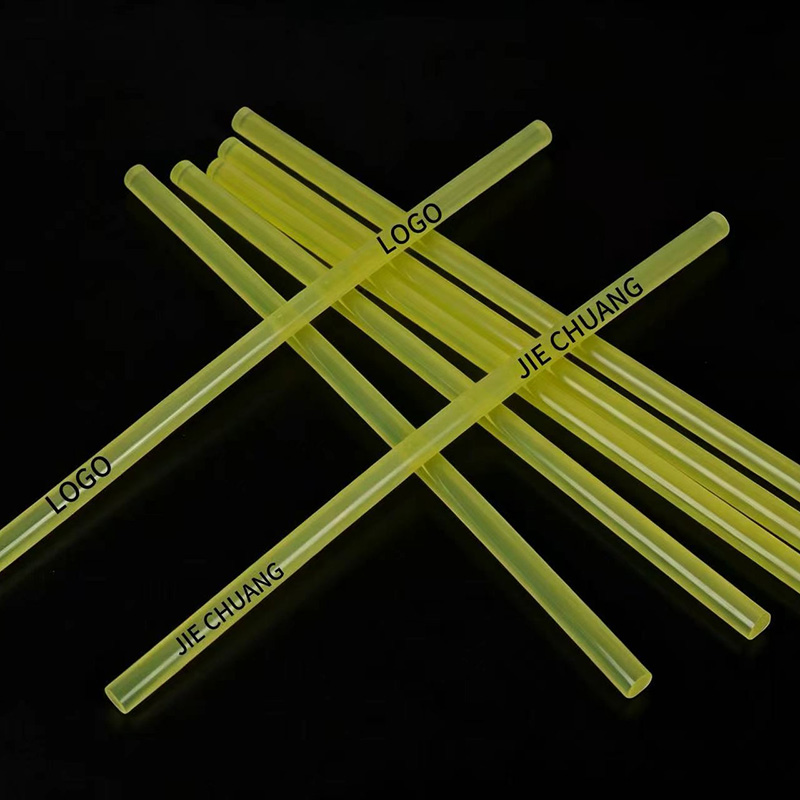
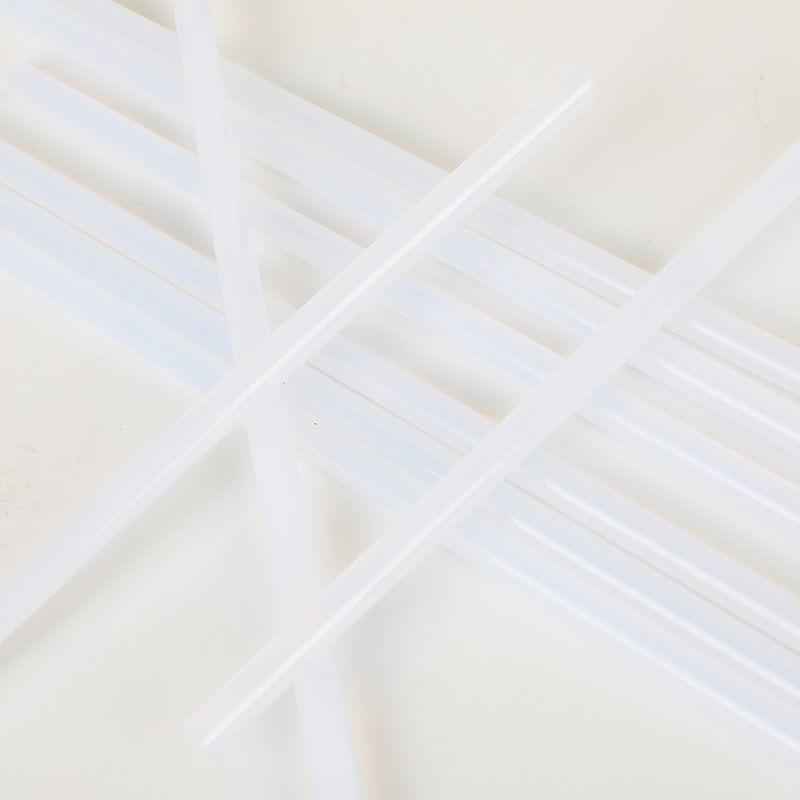
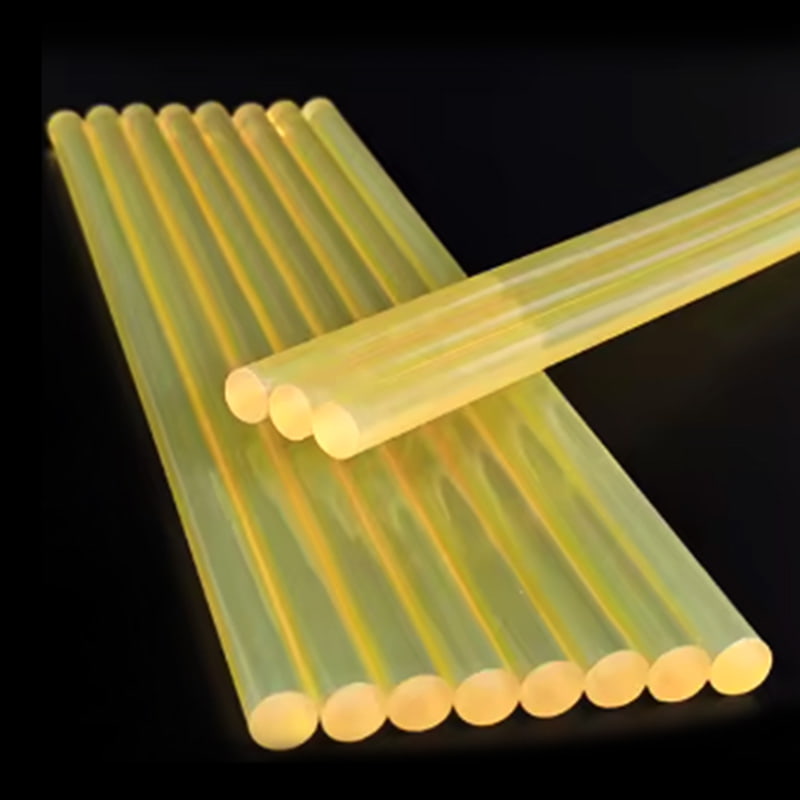
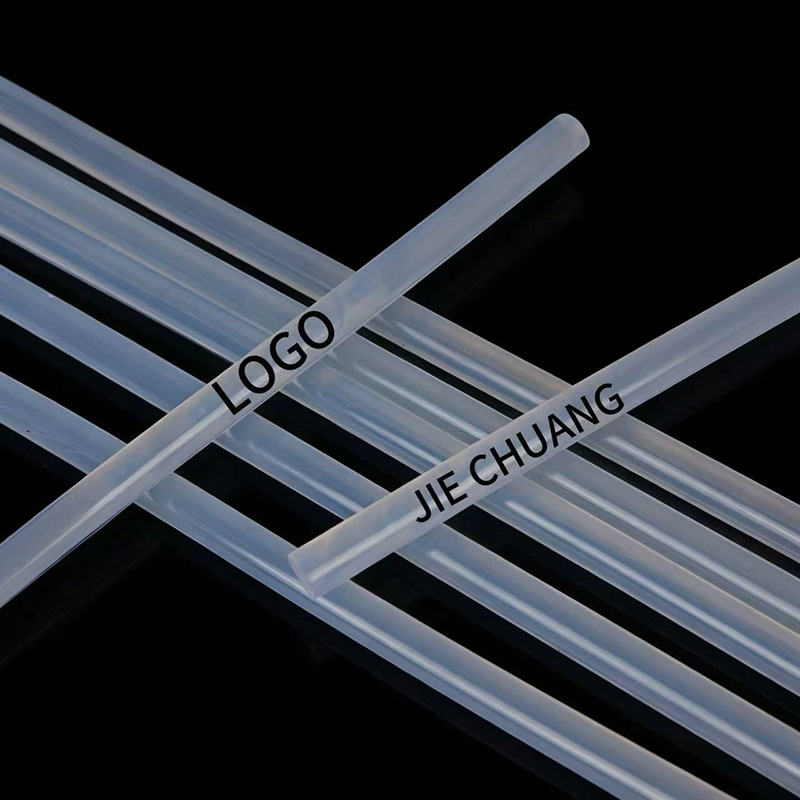
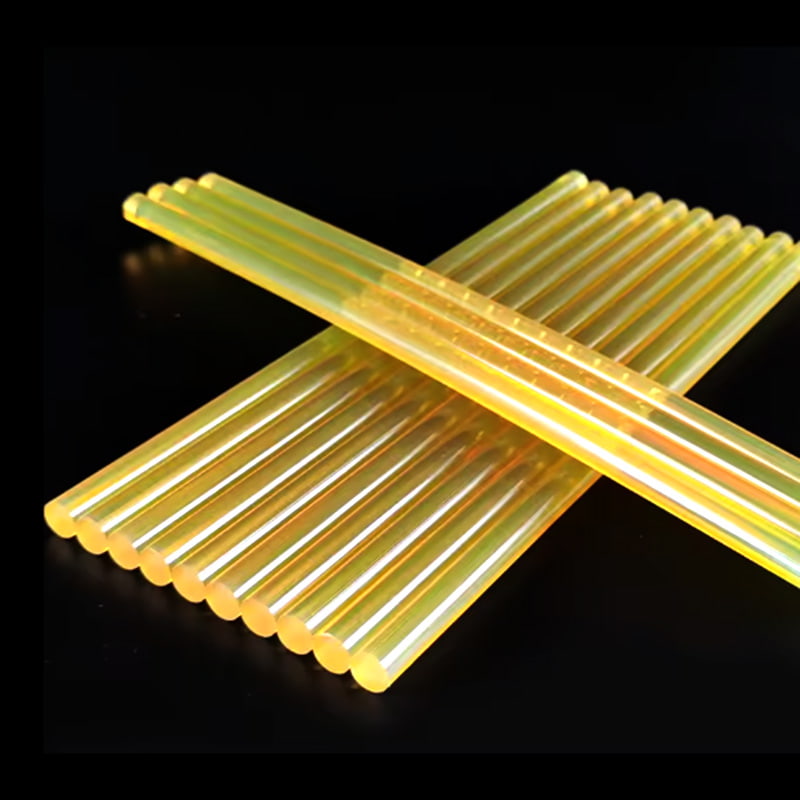
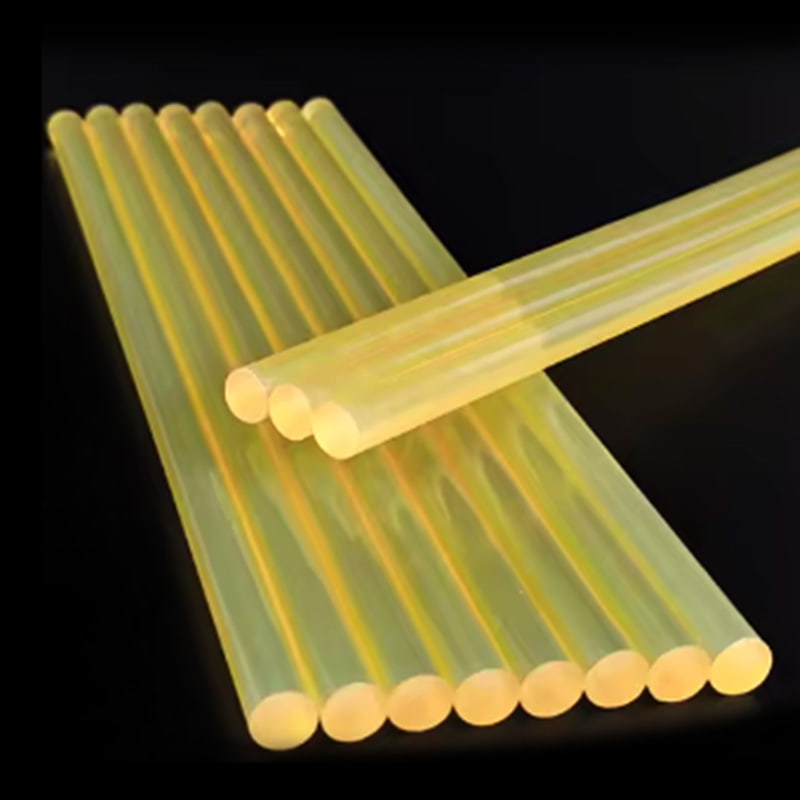
Hot Melt Glue Sticks: Common Application Problems and Solutions
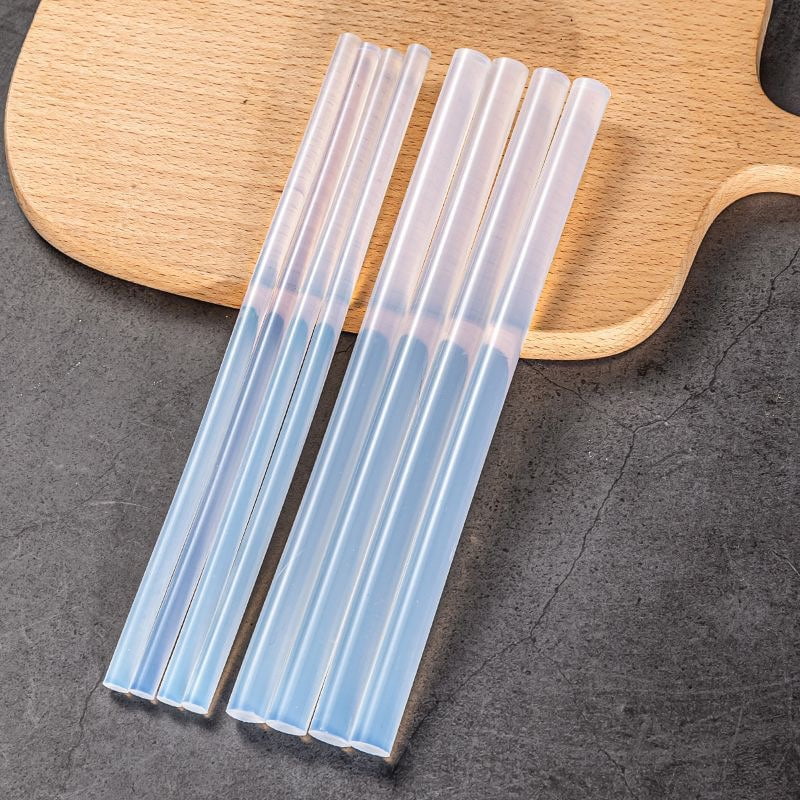
Even with a reliable glue gun, users of hot melt glue sticks can encounter issues that affect bond quality and ease of use. Identifying the root cause is the step toward a solution.
Problem: Adhesive Stringing or Webbing.
Cause & Solution: This occurs when thin strands of adhesive trail behind the gun nozzle after application. It is often due to a formulation with a high melt viscosity or an application temperature that is too low. Using a glue stick formulated for low-stringing, often labeled as such, and ensuring the glue gun is fully heated to the recommended temperature can minimize this issue.
Problem: Poor Adhesion or Bond Failure.
Cause & Solution: The adhesive may not be suitable for the materials being bonded (e.g., using a general-purpose stick on polypropylene plastic). Surfaces may be dirty, oily, or too cold, preventing proper wetting. The solution is to select a specialty stick designed for the specific substrates (e.g., plastics, wood, fabric), thoroughly clean and dry the surfaces, and pre-warm very cold materials if possible before application.
Problem: Adhesive Charring or Discoloration.
Cause & Solution: A dark brown or black discoloration and unpleasant odor indicate the adhesive is overheating. This can happen if the glue gun is left idling for extended periods, if the nozzle is clogged causing stagnation, or if a low-temperature stick is used in a high-temperature gun. Allowing the gun to cool during pauses, cleaning the nozzle regularly, and always matching the stick type to the gun's temperature setting will prevent charring.
Problem: Glue Stick Jamming or Not Feeding.
Cause & Solution: This is typically a mechanical issue. The stick diameter may not match the gun's barrel size, or a broken piece of adhesive may be obstructing the feed mechanism. Using the correct stick size as specified by the gun manufacturer and ensuring the stick is inserted straight without forcing broken pieces can resolve feeding problems.
Biodegradable Hot Melt Adhesive Pellets: Economic Aspects of Raw Material Procurement and Cost Impact
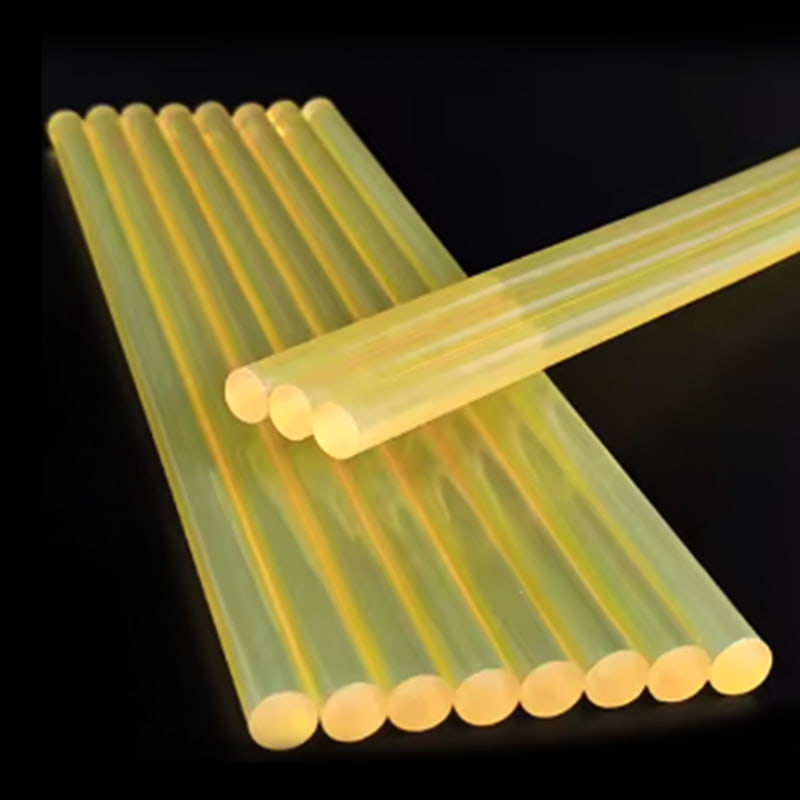
The development of biodegradable hot melt adhesive pellets represents a significant environmental stride, but their economic profile is shaped by the realities of their raw material supply chain. The core economic aspect lies in the sourcing of bio-based feedstocks, such as polylactic acid (PLA) derived from corn starch, resins from pine rosin, or other plant-based polymers and tackifiers. The procurement of these materials is subject to different market dynamics than petrochemicals, influenced by agricultural commodity prices, harvest yields, and the scale of dedicated biorefineries.
This procurement reality directly impacts costs. Presently, bio-based raw materials often carry a price premium compared to their conventional petroleum-based counterparts. This premium arises from several factors: the nascent scale of production for some specialized biopolymers, the processing required to convert biomass into industrial-grade chemicals, and the costs associated with certification (e.g., for compostability or bio-based content). Consequently, the final cost per kilogram of biodegradable hot melt pellets is generally higher than that of standard EVA or polyolefin pellets.
However, a holistic view of cost is necessary. While the upfront material cost is higher, these adhesives can offer economic value by mitigating future risks and aligning with corporate sustainability goals. They can help manufacturers comply with evolving regulations on plastic use and recyclability, avoid potential levies on non-recyclable packaging, and meet the growing demand from brands and consumers for more sustainable products. Furthermore, as production scales up and bio-refining technology advances, the cost differential is expected to gradually decrease. Therefore, the investment in biodegradable adhesives is not just a material cost but a strategic one, supporting waste reduction initiatives, enhancing brand image, and future-proofing operations in an increasingly eco-conscious market.