

 English
 中文简体
Author: Jie Chuang
Date: Oct 07, 2026
Can One Hot Melt Adhesive Bond Both Coated and Uncoated Surfaces
Coated and uncoated materials may look similar, yet their surfaces can respond differently to the same hot melt adhesive. A paperboard sheet with a glossy finish, for example, may resist adhesive wetting differently from untreated kraft paper. Such differences can affect initial tack, bond strength, setting behavior, and the appearance of the finished package.
At Zhejiang Jiechuang New Materials Technology Co., Ltd., we develop hot melt adhesive products for packaging, handicrafts, automotive components, and other industrial applications. We understand that customers often need a single adhesive grade to work with several material types. Our approach is to evaluate the complete bonding system rather than assume that one formulation will perform identically across every surface.
So, can one hot melt adhesive bond both coated and uncoated surfaces? Yes, a suitably formulated adhesive can work with both, provided that the coating chemistry, substrate properties, application conditions, and required bond performance fall within its capabilities. The following factors explain how to assess this compatibility.




1. Why Do Coated and Uncoated Surfaces Behave Differently?
The main difference lies in the surface layer that comes into contact with the adhesive. Uncoated paper generally exposes more of its fibrous structure, while coated paper may contain pigments, binders, polymers, or other finishing materials. These layers change how molten adhesive spreads and interacts with the substrate.
Key Surface Differences
- Uncoated paper: Its porous structure can absorb some adhesive and provide mechanical anchoring through the fiber network. Excessive penetration, however, may reduce the adhesive remaining at the bonding interface.
- Clay-coated paperboard: The mineral coating and binder system can produce a smooth surface with different wetting characteristics from untreated paper fibers.
- Glossy or polymer-coated board: A smooth, relatively nonporous layer may restrict penetration and place greater importance on surface wetting and interfacial adhesion.
- Laminated packaging: Plastic films or other laminated layers can introduce additional compatibility requirements, particularly if the exposed layer has low surface energy.
Surface appearance alone cannot establish whether an adhesive will bond successfully. Two glossy cartons may use different coating systems, and their bonding behavior can vary accordingly. We therefore recommend identifying the actual material construction before deciding whether a standard hot melt adhesive is suitable.
2. Which Adhesive Properties Matter Most for Both Surface Types?
A cross-compatible adhesive needs to balance several properties. Strong initial tack does not automatically indicate durable adhesion, and good spreading on one substrate does not guarantee satisfactory performance on another.
| Technical property | Role in bonding | What we evaluate |
| Viscosity | Controls molten adhesive flow and spreading | Whether the adhesive forms a consistent bond line on each surface |
| Wetting behavior | Determines how well the molten adhesive contacts the substrate | Surface coverage, gaps, and signs of poor contact |
| Open time | Defines the interval available for joining the materials | Whether the production process can complete assembly within the working window |
| Setting time | Influences how quickly a joint develops handling strength | Whether the bonded package can proceed to the next operation |
| Bond strength | Indicates resistance to separation under defined test conditions | Peel behavior, fiber tear, coating separation, or adhesive failure |
| Heat resistance | Affects bond retention during elevated-temperature exposure | Whether the joint maintains its required performance under service conditions |
These properties interact with one another. Lower viscosity may help an adhesive spread across a particular surface, but the appropriate value depends on the coating, application method, and adhesive quantity. Likewise, a longer open time may help with large or complex assemblies, while a short setting time may suit a carton-closing process.
At Jiechuang, we consider these factors together during product evaluation instead of relying on a single specification to predict the final result.
3. Can One Formula Work With Both Coated and Uncoated Paperboard?
Packaging applications offer a practical example. A manufacturer may use untreated kraft paper for one product and printed, coated paperboard for another. Maintaining a single adhesive grade could simplify purchasing and inventory, but that decision requires application testing.
Three Conditions That Support Cross-Substrate Compatibility
- Compatible surface chemistry: The adhesive must wet and adhere to the exposed coating as well as the uncoated substrate. A formulation suitable for porous paper may need adjustment to perform well on a smooth polymer layer.
- A suitable processing window: Application temperature, viscosity, open time, and setting behavior must match the production conditions for both materials.
- Acceptable results on both substrates: Each material combination must meet the required bond-strength and appearance criteria. A strong result on kraft paper cannot substitute for a failed test on coated board.
Our hot melt adhesive range includes products developed for paper packaging, gift boxes, and bag assembly. Examples include Jiechuang packaging hot melt adhesive products. The appropriate grade depends on the specific paper construction and bonding process rather than the general label of packaging adhesive.
A universal grade should therefore be treated as a possibility to verify, not a guaranteed solution for every paper and coating combination.
4. How Do Application Temperature and Adhesive Quantity Affect the Bond?
Even a compatible formulation can perform poorly under unsuitable application conditions. Molten adhesive must spread across the intended bonding area before cooling reduces its ability to wet the substrate.
Application Temperature
Temperature affects viscosity, flow, substrate wetting, and the time available for assembly. An adhesive applied below its recommended processing range may spread inadequately. Excessive heat can also create problems, including material degradation during prolonged heating or damage to heat-sensitive substrates.
We advise customers to follow the technical data sheet for the specific adhesive grade. The correct setting depends on the formulation and equipment; there is no single application temperature that applies to every hot melt adhesive.
Adhesive Deposit and Bond-Line Thickness
The amount of adhesive must correspond to the surface structure and joint design.
- Uncoated paper may absorb part of the molten adhesive, so the deposit must leave sufficient material at the interface.
- Coated board may require a consistent adhesive layer that establishes adequate contact without unnecessary squeeze-out.
- Uneven application can create unbonded areas, especially around carton flaps, corners, and narrow adhesive lines.
- Excessive adhesive can affect appearance, cooling behavior, material handling, and overall consumption.
During trials, we recommend changing one process variable at a time. This makes it easier to distinguish a formulation issue from a temperature, coating-weight, or assembly problem.
5. What Causes Bond Failure on Coated Materials?
A joint may separate even though the adhesive appears to have melted and set normally. Examining the failure surface can help identify the source of the problem.
| Observed failure | Possible explanation | Recommended investigation |
| Adhesive releases cleanly from the coating | Insufficient wetting or poor interfacial compatibility | Review coating chemistry, surface condition, and adhesive grade |
| Paper fibers remain attached to the adhesive | The paper surface may have failed within its fiber structure | Compare the result with the required package strength and substrate integrity |
| Coating separates from the paper base | The coating-to-paper interface may be weaker than the adhesive joint | Inspect coating adhesion and compare alternative material batches |
| Bond separates shortly after assembly | Insufficient setting, poor contact, or an unsuitable application window | Check application temperature, pressure, open time, and handling delay |
| Bond weakens after heat exposure | The adhesive or substrate may not meet the service-temperature requirement | Conduct temperature conditioning and post-exposure bond testing |
These observations are diagnostic clues rather than definitive conclusions. A clean release, for example, can have several causes. We recommend examining multiple samples and recording the exact test conditions before making formulation changes.
6. How We Recommend Testing One Adhesive on Two Surfaces
At Zhejiang Jiechuang New Materials Technology Co., Ltd., we encourage customers to provide their actual coated and uncoated materials during product evaluation. Representative samples help us assess the complete bonding system instead of relying solely on generic material descriptions.
A Practical Evaluation Procedure
- Document the substrates: Record the paper or board grade, coating type, surface finish, thickness, and material supplier where available.
- Prepare comparable specimens: Use consistent sample dimensions and ensure that the bonding areas are clean and dry.
- Establish the application conditions: Follow the adhesive's recommended temperature range and record the adhesive quantity, assembly pressure, and joining interval.
- Test both combinations: Evaluate coated-to-coated, uncoated-to-uncoated, and mixed combinations as relevant to the final product.
- Measure bond performance: Use a consistent peel or separation test and record the failure mode. Define acceptance criteria according to the customer's packaging requirements.
- Repeat under realistic conditions: Assess the joints after suitable conditioning and reproduce the intended production cycle before approving the adhesive for regular use.
Test results should be interpreted against the application requirements rather than an arbitrary universal strength value. Packaging that experiences repeated opening, transportation vibration, or temperature variation may require additional testing beyond a simple room-temperature bond check.
7. How an Adhesive Manufacturing Company Can Support Material Compatibility
Substrate compatibility is not determined by the adhesive alone. The coating system, production equipment, application settings, and finished product requirements all influence the result. Collaboration between the customer and the adhesive supplier helps narrow down the relevant variables.
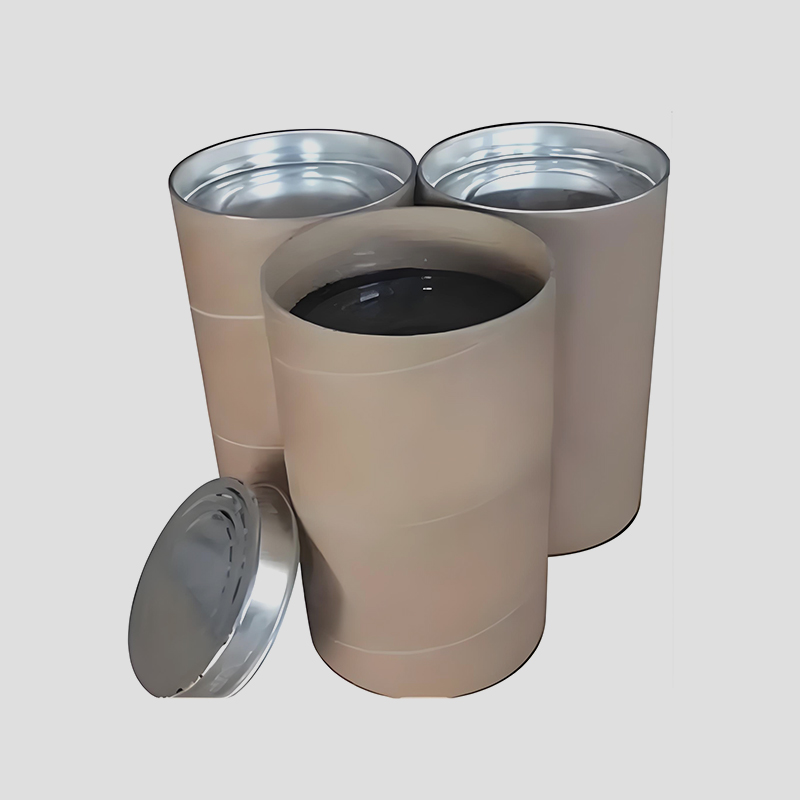
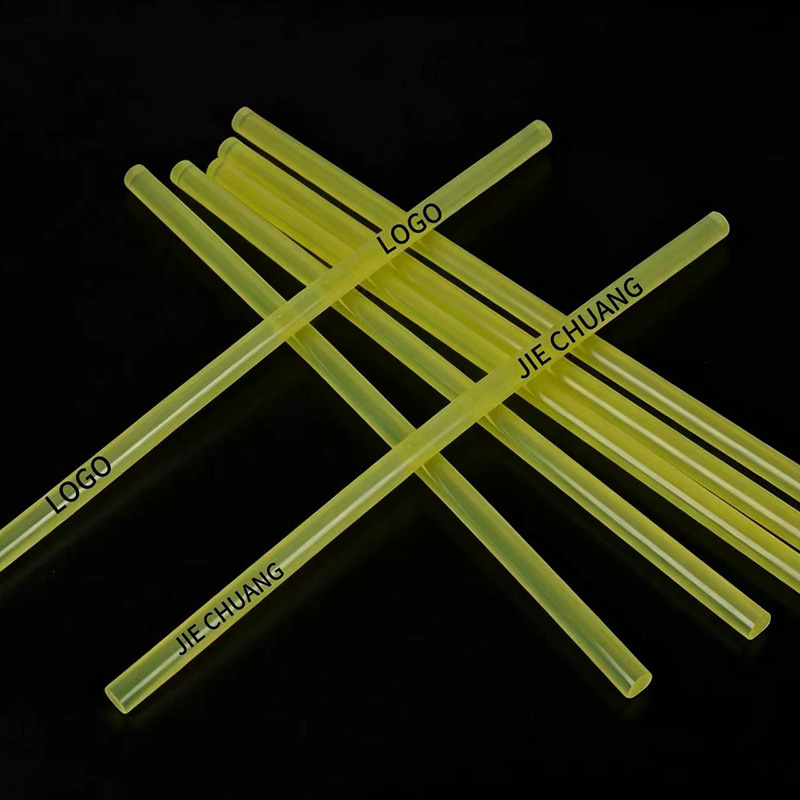
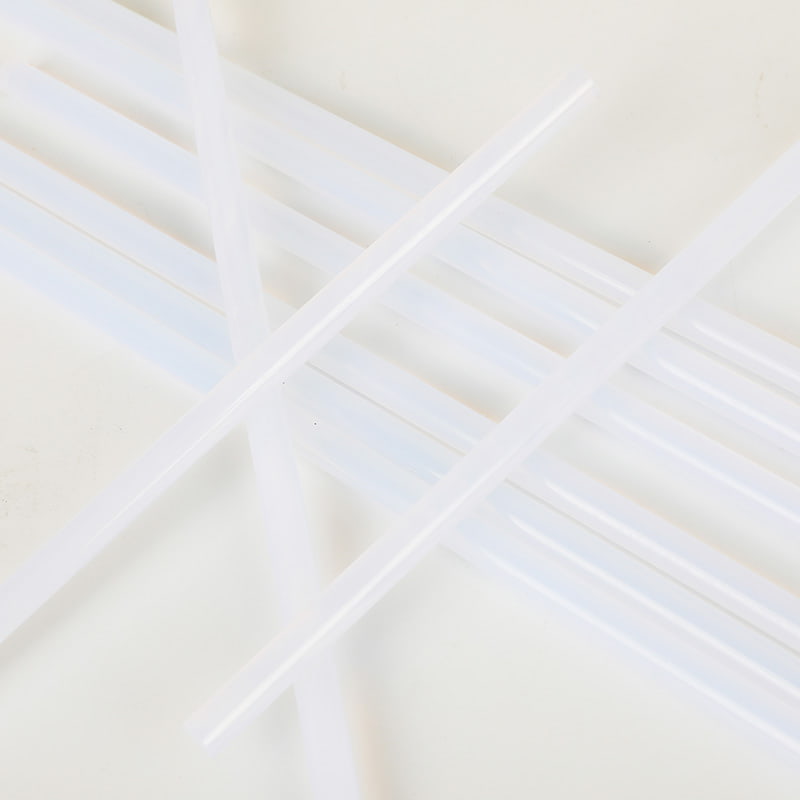
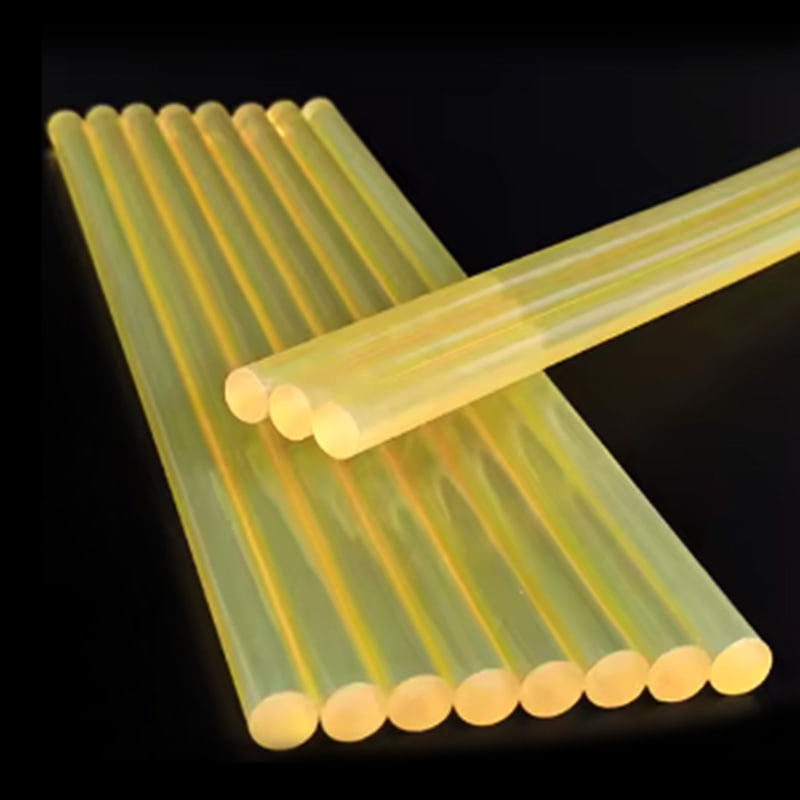
As an adhesive manufacturing company, Jiechuang integrates research and development, production, and sales to support customers with application-specific hot melt adhesive requirements. Our product portfolio covers hot melt adhesive sticks, granules, pressure-sensitive adhesives, adhesive blocks, and PUR systems for different industries.
Customers can help us assess a potential cross-compatible grade by sharing:
- The names and specifications of both coated and uncoated materials.
- The coating composition or technical information supplied by the board manufacturer.
- The application method, equipment type, and operating temperature.
- The required open time, setting behavior, and finished bond strength.
- The environmental conditions and expected service life of the finished product.
- Any current bonding problems, including coating release, fiber tear, or inconsistent adhesion.
With these details, we can evaluate whether an existing product is suitable or whether a customized solution deserves further testing. Our ISO 9001:2015 quality management system supports our quality-management practices, while application testing remains essential to confirming suitability for a particular material combination.
Test the Surface Pair, Not Just the Adhesive
One hot melt adhesive can bond both coated and uncoated surfaces, but compatibility depends on the relationship between adhesive chemistry, surface properties, processing conditions, and required bond performance. A formulation that works well on absorbent kraft paper may behave differently on glossy paperboard or polymer-laminated packaging.
At Jiechuang, we recommend starting with the actual materials, checking the adhesive's technical specifications, and testing each relevant surface combination under representative production conditions. This process helps determine whether a single grade can cover multiple applications or whether separate formulations are needed.
Are you evaluating hot melt adhesive for coated and uncoated packaging materials? Contact Zhejiang Jiechuang New Materials Technology Co., Ltd. through our official website to discuss your substrates, processing conditions, and bonding requirements. We can review the application details and help identify a suitable direction for product evaluation.