

 English
 中文简体
中文简体
Author: Jie Chuang
Date: Oct 02, 2026
What Should Buyers Ask Hot Melt Adhesive Suppliers
Buying hot melt adhesive is rarely just a matter of asking for a price per kilogram. A product that looks suitable on paper may behave differently once it runs through a production line, meets a particular substrate, or faces heat, moisture, vibration, or repeated handling.
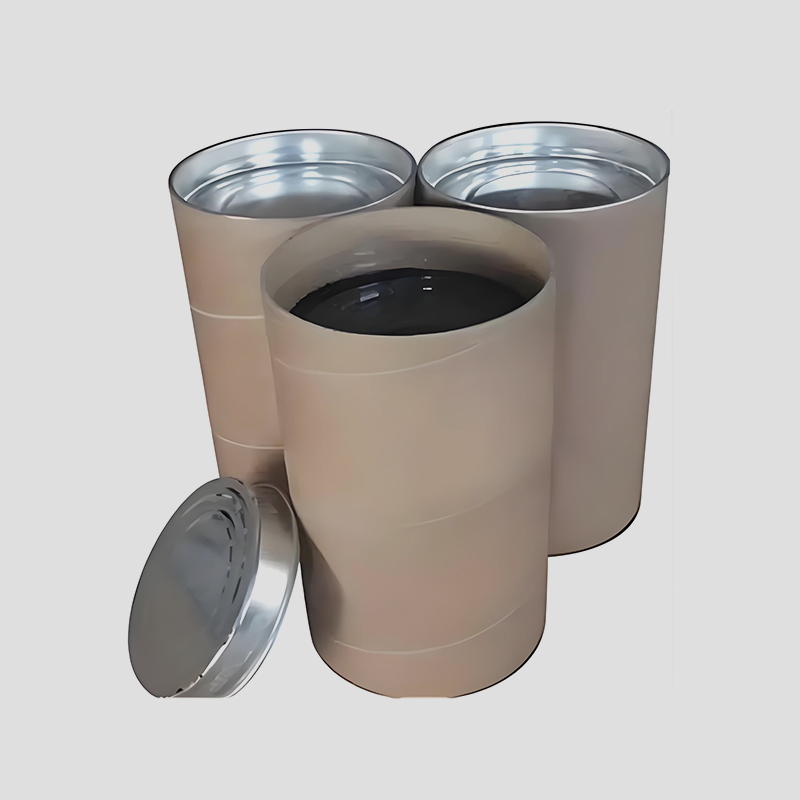
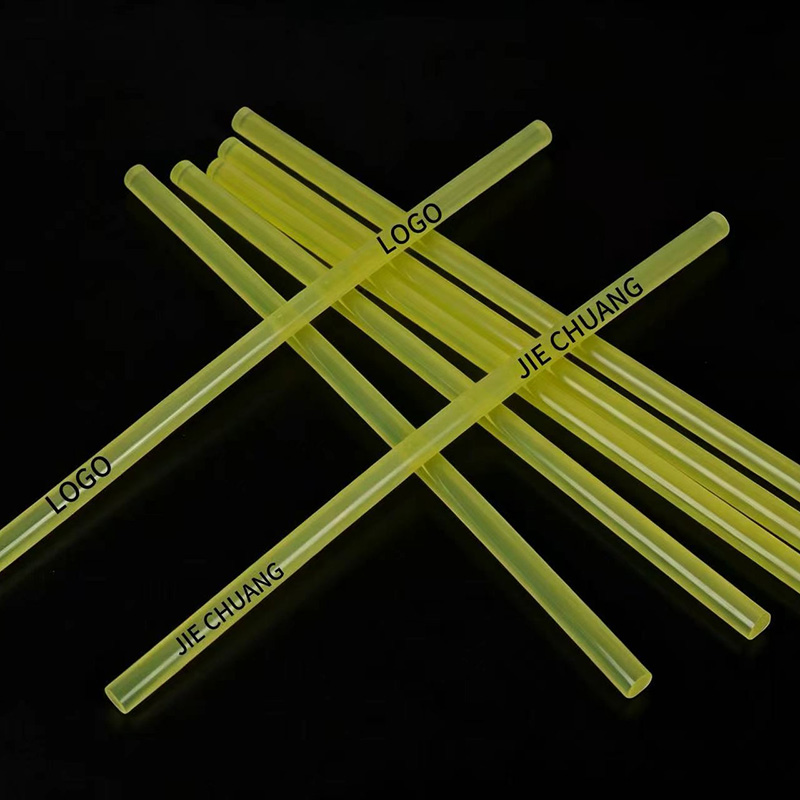
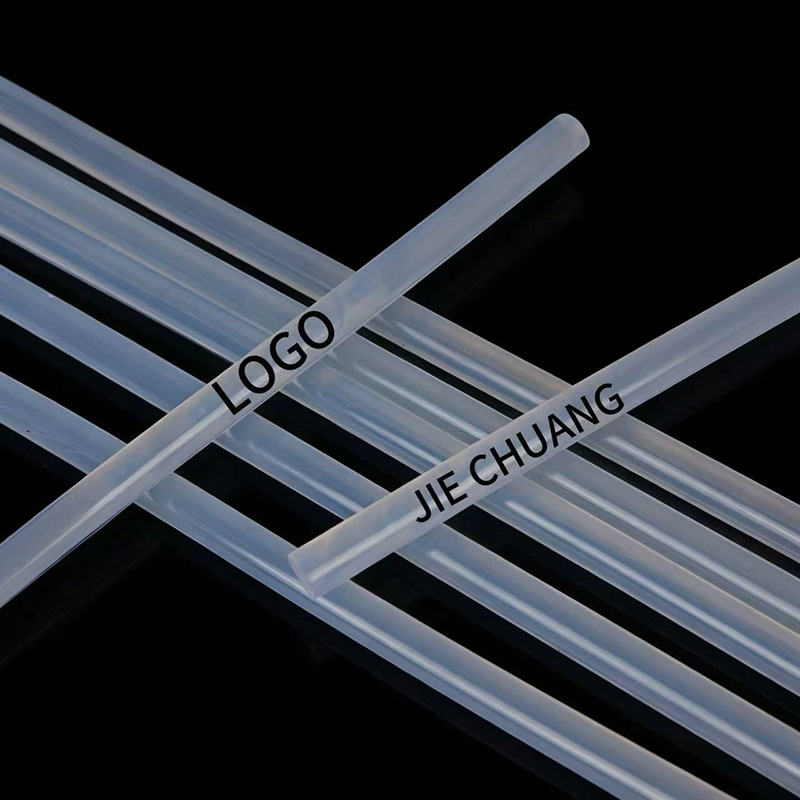
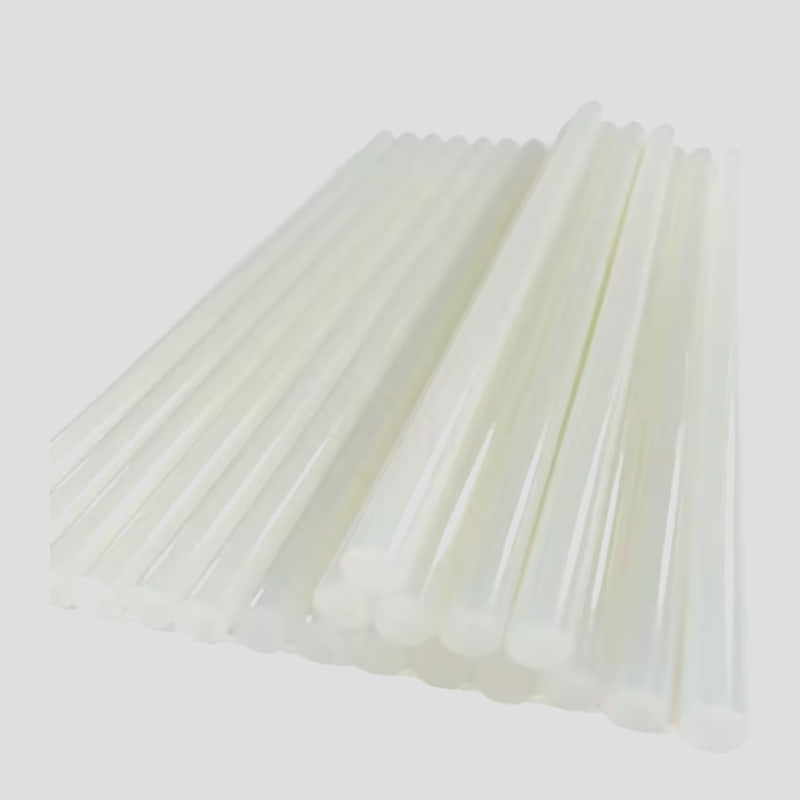
At Zhejiang Jiechuang New Materials Technology Co., Ltd., we work with customers across packaging, handicrafts, automotive parts, sanitary products, footwear, and other applications. Our product range includes hot melt adhesive sticks, granules, pressure-sensitive adhesives, adhesive blocks, and PUR systems. We also provide customized bonding solutions based on application requirements.
From our experience, a productive conversation with hot melt adhesive suppliers should cover technical performance, production conditions, documentation, and commercial requirements together.
1. Which Adhesive Chemistry Fits the Application?
We normally start with the bonding application rather than immediately recommending a product code. EVA, PO, APAO, PA, PES, PSA, and PUR hot melts can have different characteristics, so the substrate combination and service environment matter.
For example, Jiechuang's product range includes packaging hot melts designed for paper and cardboard as well as reactive PUR products developed for automotive and other industrial applications.
Useful questions include:
- Which adhesive chemistry is suitable for my substrates?
- Is a standard hot melt sufficient, or is reactive PUR required?
- Does the formulation match porous or non-porous materials?
- Can the adhesive handle the expected service environment?
2. What Are the Application Temperature and Viscosity?
Application temperature directly affects adhesive flow, wetting, dispensing behavior, and equipment operation. Viscosity also needs to match the application method.
Jiechuang's NCG-6503 kraft paper bag adhesive, for example, has a melt viscosity of 2,000–5,000 CPS at 180°C and a recommended using temperature of 165–180°C. Its formulation is designed around kraft paper and paper-rope bonding, with application through spraying or rollers.
| Parameter | Why We Discuss It |
| Application temperature | Defines the heating range required for proper melting and application |
| Melt viscosity | Influences flow, wetting, penetration, and dispensing |
| Softening point | Provides information about thermal behavior |
| Open time | Defines the available bonding window |
| Setting time | Shows how quickly the assembly can be handled |
These parameters should be considered together rather than separately.
3. How Long Is the Open Time?
Open time needs to match the customer's assembly process. A packaging line operating at high speed may require a short working window, while a large furniture component may need additional positioning time.
Published adhesive data illustrates how specific this parameter can be. A 3M hot melt adhesive specification, for example, reports open time together with application temperature, viscosity, adhesive bead dimensions, and substrate conditions.
That is why we recommend asking not only for an open-time number, but also for the test conditions behind that number.
Questions Worth Asking
- What application temperature was used during testing?
- What adhesive quantity or coating thickness was applied?
- Which substrates were tested?
- How was setting time determined?
- Does the reported open time represent laboratory conditions or a production recommendation?
4. Will the Adhesive Work With Existing Equipment?
Even a technically suitable adhesive can create production problems if the dispensing equipment is not compatible with its processing requirements.
We therefore ask customers about the application equipment, including glue guns, hot melt tanks, rollers, spray systems, nozzles, hoses, and automated dispensing equipment.
Our hot melt product range includes different formats such as sticks, granules, blocks, and PUR systems, allowing the adhesive form to correspond with different application processes.
| Application Method | Information We Need |
| Glue gun | Stick diameter, temperature range, dispensing rate |
| Roller coating | Roller temperature, speed, coating weight |
| Spray application | Equipment type, temperature, spray pattern |
| Automated dispensing | Line speed, nozzle, pressure, adhesive volume |
| PUR system | Melting temperature, equipment configuration, moisture-curing conditions |
5. What Bond Strength Is Required?
“Strong adhesive” is too broad to serve as a production specification. We need to know whether the finished joint will experience peel, shear, impact, bending, vibration, or continuous loading.
Jiechuang's own product development covers different bonding requirements. NCG-6503, for example, is formulated around kraft paper bags and paper ropes, while PUR products such as NCUR-5001 target PP seat-pad and foam bonding.
- Peel strength
- Shear strength
- Initial tack
- Final bond strength
- Flexibility
- Creep resistance
The correct testing method depends on the actual product and application.
6. How Does the Adhesive Perform Under Heat and Moisture?
Temperature and humidity can change the requirements considerably. A packaging adhesive used in a dry warehouse may have different needs from an automotive adhesive exposed to temperature fluctuations and moisture.
We recommend discussing the complete service environment:
- Expected minimum temperature
- Expected maximum temperature
- Continuous heat exposure
- Water or humidity exposure
- Chemical exposure
- Repeated temperature changes
- Expected service period
These conditions help us determine whether a conventional hot melt or a more specialized formulation should be evaluated.
7. Can You Provide Samples and Technical Documents?
Sample testing provides a practical way to evaluate substrate compatibility before a bulk order. We recommend using the customer's actual materials whenever possible because laboratory substrates may not reproduce the production surface accurately.
Technical documents are equally important. Depending on the product and application, buyers may need a Technical Data Sheet (TDS), Safety Data Sheet (SDS), test reports, quality documents, or compliance information.
Jiechuang maintains an ISO9001:2015 quality management system and provides technical support around its hot melt adhesive products.
8. Is a Customized Formula Available?
Standard products can cover many applications, but some production lines require a narrower performance range. A customer may need a particular viscosity, open time, setting speed, flexibility, color, application temperature, or substrate combination.
Our company states that we provide customized solutions according to customer requirements. Our product portfolio also includes application-specific products rather than a single general-purpose adhesive for every industry.
During a customization discussion, we can review:
- Substrate combination
- Application equipment
- Target viscosity
- Open time
- Setting speed
- Heat resistance
- Flexibility
- Color and appearance
9. What Are the MOQ and Lead Time?
Technical suitability is only part of a B2B adhesive purchase. Commercial conditions should also be clarified before production planning.
| Commercial Item | Information to Confirm |
| Sample quantity | Available sample size and testing arrangement |
| MOQ | Minimum order quantity for the selected product |
| Packaging | Bag, carton, drum, or customized packaging |
| Production lead time | Expected manufacturing period after order confirmation |
| Shipping | Available transportation method and destination requirements |
| Private label | Packaging, printing, and labeling options |
Discussing these details early helps align the sample stage with the eventual purchasing plan.
10. Can the Supplier Support Production After the Sample Stage?
A successful sample is only the beginning of a B2B adhesive project. Production support may involve formula adjustments, equipment recommendations, application troubleshooting, quality documentation, and batch consistency.
At Jiechuang, our focus combines hot melt adhesive R&D, manufacturing, sales, and customized solutions. We supply multiple adhesive formats and serve applications across packaging, handicrafts, auto parts, sanitary products, footwear, and other industries.
That structure allows us to discuss an adhesive not only as a chemical product but also as part of the customer's bonding process.
A Practical Question List for Your Next RFQ
Buyers can prepare a concise technical brief before contacting hot melt adhesive suppliers. Providing the information below can make sample evaluation more focused:
- What materials need to be bonded?
- What is the finished product?
- Which application equipment is being used?
- What are the machine and substrate temperatures?
- What line speed is required?
- What open time and setting time are needed?
- What temperature, humidity, water, or chemical exposure will the bond face?
- What bond-strength and flexibility requirements apply?
- Which certifications or compliance documents are required?
- What monthly volume, packaging, and delivery schedule should be planned?
Better Questions Create Better Adhesive Trials
A productive discussion with hot melt adhesive suppliers should go beyond price and product names. Substrate compatibility, application temperature, viscosity, open time, setting behavior, equipment, service environment, documentation, samples, and commercial conditions all influence the suitability of a hot melt adhesive.
At Zhejiang Jiechuang New Materials Technology Co., Ltd., we use these details to connect customers with appropriate hot melt adhesive products and customized solutions. Our portfolio covers hot melt sticks, granules, pressure-sensitive adhesives, adhesive blocks, and PUR systems, with application-specific products developed for different bonding requirements.
A clear RFQ gives us a clearer technical picture from the beginning. That makes sample testing more meaningful and provides a stronger basis for moving from laboratory evaluation to a stable production application.