

 English
 中文简体
中文简体
Author: Jie Chuang
Date: Jun 26, 2026
Why Do My Glue Sticks Leave Strings on Packaging
Small adhesive threads hanging from cartons and boxes can create a surprisingly large problem on a packaging line. Operators often notice thin strands of glue stretching between the nozzle and the package surface, leaving what many technicians call "angel hair." This issue affects product appearance, increases cleaning time, and may even reduce packaging efficiency.
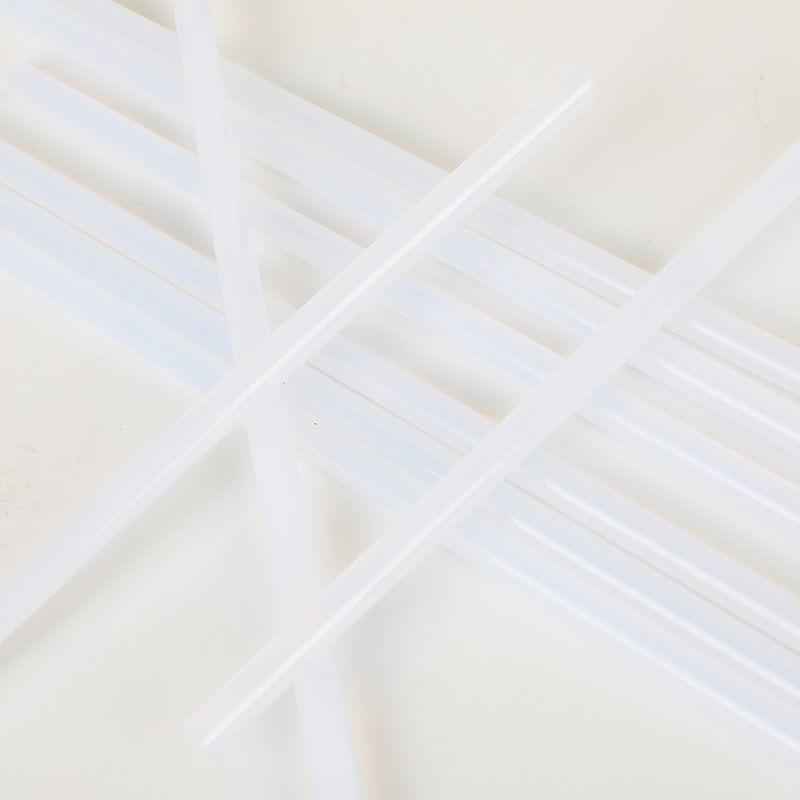
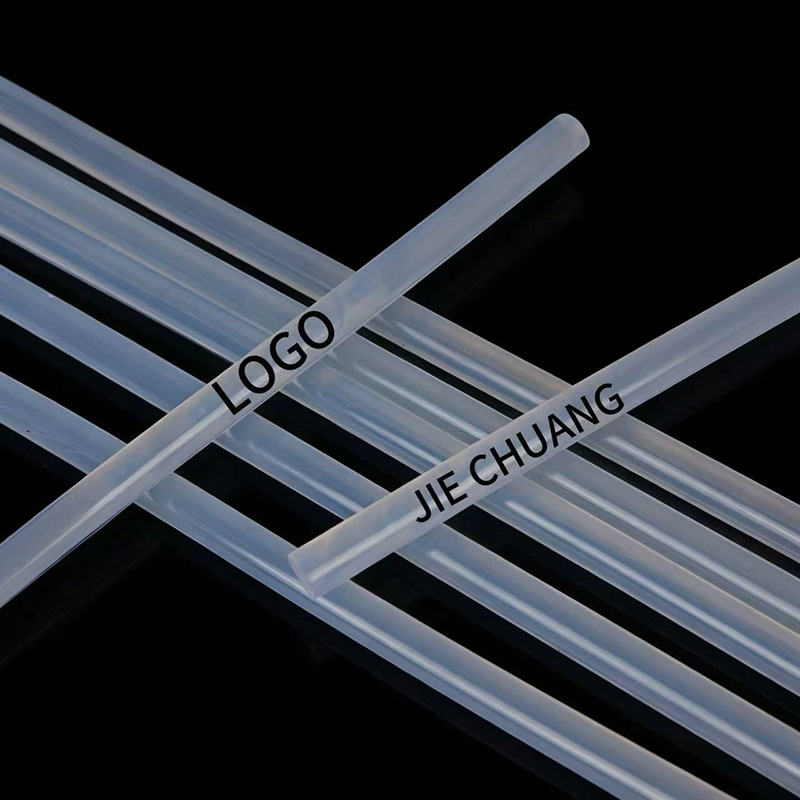
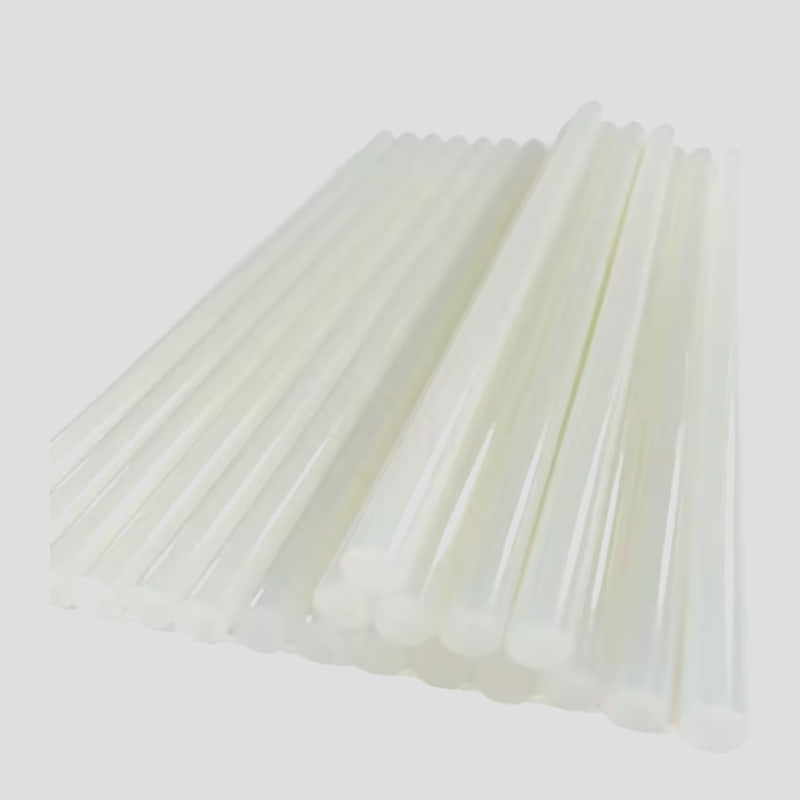
Many manufacturers using Clear Hot Melt Glue Sticks For Packaging encounter this challenge during carton sealing, gift box assembly, display packaging, and paperboard bonding. The good news is that a single factor rarely causes stringing. A systematic inspection of adhesive properties, equipment settings, and environmental conditions usually provides a practical solution.

Understanding Glue Stringing
Glue stringing happens because molten adhesive does not separate cleanly from the application nozzle. Instead of forming a controlled bead, part of the adhesive stretches into fine filaments.
Several packaging industries experience this issue:
- Carton sealing
- Food packaging
- Cosmetic boxes
- Pharmaceutical packaging
- E-commerce shipping cartons
- Retail display assembly
Besides creating an untidy appearance, excessive stringing can:
- Increase adhesive waste.
- Build up residue on equipment.
- Contaminate package surfaces.
- Require additional machine maintenance.
- Slow production speeds.
Temperature Plays a Major Role
Temperature balance remains one of the common reasons behind stringing.
Clear hot melt adhesives are designed to work within a recommended application range. Running below or above that range can change viscosity and affect adhesive cut-off.
| Parameter | Typical Range |
| Application temperature | 160-180°C |
| Softening point | 80-100°C |
| Open time | 5-20 seconds |
| Viscosity | 1,500-4,500 cps |
| Storage condition | Dry, cool environment |
Lower temperatures may make the adhesive thicker, causing long strings during dispensing. Excessively high temperatures may reduce adhesive stability and create unwanted tails.
Stable tank, hose, and nozzle temperatures help maintain a consistent glue pattern.
Nozzle Condition Deserves Attention
Packaging operators sometimes blame the adhesive while the actual issue comes from the dispensing equipment.
A worn or partially blocked nozzle can disrupt adhesive flow.
Common warning signs include:
- Uneven glue beads.
- Glue dripping during machine stops.
- Random adhesive threads.
- Build-up around nozzle tips.
Regular cleaning schedules help reduce contamination and improve adhesive release.
Nozzle distance also matters. A shorter and more controlled gap between the applicator and packaging surface often reduces string formation.
Adhesive Quality Affects Production Stability
Not every hot melt glue stick performs the same way.
High-quality Clear Hot Melt Glue Sticks For Packaging are formulated to provide balanced viscosity, fast setting speed, and controlled flow characteristics.
Several adhesive properties contribute to cleaner application:
Consistent Melt Flow
Uniform melting reduces pressure fluctuations during dispensing.
Controlled Open Time
Adequate open time allows proper bonding without excessive stretching.
Thermal Stability
Stable formulations resist degradation during extended production shifts.
Low Char Formation
Cleaner adhesive systems reduce nozzle contamination and maintain steady performance.
Fresh adhesive materials also perform better than products exposed to moisture, dust, or prolonged heat storage.
Packaging Material Can Influence Stringing
The packaging substrate itself may contribute to adhesive behavior.
Different materials absorb and cool adhesive at different rates.
Examples include:
- Corrugated cardboard
- Kraft paper
- Laminated cartons
- Coated paperboard
- Plastic windows
- Composite packaging
Cold packaging materials can cool the adhesive too quickly, creating premature stretching before clean separation occurs.
Allowing packaging stock to adjust to workshop temperature may improve adhesive performance during seasonal changes.
Production Speed Needs Proper Balance
High-speed packaging lines demand precise coordination between adhesive delivery and conveyor movement.
Several factors should work together:
- Conveyor speed.
- Glue output volume.
- Nozzle trigger timing.
- Compression time.
- Package positioning.
Running the line faster without adjusting adhesive parameters can create inconsistent glue patterns and increase stringing.
Small adjustments often provide measurable improvements without reducing productivity.
Environmental Conditions Matter
Packaging facilities sometimes overlook surrounding conditions.
Air movement around the application zone may cool molten adhesive before proper deposition.
Potential influences include:
- Cooling fans.
- Air conditioning vents.
- Open loading doors.
- Seasonal temperature changes.
- Low humidity environments.
Reducing direct airflow around adhesive stations can help maintain application consistency.
Dust contamination should also be minimized because particles may accumulate around nozzle tips and interfere with clean adhesive cut-off.
Maintenance Can Prevent Recurring Problems
A preventive maintenance routine costs less than emergency downtime.
Daily inspections may include:
Equipment Check
- Tank temperature.
- Hose temperature.
- Nozzle cleanliness.
- Pump pressure.
Adhesive Check
- Fresh material supply.
- Proper storage.
- No contamination.
Packaging Check
- Surface cleanliness.
- Material temperature.
- Correct alignment.
Weekly maintenance can include filter inspection and deeper cleaning of adhesive delivery components.
Practical Troubleshooting Guide
Operators experiencing glue stringing can use this simple checklist.
| Problem | Possible Cause | Suggested Action |
| Long adhesive threads | Low temperature | Increase within specification |
| Random glue tails | Dirty nozzle | Clean or replace |
| Excessive dripping | Worn valve | Inspect shut-off mechanism |
| Uneven beads | Pressure fluctuation | Check pump settings |
| Seasonal stringing | Cold substrate | Condition packaging materials |
| Residue buildup | Adhesive degradation | Replace aged material |
Working through one variable at a time makes troubleshooting easier and avoids unnecessary adjustments.
Clear Hot Melt Glue Sticks Support Cleaner Packaging
Modern packaging operations require adhesives that support efficiency and product appearance.
Reliable Clear Hot Melt Glue Sticks For Packaging provide several practical benefits:
- Transparent bond lines.
- Fast setting speed.
- Stable dispensing.
- Reduced adhesive waste.
- Good compatibility with paper and cardboard.
- Suitable performance across automated packaging systems.
Combining quality adhesive materials with proper equipment settings creates a cleaner production process and reduces maintenance interruptions.
Stringing does not automatically indicate poor adhesive quality. Temperature balance, nozzle condition, substrate characteristics, production speed, and environmental factors all influence adhesive behavior. A careful review of these variables often reveals the source of the problem.
Packaging operations aiming for cleaner cartons and smoother production can reduce adhesive strings by maintaining equipment, monitoring process conditions, and using dependable Clear Hot Melt Glue Sticks For Packaging designed for stable industrial performance. Small adjustments made at the right point in the process can improve packaging quality while supporting higher production efficiency.