

 English
 中文简体
中文简体
Author: Jie Chuang
Date: Apr 17, 2026
Is Hot Melt Adhesive Technology Redefining Modern Manufacturing Efficiency?
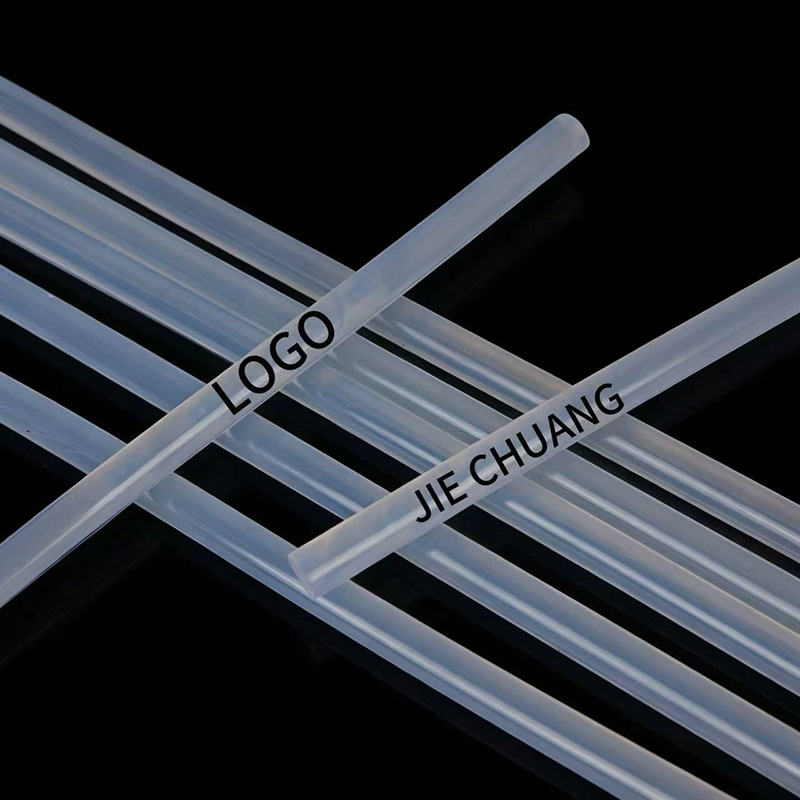
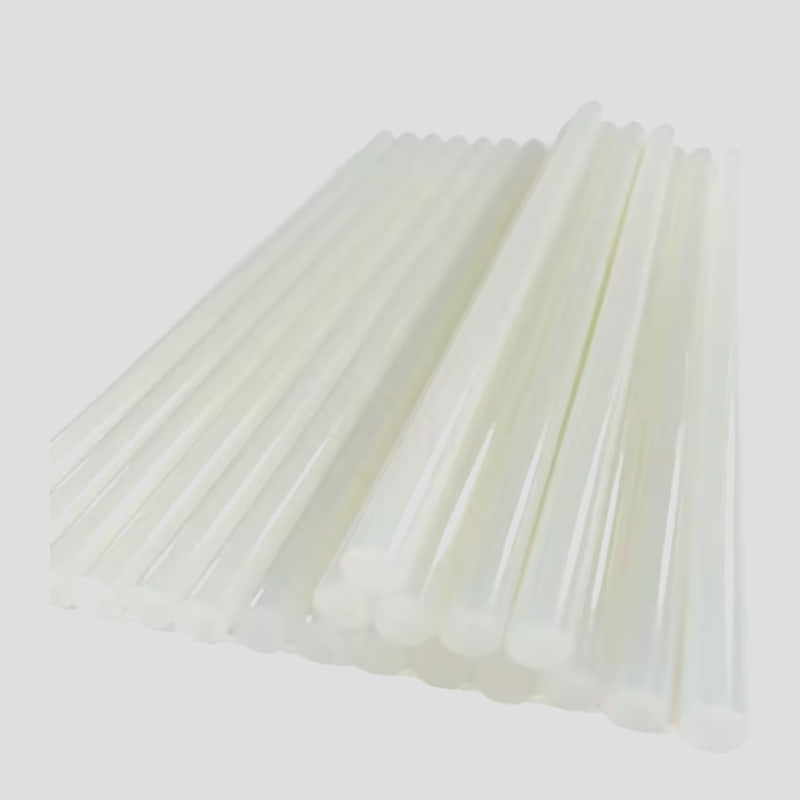
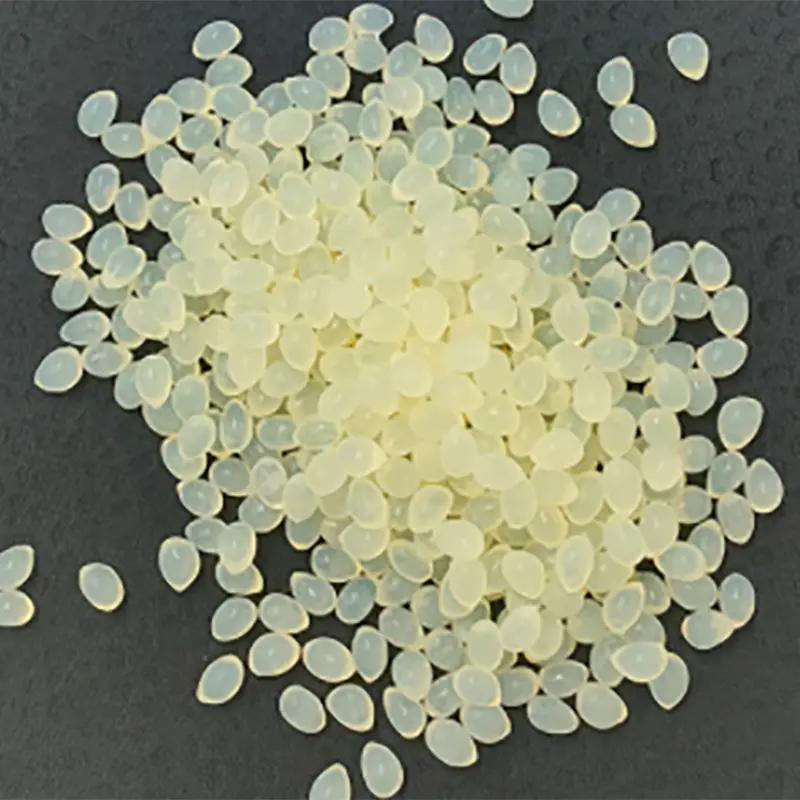
Among the most discussed materials in global supply chains is Granular Hot Melt Adhesive, which has gained strong attention across packaging, woodworking, and hygiene product industries. In today’s fast-paced industrial landscape, manufacturers are actively seeking bonding solutions that balance speed, strength, and sustainability.As procurement managers and engineers look for stable, cost-efficient, and scalable solutions, hot melt technologies are increasingly becoming a preferred alternative to traditional solvent-based adhesives.
Understanding the Evolution of Hot Melt Adhesives
Hot melt adhesives have evolved significantly over the past decade. Unlike solvent-based systems, they rely on thermoplastic polymers that melt when heated and solidify upon cooling, creating a fast and reliable bond. This characteristic aligns well with current manufacturing trends focused on automation and reduced downtime.
At Zhejiang Jiechuang New Materials Technology Co., Ltd., established in 2011, we have witnessed firsthand how global demand has shifted toward cleaner and more efficient adhesive systems. With a 4000m² production facility and a team of over 200 employees, our manufacturing capabilities are designed to meet the growing needs of international buyers seeking consistent product performance.
Key Application Scenarios Across Industries
Hot melt adhesives are no longer limited to simple packaging tasks. Today, they are widely applied in:
Packaging Industry: Carton sealing, labeling, and tray forming
- Furniture Manufacturing: Edge banding and panel lamination
- Hygiene Products: Diapers and sanitary product assembly
- Electronics Assembly: Component fixation and insulation
This versatility makes them highly attractive for buyers looking to streamline procurement across multiple product lines.
Material Composition and Performance Insights
The performance of hot melt adhesives largely depends on their formulation. Typical materials include EVA, polyolefin, or rubber-based compounds, each offering different bonding characteristics.
Key parameters buyers often evaluate include:
- Softening point: Determines heat resistance
- Open time: Affects application flexibility
- Viscosity level: Influences flow and penetration
- Adhesion strength: Ensures durability across substrates
Manufacturers like us focus on optimizing these parameters to meet specific application needs, whether for high-speed packaging lines or precision assembly processes.
Why High Viscosity Matters in Demanding Applications
In more complex industrial environments, adhesives must perform under pressure. High viscosity formulations are particularly valued for their ability to maintain bond integrity on uneven or porous surfaces.
Advantages include:
- Better gap filling capability
- Reduced dripping during application
- Enhanced bonding on difficult substrates
These features are especially relevant in woodworking and heavy-duty packaging, where consistency and reliability directly impact production outcomes.
Practical Usage Considerations for Buyers
To achieve optimal performance, proper handling and application are essential. Procurement teams and engineers should consider:
- Temperature control: Ensure consistent melting and application
- Storage conditions: Avoid moisture and contamination
- Equipment compatibility: Match adhesive type with dispensing systems
- Trial testing: Validate performance before large-scale adoption
These practical steps can help reduce operational risks and improve long-term efficiency.
Aligning with Sustainability and Industry Trends
Sustainability is no longer optional—it is becoming a procurement requirement. Hot melt adhesives support this shift by eliminating solvents and reducing emissions. Additionally, their efficient usage minimizes material waste, aligning with global ESG goals.
As a manufacturer, Zhejiang Jiechuang New Materials Technology Co., Ltd. continues to invest in cleaner production processes and advanced formulations that respond to both regulatory expectations and customer demands.
Choosing a Reliable Manufacturing Partner
For international buyers, selecting the right supplier goes beyond price. Factors such as production capacity, quality consistency, and technical support are equally critical. Zhejiang Jiechuang New Materials Technology Co., Ltd. with an annual production capacity reaching significant scale, our company is positioned to support both bulk orders and customized requirements.
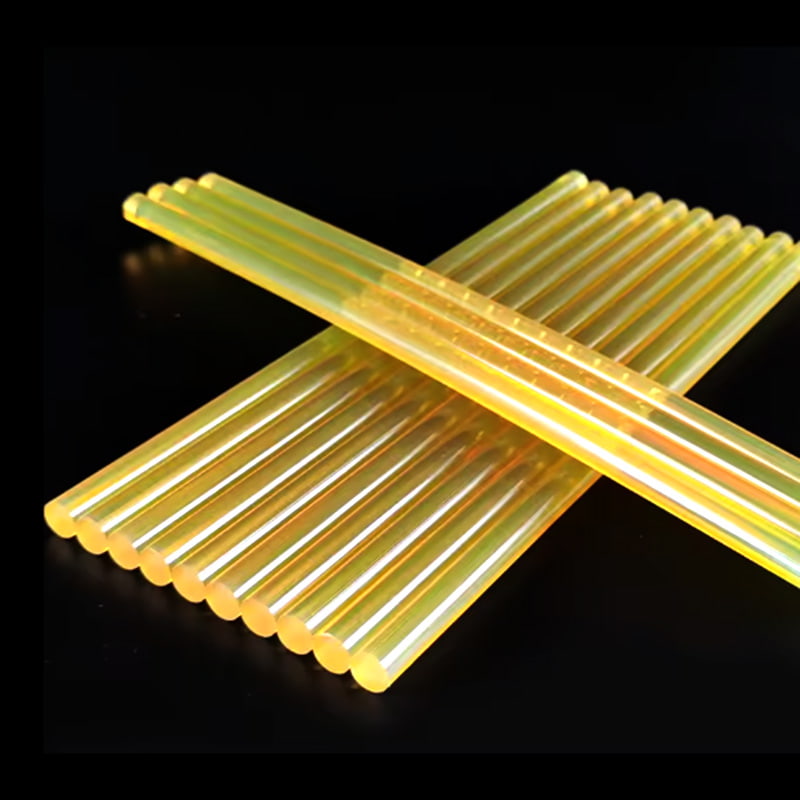
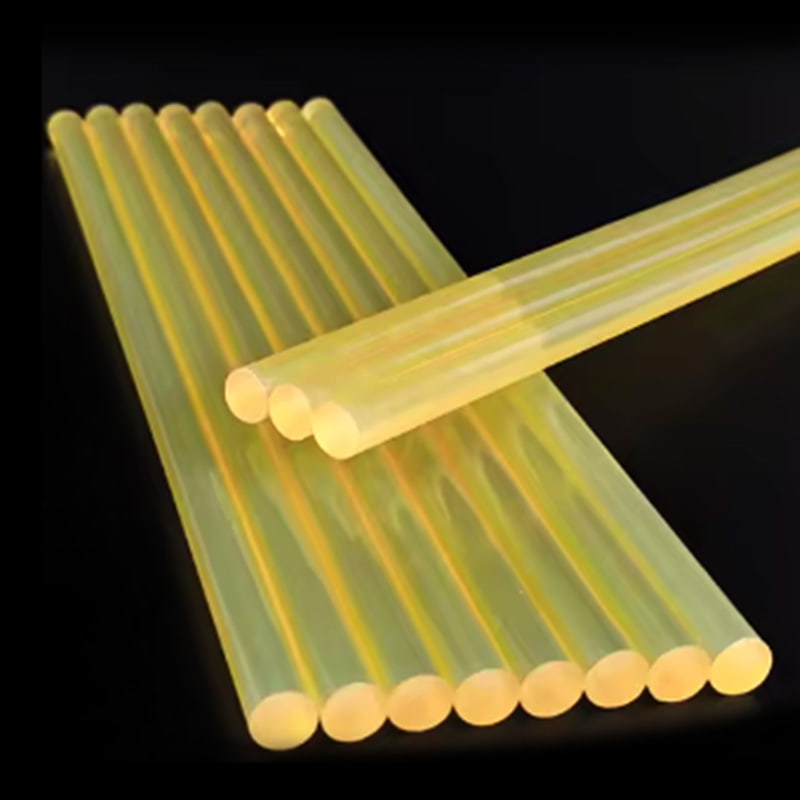
In conclusion, whether you are sourcing for packaging, furniture, or industrial assembly, High Viscosity Hot Melt Adhesive offers a dependable solution for modern manufacturing challenges—combining performance, adaptability, and efficiency in one material system.